


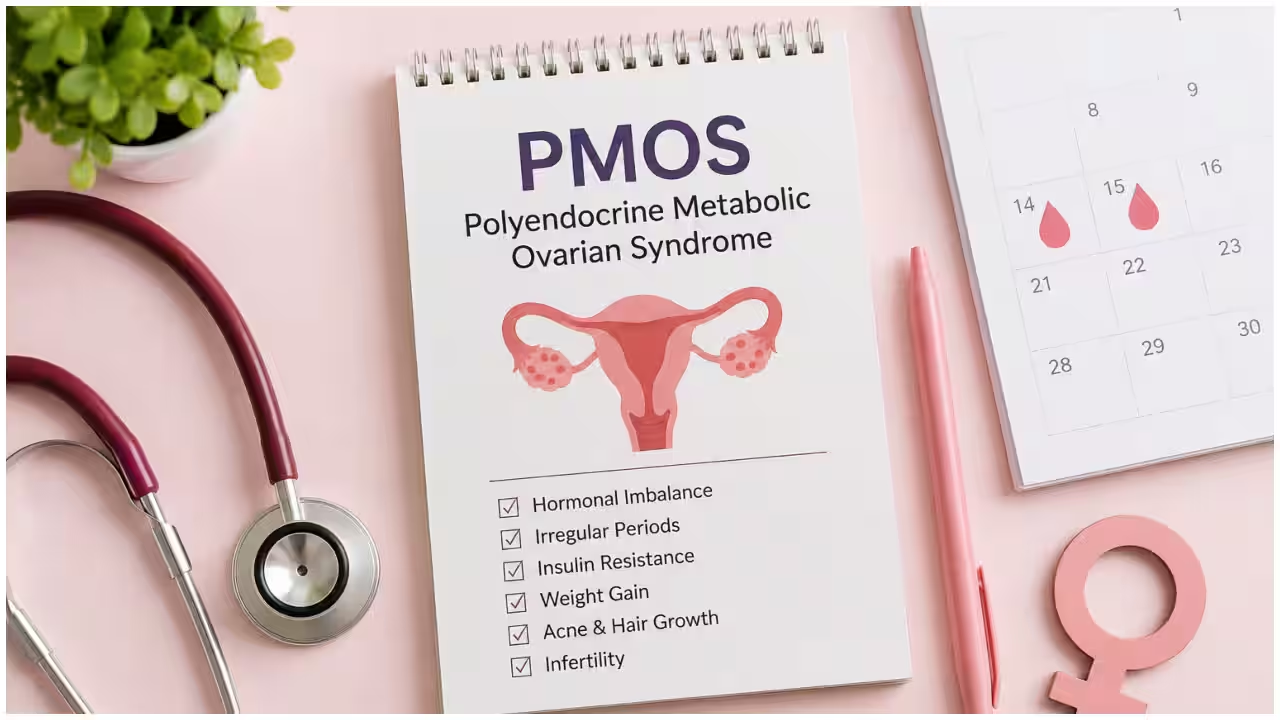
In a landmark development in women’s healthcare, global medical experts have officially renamed Polycystic Ovary Syndrome or PCOS to Polyendocrine Metabolic Ovarian Syndrome or PMOS. The decision comes after years of international research, patient feedback, and scientific discussions aimed at improving understanding of one of the world’s most common hormonal disorders affecting women.
The announcement was published in The Lancet and supported by more than 50 academic, clinical, and patient organizations worldwide. Health experts believe the old term PCOS was misleading because it focused heavily on ovarian cysts while ignoring the broader metabolic and hormonal complications linked with the condition.
Why PCOS Was Renamed to PMOS
The term Polycystic Ovary Syndrome has been debated for years because many women diagnosed with PCOS do not actually have ovarian cysts. In several cases, women without visible cysts still experience symptoms such as irregular periods, infertility, acne, excessive hair growth, obesity, insulin resistance, and mental health issues.
Medical researchers stated that the old name created confusion among patients and healthcare professionals. The new term PMOS better reflects the condition’s connection to endocrine dysfunction, metabolic disorders, reproductive complications, skin conditions, and psychological health.
The updated name highlights that the disorder affects the entire body rather than only the ovaries. Experts say this change can improve awareness, diagnosis, treatment planning, and future research.
What Does PMOS Mean
PMOS stands for Polyendocrine Metabolic Ovarian Syndrome.
Each word in the new name reflects a different aspect of the condition.
Polyendocrine refers to the involvement of multiple hormones and endocrine glands in the body.
Metabolic highlights the strong connection between the disorder and insulin resistance, obesity, diabetes, and cardiovascular risks.
Ovarian acknowledges that ovarian function and reproductive health remain important aspects of the condition.
Syndrome indicates that it involves a group of related symptoms rather than a single disease.
How Common Is PMOS
However, researchers believe millions of cases remain undiagnosed due to poor awareness and misleading diagnostic assumptions associated with the previous name.
Many women experience symptoms for years before receiving proper medical attention. Delayed diagnosis can increase the risk of infertility, type 2 diabetes, hypertension, depression, sleep disorders, and heart disease.
Common Symptoms of PMOS
Although the name has changed, the symptoms associated with the condition remain largely the same. Common symptoms include:
Irregular or missed menstrual periods
Weight gain and difficulty losing weight
Excess facial or body hair growth
Acne and oily skin
Hair thinning or hair loss
Difficulty becoming pregnant
Insulin resistance
Mood disorders including anxiety and depression
Fatigue and sleep disturbances
Women experiencing these symptoms should seek medical advice from an endocrinologist or gynecologist for proper evaluation and management.
Why the Name Change Matters for Women’s Health
Healthcare professionals say the renaming of PCOS to PMOS is more than just a cosmetic change. It represents a major shift in how the medical community understands and treats the condition.
For years, treatment focused mainly on reproductive symptoms such as irregular periods and infertility. However, researchers now recognize that metabolic dysfunction and hormonal imbalance are often central drivers of the disorder.
The new terminology encourages doctors to focus on the full-body impact of the condition, including:
Insulin resistance
Inflammation
Mental health complications
Cardiovascular disease risk
Long term metabolic health
This broader perspective may improve early diagnosis and encourage more personalized treatment strategies for patients.
Impact on Diagnosis and Treatment
According to experts, current diagnostic criteria may remain unchanged during the transition period, but future clinical guidelines are expected to evolve under the PMOS framework.
Treatment approaches may increasingly include:
Lifestyle modifications
Weight management
Blood sugar control
Hormonal therapy
Mental health support
Nutritional counseling
Fertility treatments when necessary
Doctors are also exploring newer therapies targeting insulin resistance and metabolic dysfunction rather than focusing solely on reproductive symptoms.
Social Media and Public Reactions
The renaming has generated strong reactions online. Many women living with the condition welcomed the decision, saying the old term caused years of misunderstanding and medical dismissal. Reddit discussions and patient communities highlighted frustration over delayed diagnoses due to the misconception that ovarian cysts were necessary for diagnosis.
At the same time, some patients stressed that changing the name alone is not enough. They are calling for better treatment access, increased research funding, and improved awareness among healthcare providers.
The Future of PMOS Research
Researchers believe the adoption of PMOS could open new opportunities in women’s health research. The updated name may help shift scientific focus toward metabolic and endocrine mechanisms behind the condition.
Medical organizations are expected to gradually update educational materials, disease classifications, and treatment guidelines worldwide over the next few years.
The renaming also highlights a broader movement toward improving women’s healthcare and addressing conditions that have historically been misunderstood or underdiagnosed.
Conclusion
The official transition from PCOS to PMOS marks a historic moment in women’s health and endocrine medicine. By recognizing the condition as a complex multisystem disorder rather than simply an ovarian issue, experts hope to improve diagnosis, treatment, patient understanding, and long term health outcomes.
- cardiovascular health
- diabetes risk
- endocrine disorder
- fertility issues
- hormonal disorder
- hormonal imbalance
- insulin resistance
- menstrual irregularities
- metabolic syndrome
- ovarian health
- pcos
- PCOS renamed
- pcos symptoms
- PMOS
- PMOS symptoms
- Polyendocrine Metabolic Ovarian Syndrome
- reproductive health
- women health
- women wellness













Leave a comment