



Pregnancy is often considered a window into a woman’s future health. According to experienced cardiologists, complications during pregnancy are not just short-term concerns but can signal long-term risks, particularly for heart disease. Women who experience issues like preeclampsia, gestational diabetes, or preterm delivery may face a significantly higher risk of developing cardiovascular disease later in life.
Understanding this connection is crucial for early prevention, timely diagnosis, and long-term heart health management.
Why Pregnancy Is a Critical Health Indicator
Pregnancy puts extra stress on a woman’s body, especially the heart and blood vessels. During this period, the body undergoes hormonal, metabolic, and cardiovascular changes. For some women, these changes reveal underlying health issues that may not have been detected earlier.
Cardiologists with decades of experience emphasize that pregnancy complications should be treated as early warning signs. Ignoring them may increase the likelihood of heart disease, stroke, and high blood pressure in the future.
Common Pregnancy Complications Linked to Heart Disease
Preeclampsia
Preeclampsia is a condition characterized by high blood pressure during pregnancy. Women who develop preeclampsia have a higher risk of hypertension and heart disease later in life. Studies suggest that the risk may double compared to women with normal pregnancies.
Gestational Diabetes
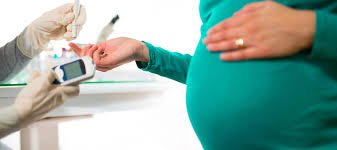
Gestational diabetes occurs when blood sugar levels rise during pregnancy. This condition not only increases the risk of type 2 diabetes but also contributes to cardiovascular disease. Women with a history of gestational diabetes should monitor their heart health regularly.
Preterm Birth
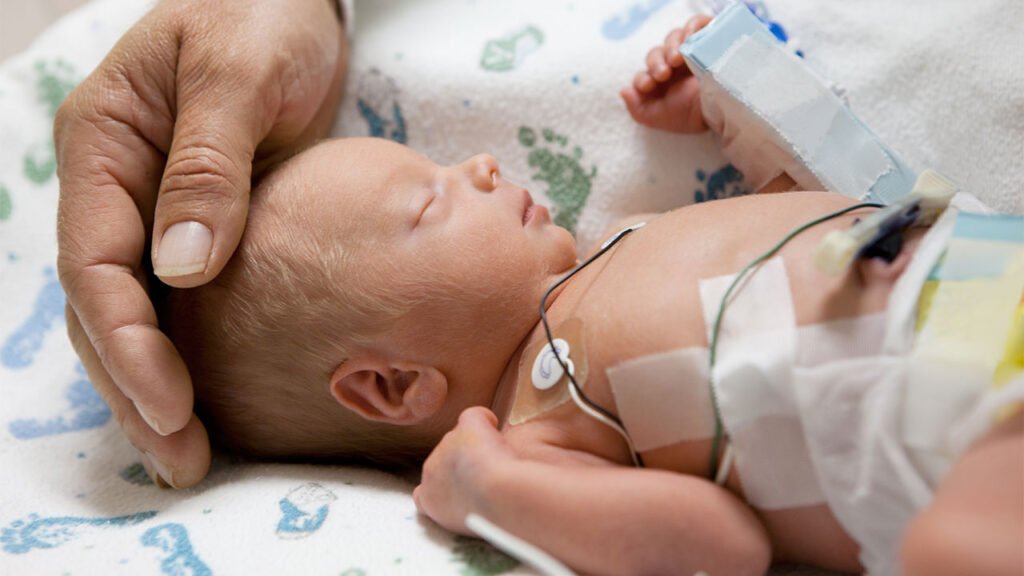
Delivering a baby before 37 weeks of pregnancy is associated with a higher risk of heart disease. The exact reason is not fully understood, but it may be linked to underlying inflammation or vascular issues.
Low Birth Weight

Women who give birth to babies with low birth weight may also face an increased risk of heart problems. This could indicate placental or blood flow issues that affect cardiovascular health.
Long Term Impact on Women’s Heart Health
The effects of pregnancy complications do not end after childbirth. Research shows that these conditions can lead to long-term damage to blood vessels and the heart. Over time, this damage may result in:
High blood pressure
Coronary artery disease
Heart failure
Stroke
Women may not experience symptoms immediately, which makes regular health checkups essential.
Importance of Early Screening and Monitoring
Cardiologists recommend that women with a history of pregnancy complications undergo regular heart screenings. This includes checking blood pressure, cholesterol levels, and blood sugar.
Early detection can help prevent serious complications. Women should inform their doctors about their pregnancy history, as it plays a key role in assessing cardiovascular risk.
Lifestyle Changes to Reduce Heart Disease Risk
Making healthy lifestyle choices can significantly lower the risk of heart disease, even for women with past pregnancy complications.
Maintain a Healthy Diet

A balanced diet rich in fruits, vegetables, whole grains, and lean proteins supports heart health. Reducing salt, sugar, and unhealthy fats is equally important.
Stay Physically Active

Regular exercise helps control weight, improve blood circulation, and strengthen the heart. Aim for at least 30 minutes of moderate activity most days of the week.
Manage Stress
Chronic stress can negatively impact heart health. Practicing relaxation techniques such as yoga, meditation, or deep breathing can be beneficial.
Avoid Smoking and Limit Alcohol
Smoking and excessive alcohol consumption increase the risk of cardiovascular disease. Avoiding these habits is crucial for long-term health.
Role of Postpartum Care in Preventing Heart Disease
Postpartum care is often overlooked, but it is a critical phase for monitoring a woman’s health. Women who experienced complications during pregnancy should have a structured follow-up plan.
Doctors may recommend lifestyle counseling, regular checkups, and, in some cases, medication to manage risk factors. Awareness and proactive care can make a significant difference.
When to Seek Medical Advice
Women should consult a doctor if they experience symptoms such as chest pain, shortness of breath, fatigue, or irregular heartbeat. Even mild symptoms should not be ignored, especially for those with a history of pregnancy complications.
Early intervention can prevent serious health issues and improve quality of life.
Final Thoughts
Pregnancy complications are more than temporary challenges. They can serve as early indicators of future heart disease risk in women. With proper awareness, regular monitoring, and healthy lifestyle choices, it is possible to reduce this risk significantly.











Leave a comment