


Climate change is no longer only an environmental issue. It has become one of the biggest global public health challenges of the modern era. Rising temperatures, extreme weather events, air pollution, food insecurity, water shortages, and the spread of infectious diseases are directly affecting human health across the world. Health experts and international organizations now warn that climate change is a serious health crisis that requires urgent action from governments, industries, healthcare systems, and individuals.
At the same time, experts believe that fighting climate change presents a major opportunity to improve global health. Cleaner air, healthier diets, sustainable cities, renewable energy, and stronger healthcare systems can help save millions of lives while protecting the planet for future generations.
As countries continue to experience record heatwaves, floods, droughts, wildfires, and rising sea levels, the connection between climate change and public health is becoming impossible to ignore. According to the World Health Organization, climate change is expected to cause approximately 250,000 additional deaths each year between 2030 and 2050 due to malnutrition, malaria, heat stress, and other environmental health risks.
How Climate Change Affects Human Health
Climate change affects health in many different ways. Some impacts are immediate, while others develop gradually over time. Scientists say that rising global temperatures are increasing the frequency and intensity of natural disasters, leading to severe physical and mental health consequences.
Heat Related Illnesses
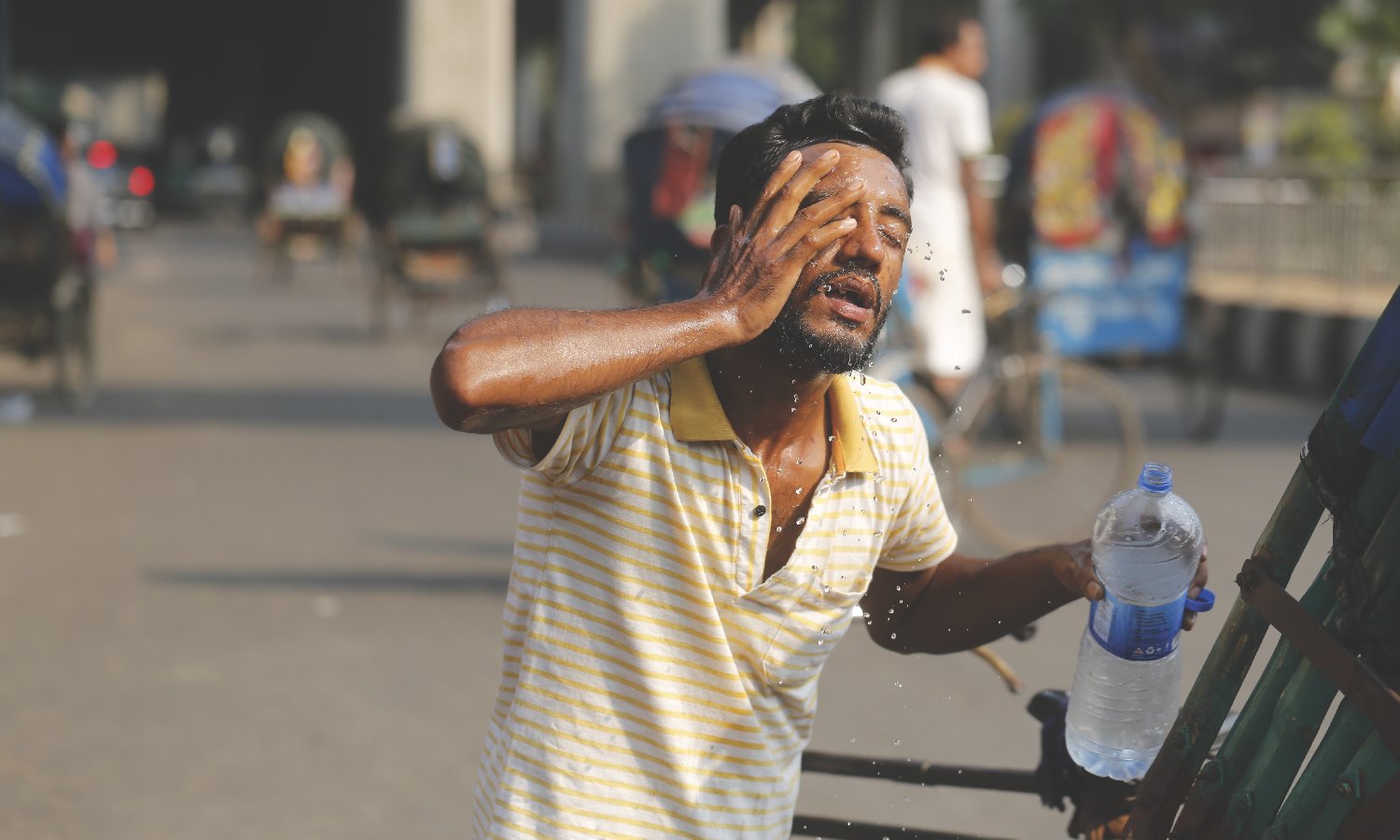
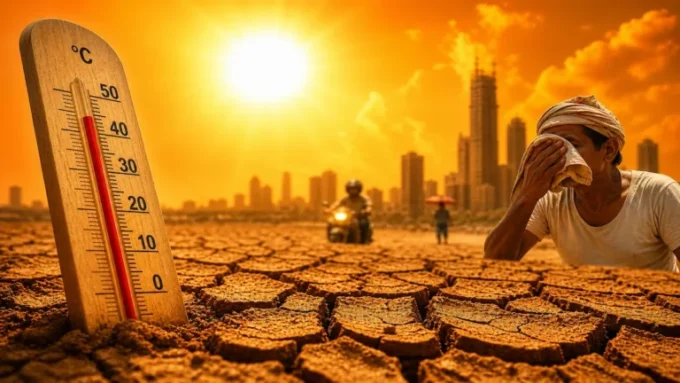
Extreme heat is one of the deadliest effects of climate change. Heatwaves are becoming more common in many countries, especially in urban areas where concrete buildings and traffic trap heat. High temperatures can cause dehydration, heat exhaustion, heatstroke, kidney problems, and cardiovascular complications.
Older adults, children, outdoor workers, and people with chronic illnesses are particularly vulnerable to heat related diseases. Hospitals around the world are already reporting an increase in emergency cases during extreme weather conditions.
Air Pollution and Respiratory Diseases
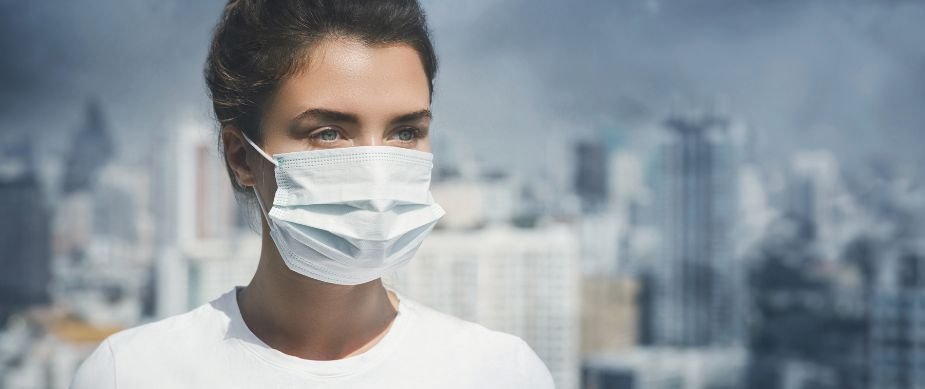
Climate change worsens air quality by increasing pollutants such as ground level ozone, wildfire smoke, and fine particulate matter. Poor air quality can trigger asthma, chronic obstructive pulmonary disease, lung infections, and heart disease.
Air pollution is now considered one of the leading environmental causes of death globally. Health experts say that reducing fossil fuel use and shifting to clean energy sources could significantly reduce respiratory illnesses and improve public health outcomes.
Spread of Infectious Diseases
Changing weather patterns are also expanding the spread of infectious diseases. Warmer temperatures and heavy rainfall create favorable conditions for mosquitoes and other disease carrying insects. Diseases such as malaria, dengue fever, chikungunya, and Lyme disease are spreading into new regions where they were previously uncommon.
Flooding and poor sanitation caused by extreme weather can also increase outbreaks of waterborne diseases like cholera and diarrhea.
Food and Water Insecurity

Climate change is damaging agriculture through droughts, floods, and unpredictable rainfall patterns. Reduced crop production and rising food prices increase the risk of malnutrition, especially in low income countries.
Water shortages caused by climate related disasters are also threatening millions of people worldwide. Lack of clean drinking water can lead to serious health problems including dehydration, infections, and poor hygiene related diseases.
Mental Health Impact
Climate disasters can have long lasting psychological effects. People who lose homes, jobs, or loved ones during floods, wildfires, storms, or droughts often experience anxiety, depression, post traumatic stress disorder, and emotional trauma.
Young people are also increasingly reporting climate anxiety because of concerns about the future of the planet and public health.
Why Climate Change Is a Global Health Emergency
Medical experts describe climate change as a global health emergency because it threatens nearly every aspect of human well being. From clean air and safe water to food security and disease prevention, climate related disruptions affect both developed and developing nations.
Healthcare systems are facing growing pressure as climate disasters increase hospital admissions, emergency responses, and disease outbreaks. Vulnerable populations such as children, elderly individuals, pregnant women, and low income communities face the greatest risks.
Public health researchers warn that without immediate climate action, the world could experience more severe health crises in the coming decades.
Fixing Climate Change Can Improve Public Health
Despite the risks, experts say that climate action can create one of the greatest public health opportunities in history. Policies that reduce greenhouse gas emissions often produce immediate health benefits.
Cleaner Energy Means Cleaner Air
Transitioning from coal, oil, and gas to renewable energy sources such as solar and wind power can dramatically reduce air pollution. Cleaner air can lower the rates of asthma, lung disease, heart attacks, and premature deaths.
Studies show that reducing fossil fuel emissions could save millions of lives each year while also slowing global warming.
Sustainable Transport Encourages Physical Activity
Promoting cycling, walking, and public transportation reduces vehicle pollution while encouraging healthier lifestyles. Increased physical activity can help lower obesity, diabetes, heart disease, and hypertension rates.
Cities designed with green spaces and safe public transport systems also improve mental health and overall quality of life.
Healthy Diets Benefit Both People and the Planet
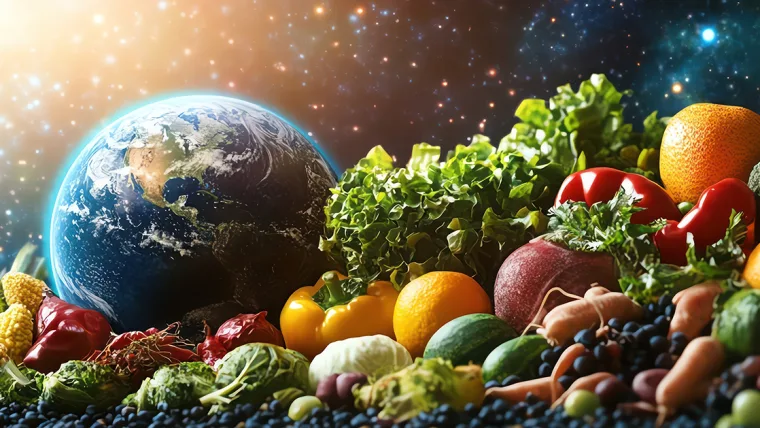
Climate friendly diets that include more fruits, vegetables, and plant based foods can reduce greenhouse gas emissions from food production. At the same time, healthier diets help lower the risk of obesity, diabetes, cancer, and cardiovascular disease.
Experts recommend reducing processed foods and excessive red meat consumption to improve both environmental sustainability and personal health.
Stronger Healthcare Systems
Investing in climate resilient healthcare systems can improve emergency preparedness and disease response. Hospitals and healthcare facilities need better infrastructure to handle heatwaves, floods, disease outbreaks, and other climate related emergencies.
Public health education and awareness campaigns are also essential for helping communities adapt to climate challenges.
Global Efforts to Address Climate Change and Health
Countries around the world are increasingly recognizing the connection between climate change and health. International organizations including the World Health Organization and the United Nations are urging governments to place public health at the center of climate policies.
Global climate conferences continue to focus on reducing carbon emissions, expanding renewable energy, and strengthening healthcare systems. Many experts believe that cooperation between nations is essential to prevent future environmental and health disasters.
Healthcare professionals are also becoming strong advocates for climate action because they witness the direct impact of environmental changes on patients and communities.
Conclusion
Climate change is one of the most serious health threats facing humanity today. Rising temperatures, air pollution, food insecurity, infectious diseases, and extreme weather events are already affecting millions of people worldwide. Without urgent action, these health risks are expected to increase significantly in the future.











Leave a comment