


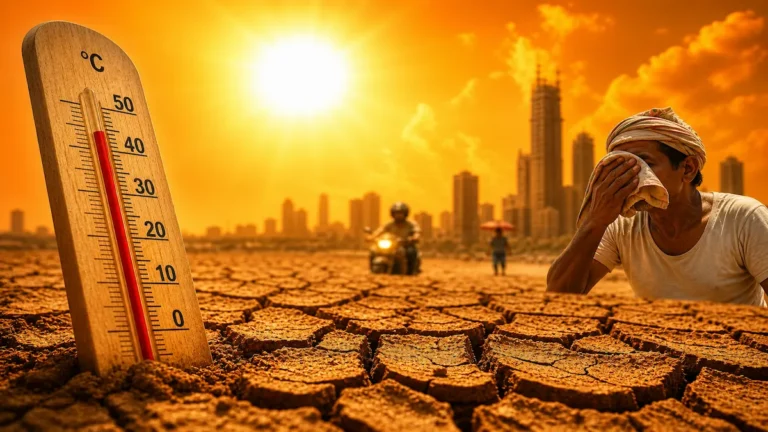
Extreme heatwaves are becoming one of the biggest public health threats worldwide as climate change continues to raise global temperatures. Scientists and health experts warn that rising temperatures are no longer just an environmental issue but a major health emergency affecting millions of people across the globe. According to the World Health Organization, heatwaves are now increasing in frequency, duration, and intensity, causing serious risks to human health and healthcare systems.
In recent years, several countries including India, Pakistan, Europe, and the United States have recorded dangerous temperatures crossing historical limits. Experts say these extreme weather events are directly linked to climate change and urbanization, making heatwaves deadlier than ever before.
What Are Heatwaves
A heatwave is a prolonged period of extremely high temperatures that remains significantly above normal weather conditions for a particular region. Heatwaves can last for several days or even weeks and often become more dangerous when combined with high humidity.
The World Health Organization states that heatwaves are among the deadliest natural hazards globally. Unlike floods or storms, heat related deaths are often underreported because many fatalities occur due to complications from existing medical conditions worsened by extreme temperatures.
How Climate Change Is Increasing Heatwaves
Climate scientists say human induced climate change is the primary reason behind the rising frequency of extreme heat events. Greenhouse gas emissions from fossil fuels trap heat in the atmosphere, causing global temperatures to rise steadily.
Research shows that many recent heatwaves would have been far less severe without climate change. Several studies also indicate that the number of people exposed to dangerous heat conditions has increased dramatically over the past two decades.
A recent climate report warned that extreme heat events are becoming the new normal in many regions of the world. Cities are especially vulnerable due to the urban heat island effect, where concrete structures and limited greenery trap heat and increase local temperatures.
Major Health Impacts of Extreme Heatwaves
Extreme heat can affect nearly every organ in the human body. Health experts say prolonged exposure to high temperatures can quickly become life threatening, especially for vulnerable populations.
Heat Exhaustion and Heatstroke
Heat exhaustion occurs when the body loses excessive water and salt through sweating. Symptoms include dizziness, weakness, headache, nausea, and muscle cramps.
If untreated, heat exhaustion can progress into heatstroke, which is a medical emergency. Heatstroke occurs when the body can no longer regulate its internal temperature. Symptoms include confusion, rapid heartbeat, unconsciousness, and extremely high body temperature. According to the WHO, heatstroke has a very high fatality rate if immediate treatment is not provided.
Cardiovascular and Respiratory Problems
Extreme heat places additional stress on the heart and lungs. People with cardiovascular disease, asthma, diabetes, and respiratory disorders are at greater risk during heatwaves.
High temperatures can increase dehydration and thicken the blood, raising the chances of heart attacks and strokes. Air pollution also worsens during heatwaves, making breathing difficult for people with lung diseases.
Mental Health Effects
Heatwaves can also negatively affect mental health. Studies show that prolonged heat exposure may increase anxiety, stress, irritability, sleep disturbances, and depression.
Healthcare professionals report that mental fatigue and emotional stress often rise during periods of extreme heat, especially among elderly individuals and low income communities with limited access to cooling facilities.
Children and Elderly Face Highest Risk
Older adults and young children are among the most vulnerable groups during heatwaves. Elderly people often have reduced ability to regulate body temperature and may suffer from chronic illnesses that worsen in hot conditions.
Children can become dehydrated more quickly because their bodies heat up faster than adults. The WHO reports that heat related mortality among people over 65 has increased significantly over the last two decades.
Recent scientific findings also suggest that some heatwaves are now reaching potentially non survivable levels for older adults in certain regions.
Heatwaves in India and South Asia
India and neighboring South Asian countries are experiencing some of the world’s most dangerous heatwaves. Cities across India and Pakistan have reported temperatures above 45 degrees Celsius during recent summers.
A recent study on Indian cities warned that heat related mortality may rise sharply in the coming decades if greenhouse gas emissions continue at current levels. Urban regions with high population density are expected to face the highest risk.
Karachi recently experienced record breaking heat conditions that overwhelmed hospitals and disrupted daily life. Health officials reported a surge in dehydration, stomach infections, and heat related illnesses among children and elderly citizens.
Economic and Healthcare Burden
Extreme heatwaves not only affect public health but also place heavy pressure on healthcare systems and economies.
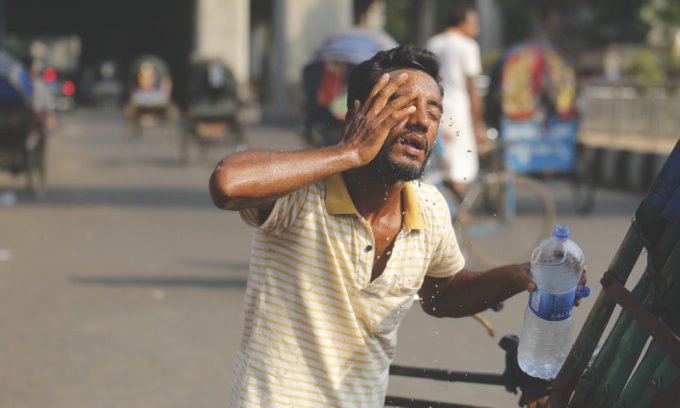
Hospitals often face increased emergency admissions during severe heat events. Heatwaves can also cause power outages, water shortages, reduced labor productivity, and disruptions in transportation systems. Outdoor workers such as construction laborers, farmers, and delivery workers are particularly vulnerable to heat stress.
Experts warn that without stronger climate adaptation measures, heat related deaths and healthcare costs could continue rising in the future.
How to Protect Yourself During Heatwaves
Health experts recommend several preventive measures to reduce heat related illnesses:
Drink plenty of water throughout the day
Avoid outdoor activities during peak afternoon hours
Wear lightweight and loose clothing
Use fans or air conditioning whenever possible
Stay in shaded or cool environments
Check regularly on elderly family members and children
Avoid alcohol and excessive caffeine during hot weather
Seek immediate medical help if symptoms of heatstroke appear
Governments and local authorities are also encouraged to improve heat warning systems, expand cooling centers, and strengthen public health preparedness during extreme weather events.
Conclusion
Extreme heatwaves are rapidly becoming one of the most serious consequences of climate change and a growing threat to global public health. Rising temperatures are increasing the risk of heatstroke, heart disease, respiratory illness, dehydration, and mental health disorders across all age groups.
- cardiovascular disease
- climate change
- climate health risks
- dehydration
- environmental health
- Extreme heatwaves
- extreme temperatures
- global health
- global warming
- heat exhaustion
- heat related illness
- heatstroke
- heatwave symptoms
- heatwaves and health
- public health crisis
- rising temperatures
- summer health tips
- urban heat island
- WHO heatwave report












Leave a comment