


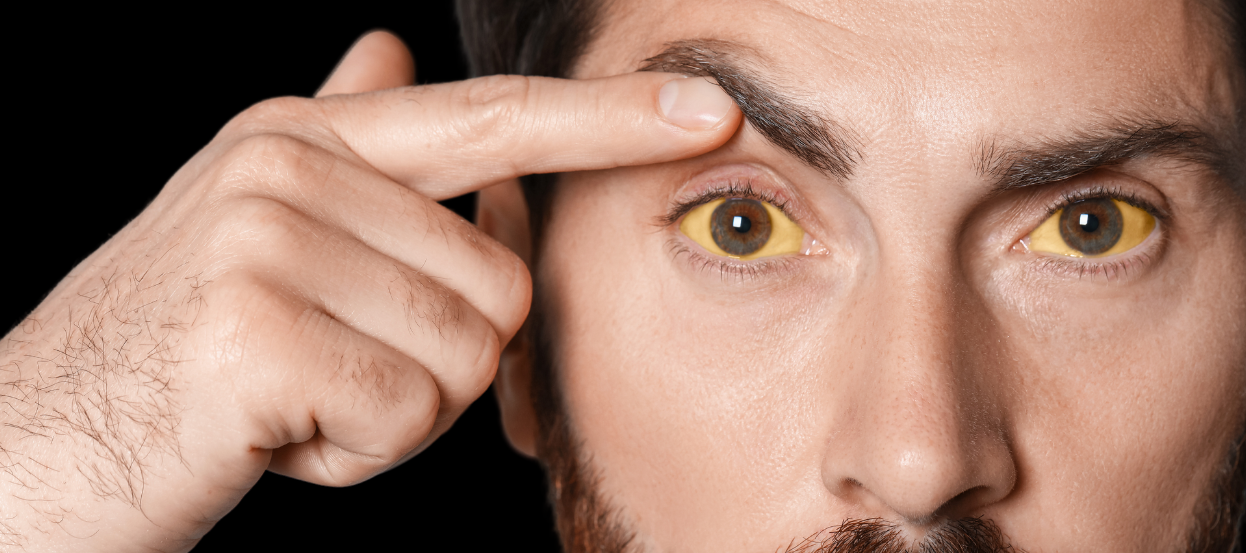
Jaundice is a common health condition that affects people of all ages and is often a sign of an underlying liver problem. It is characterized by a yellowish discoloration of the skin, eyes, and mucous membranes. This happens due to an increased level of bilirubin in the blood, a yellow pigment formed when red blood cells break down.
Understanding jaundice, its causes, symptoms, and treatment is essential for maintaining good liver health and preventing complications.
What is Jaundice
Jaundice is not a disease itself but a symptom indicating that something is wrong with the liver, bile ducts, or blood. The liver plays a key role in filtering bilirubin from the bloodstream. When the liver cannot process bilirubin effectively, it accumulates in the body and leads to jaundice.
This condition can occur in adults, children, and even newborn babies, though the causes may vary.
Types of Jaundice
Jaundice can be classified into three main types based on its cause:
Pre hepatic jaundice
This occurs due to excessive breakdown of red blood cells, leading to increased bilirubin production.
Hepatic jaundice
This type is caused by liver damage or diseases such as hepatitis or cirrhosis.
Post hepatic jaundice
This happens when there is a blockage in the bile ducts, preventing bilirubin from being excreted properly.
Causes of Jaundice
There are several reasons why jaundice may develop. Some of the most common causes include:
Liver diseases such as hepatitis and cirrhosis
Excessive alcohol consumption damaging liver cells
Blockage of bile ducts due to gallstones or tumors
Hemolytic anemia causing rapid breakdown of red blood cells
Infections affecting liver function
Certain medications and genetic disorders
All these conditions interfere with the normal processing of bilirubin in the causes may vary.
Symptoms of Jaundice
The symptoms of jaundice can vary depending on the underlying cause. Common signs include:
Yellowing of the skin and eyes
Dark colored urine
Pale or clay colored stools
Fatigue and weakness
Abdominal pain
Fever and nausea
Loss of appetite
In some cases, itching and weight loss may also occur. These symptoms should not be ignored, and medical advice should be sought immediately.
Diagnosis of Jaundice
Doctors usually diagnose jaundice through physical examination and laboratory tests. These may include:
Blood tests to measure bilirubin levels
Liver function tests
Ultrasound or CT scan to detect blockages
Urine tests
Proper diagnosis helps in identifying the exact cause and planning effective treatment.
Treatment of Jaundice
The treatment of jaundice depends on its underlying cause. Since jaundice is a symptom, treating the root condition is essential.
For liver infections like hepatitis, medications and rest are recommended
In cases of bile duct obstruction, surgery may be required
If caused by anemia, iron supplements or treatment of blood disorders may help
Avoiding alcohol and maintaining a healthy lifestyle supports liver recovery
The liver has a remarkable ability to heal itself if proper care is taken.
Diet for Jaundice Recovery
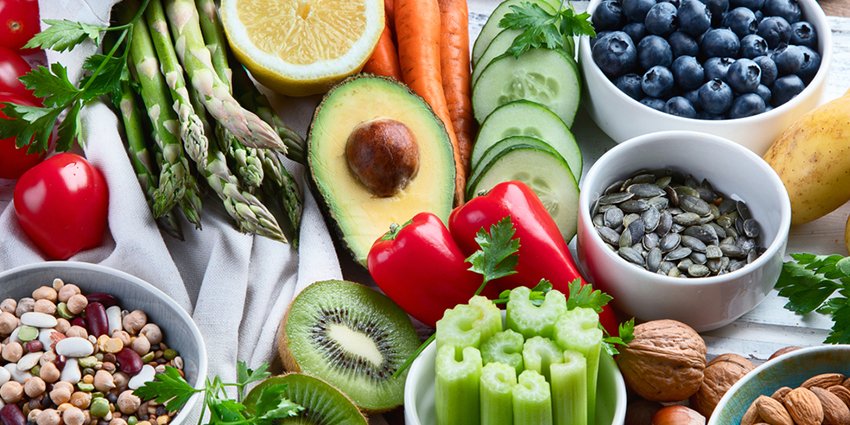
Diet plays a crucial role in recovering from jaundice and improving liver function. A healthy diet can help reduce stress on the liver and promote healing.
Foods to Eat
Fresh fruits such as apples, papaya, and berries
Green vegetables like spinach, broccoli, and carrots
Whole grains including brown rice and oats
Lean protein sources such as dal, tofu, and boiled chicken
Plenty of water to flush out toxins
Fiber rich foods are especially beneficial as they help remove bilirubin from the body and support digestion.
Foods to Avoid
Oily and fried foods
Processed and junk food
High sugar foods and beverages
Alcohol and smoking
Excess salt intake
Avoiding these foods helps prevent additional stress on the liver and speeds up recovery.
Prevention Tips for Jaundice
While not all cases of jaundice can be prevented, certain lifestyle changes can reduce the risk:
Maintain proper hygiene to prevent infections
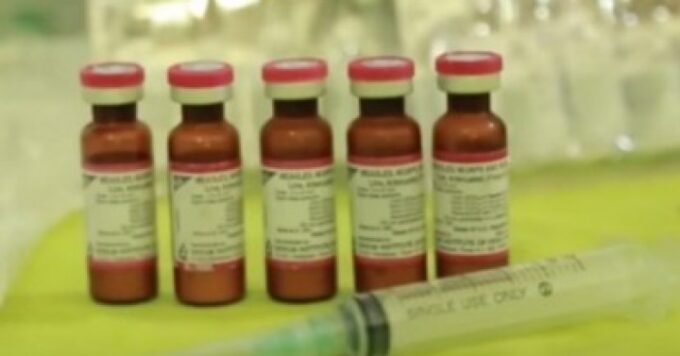
Get vaccinated for hepatitis
Avoid excessive alcohol consumption
Eat a balanced and nutritious diet
Stay hydrated
Avoid sharing needles or personal items
Taking these precautions can significantly improve liver health and reduce the chances of developing jaundice.
When to See a Doctor
Jaundice can sometimes indicate a serious medical condition. You should consult a doctor if:
Yellowing of skin or eyes appears suddenly
Symptoms worsen over time
There is severe abdominal pain or fever
You experience persistent fatigue or vomiting
Early diagnosis and treatment can prevent complications and ensure faster recovery.
Conclusion
Jaundice is a warning sign that should never be ignored. It reflects an underlying issue related to the liver or blood and requires timely attention. With proper diagnosis, treatment, and a healthy diet, most cases of jaundice can be managed effectivel






Leave a comment