



The measles outbreak has spread rapidly across the country, affecting most districts. According to health data, the virus has reached over 58 districts, showing widespread community transmission.
Between March and April 2026, more than 19,000 suspected cases and thousands of confirmed infections were reported. At least 166 suspected deaths have been recorded, with the majority occurring in young children.
More recent updates suggest the situation has worsened, with over 300 child deaths and more than 50,000 cases reported, highlighting the severity of the crisis.
Why Are Child Deaths Increasing

The rising number of deaths in this outbreak is linked to several critical factors.
Low vaccination coverage
Many children affected by the outbreak were either unvaccinated or under vaccinated. Immunity gaps have made them highly vulnerable to infection.
Delayed immunization campaigns
A planned measles rubella vaccination drive in 2024 was delayed due to political instability, leaving millions of children without protection.
Weak healthcare infrastructure
Hospitals in affected regions are overwhelmed, with limited access to oxygen, intensive care, and trained staff, making it difficult to manage severe cases effectively.
High population density
Crowded living conditions, especially in urban slums, have accelerated the spread of the virus among children.
What Is Measles and How It Spreads

Measles is a highly contagious viral infection caused by the measles virus. It spreads through respiratory droplets when an infected person coughs or sneezes.
The virus can remain active in the air and on surfaces, making it easy to infect others, especially in crowded environments. Unvaccinated individuals are at the highest risk.
Children are particularly vulnerable, especially those under five years of age or those with weak immune systems.
Symptoms of Measles Infection
Measles symptoms usually appear 10 to 14 days after exposure to the virus. Early symptoms often resemble a common cold, which can delay diagnosis.
Common symptoms include
High fever
Runny nose
Cough
Red or watery eyes
White spots inside the mouth
As the disease progresses, a red rash develops, typically starting on the face and spreading across the body.
Severe complications may include
Pneumonia
Diarrhea
Brain inflammation
Death in extreme cases
Young children are at the highest risk of complications and mortality.
Impact on Children and Public Health
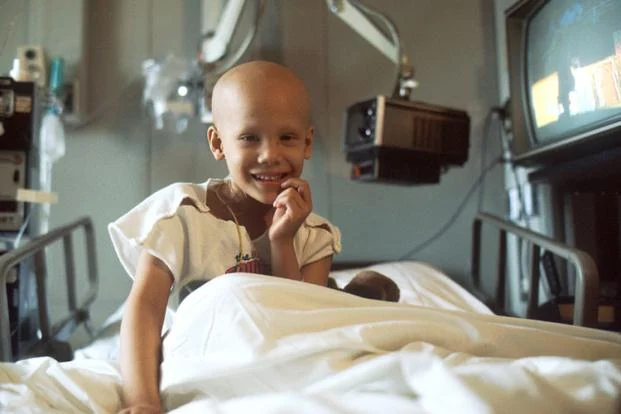
The current outbreak has placed immense pressure on Bangladesh’s healthcare system. Hospitals are filled with infected children, and doctors are struggling to manage the surge in cases.
The majority of deaths have been reported among children aged between six months and five years.
Infants under nine months are especially vulnerable because they are often too young to receive routine vaccination, leaving them unprotected.
This outbreak highlights the importance of maintaining strong immunization programs and healthcare systems to prevent such crises.
Emergency Response and Vaccination Efforts
In response to the outbreak, the Bangladesh government, along with international organizations, has launched emergency vaccination campaigns.
A nationwide measles rubella immunization drive began in April 2026, targeting millions of children. Millions have already been vaccinated as part of the effort to control the outbreak.
Health authorities are also focusing on
Improving surveillance and case detection
Providing hospital care for severe cases
Raising awareness about vaccination
Despite these efforts, experts warn that achieving herd immunity requires at least 95 percent vaccination coverage.
Prevention of Measles Infection
Measles is preventable through vaccination, making immunization the most effective defense against the disease.
Key preventive measures include
Ensuring children receive both doses of the measles vaccine
Avoiding contact with infected individuals
Maintaining hygiene and cleanliness
Seeking immediate medical care if symptoms appear
Vaccination not only protects individuals but also helps prevent community spread.
Global Concern and Lessons Learned
The Bangladesh measles outbreak reflects a growing global concern. Many countries are witnessing a resurgence of measles due to declining vaccination rates.
Experts emphasize that even temporary disruptions in immunization programs can lead to serious outbreaks, especially in densely populated regions.
The current crisis serves as a reminder of the importance of sustained public health efforts, strong vaccination systems, and timely intervention.
Conclusion
The rising child deaths in the Bangladesh measles outbreak highlight the devastating impact of vaccine preventable diseases. With thousands of cases and hundreds of fatalities, the outbreak underscores the urgent need for widespread immunization and improved healthcare systems.











Leave a comment