


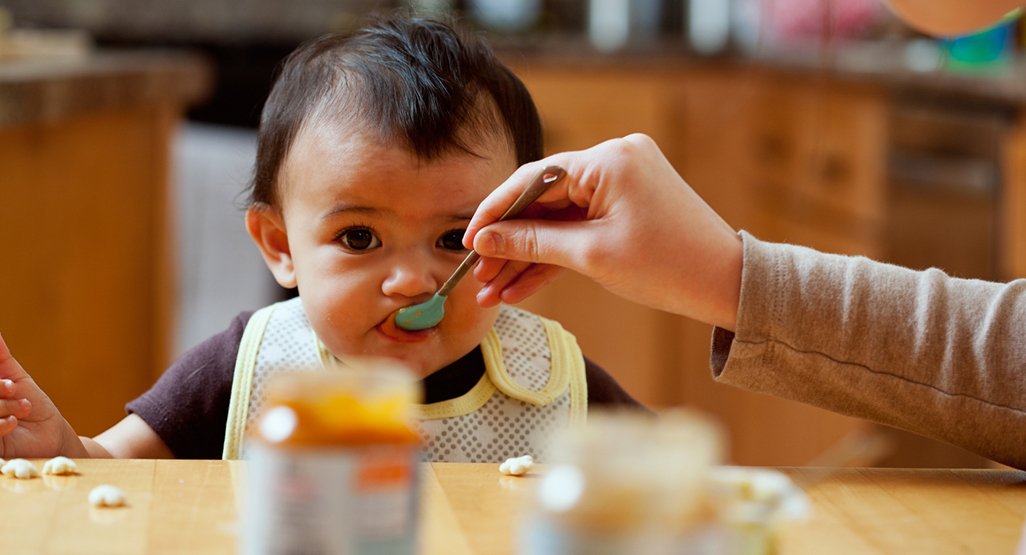
Feeding a baby during their first year is one of the most important aspects of early childhood care. While breast milk or formula remains the primary source of nutrition for infants, the gradual introduction of solid foods requires careful attention to safety and nutritional value.
Planning your baby’s diet during the first year is one of the most important responsibilities for parents. This phase lays the foundation for lifelong health, growth, and development. While introducing solid foods is exciting, it is equally important to know which foods should be avoided to prevent health risks. Nutrition experts emphasize that a baby’s digestive system is still developing, making certain foods unsafe during the first year.
Understanding what not to feed your baby can help reduce the risk of infections, allergies, choking hazards, and long-term health issues. Here is a complete guide based on expert recommendations.
Why Food Restrictions Matter in the First Year
During the first year, babies rely on breast milk or formula as their primary source of nutrition. Solid foods are introduced gradually, usually around six months. However, not all foods are suitable at this stage because a baby’s kidneys, immune system, and digestive system are still immature.
Certain foods can cause serious health complications such as food poisoning, choking, or nutrient imbalance. According to health experts, avoiding risky foods ensures proper growth and reduces the chances of early health problems.
Foods That Should Be Avoided in the First Year
1. Honey
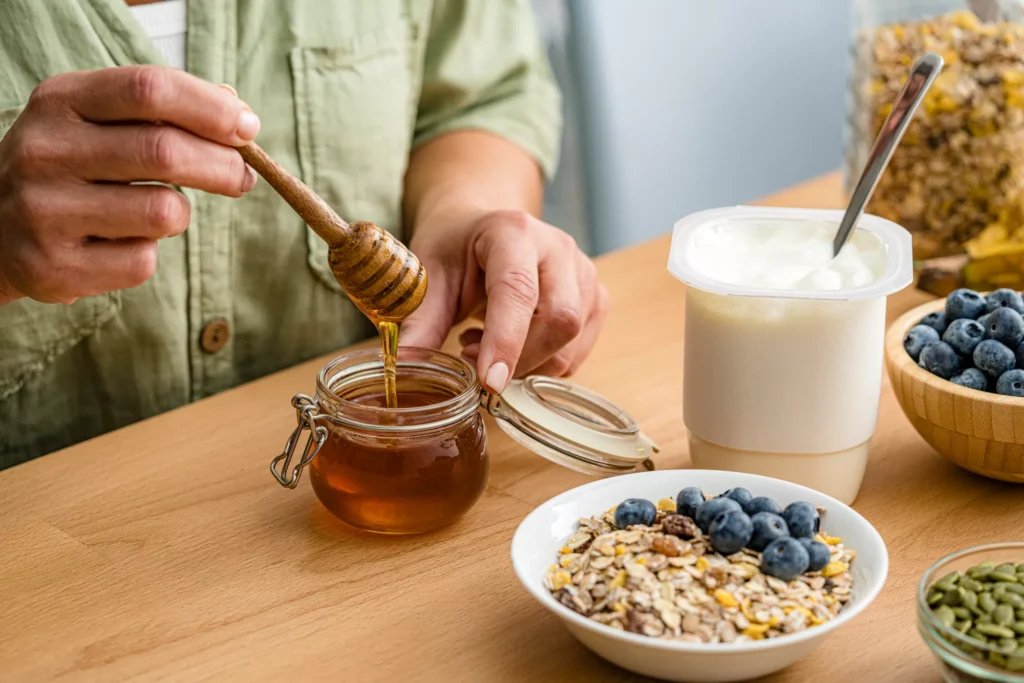
Honey is one of the most important foods to avoid during the first year. It may contain spores that can cause infant botulism, a rare but serious form of food poisoning.
Even small amounts of honey can be harmful, so it should not be added to baby food, milk, or pacifiers.
2. Cow’s Milk as a Primary Drink
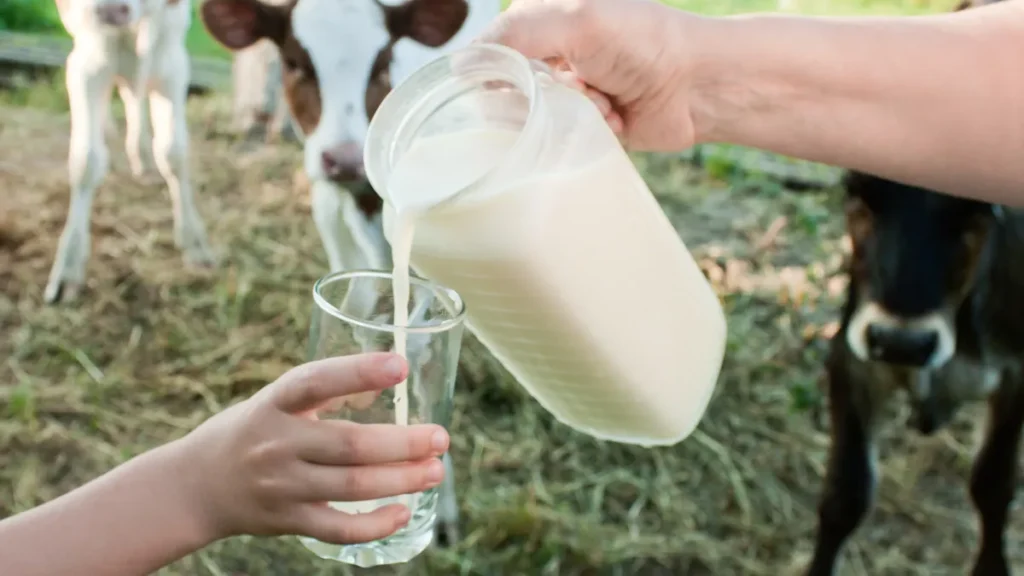
Cow’s milk should not replace breast milk or formula before the age of one. It lacks essential nutrients needed for infant growth and can be difficult for a baby’s kidneys to process.
Small amounts in food may be acceptable after six months, but it should not be used as a main drink.
3. Foods High in Salt
Babies’ kidneys are not mature enough to handle excess sodium. High salt intake can strain their kidneys and lead to health issues.
Avoid processed foods like chips, packaged snacks, ready meals, and processed meats such as sausages and bacon.
4. Sugary Foods and Drinks

Added sugar provides no nutritional value and can lead to tooth decay and unhealthy eating habits later in life.
Foods such as candies, cakes, biscuits, flavored yogurts, and sugary drinks should be avoided.
5. Unpasteurized Foods
Unpasteurized milk, juices, and dairy products can contain harmful bacteria that may cause severe infections in babies.
Always choose pasteurized products to ensure food safety.
6. Raw or Undercooked Foods
Raw eggs, meat, fish, and sprouts can carry harmful bacteria such as Salmonella and E. coli.
Babies should only be given properly cooked foods to reduce the risk of infection.
7. High Mercury Fish
Fish is generally healthy, but certain types like shark, swordfish, and king mackerel contain high levels of mercury.
Excess mercury exposure can affect brain development, so these should be avoided.
8. Fruit Juice and Sugary Beverages
Babies under 12 months should not be given fruit juice or sweetened beverages. These drinks contain high sugar levels and offer little nutritional benefit.
Whole fruits are a healthier alternative.
9. Caffeinated Drinks

Drinks containing caffeine such as tea, coffee, and soft drinks should not be given to babies. These can interfere with sleep and affect development.
10. Choking Hazard Foods
Certain foods can pose a choking risk due to their size, shape, or texture. These include whole nuts, popcorn, hard candies, whole grapes, and chunks of raw vegetables.
Foods should always be soft, mashed, or cut into small pieces.
Additional Foods to Limit or Avoid
Apart from the major categories, nutritionists also recommend avoiding processed meats, packaged snacks, and foods with artificial sweeteners. These items are often high in salt, sugar, and preservatives, which are not suitable for infants.
Tips for Safe Feeding in the First Year
To ensure your baby receives proper nutrition, follow these expert tips:
Start solids gradually after six months
Introduce one food at a time to check for allergies
Avoid adding salt, sugar, or artificial flavors
Focus on fresh, home-cooked meals
Ensure food texture is soft and easy to swallow
Always supervise your baby during feeding
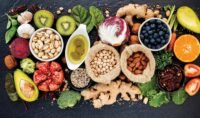
Experts also suggest offering a variety of nutrient-rich foods such as mashed fruits, vegetables, and iron-rich foods to support growth and brain development.
When to Introduce Restricted Foods
Most restricted foods can be introduced after the baby turns one year old. For example:
Honey can be given after 12 months
Cow’s milk can be introduced as a primary drink after one year
Salt and sugar should still be limited even after the first year
Gradual introduction with proper guidance from a pediatrician is recommended.
Conclusion
Planning your baby’s diet requires careful attention, especially during the first year. Avoiding harmful foods such as honey, excess salt, sugar, unpasteurized items, and choking hazards can significantly reduce health risks. Proper nutrition during this stage supports healthy growth, brain development, and immunity.




Leave a comment