



Motherhood is often described as one of the most rewarding phases of life. However, it also brings a significant shift in priorities. Women who once actively managed their health often begin to place their children and families first, sometimes at the cost of their own well being. One of the most overlooked aspects of women’s preventive healthcare is the HPV vaccine. Many mothers either delay or completely forget about it after childbirth.
This growing trend raises an important question. Why do mothers ignore their own health, especially something as crucial as HPV vaccination.
Understanding HPV and Its Risks
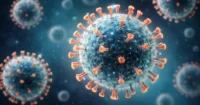
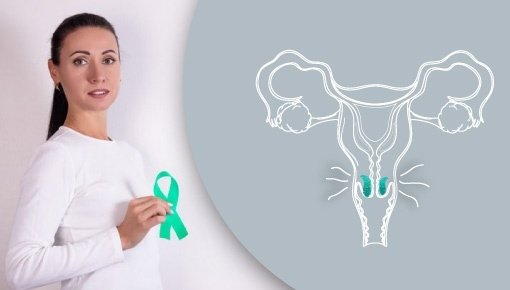
Human Papillomavirus, commonly known as HPV, is one of the most widespread viral infections globally. It is primarily transmitted through skin to skin contact and is strongly linked to several types of cancers, including cervical cancer.
Medical research shows that a large percentage of people will be exposed to HPV at some point in their lives. The virus often remains unnoticed because it may not show symptoms, but certain strains can lead to serious health complications over time.
The HPV vaccine is a proven preventive measure. It protects against high risk strains of the virus and significantly reduces the chances of developing cervical and other related cancers.
Why Mothers Forget the HPV Vaccine
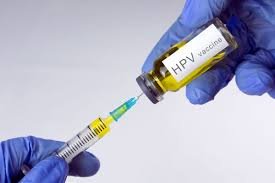
After becoming mothers, women experience physical, emotional, and lifestyle changes. These changes often push personal healthcare to the background. There are several key reasons why mothers neglect HPV vaccination.
1. Shift in Priorities
Once a child is born, the focus naturally shifts toward the baby’s needs. Regular pediatric visits, vaccinations for the child, and household responsibilities take over. In this process, mothers often delay or forget their own medical care.
2. Lack of Awareness
Even in urban and educated populations, awareness about HPV and its vaccine remains surprisingly low. Studies in India show that many women are unaware of the link between HPV and cervical cancer, which leads to lower vaccination rates.
3. Misconceptions About the Vaccine
There are several myths associated with the HPV vaccine. Some women believe it is only necessary for teenagers or unmarried individuals. Others think it is not required after childbirth.
However, medical experts emphasize that the vaccine can still offer protection even if taken later, depending on age and exposure.
4. Safety Concerns
Fear of side effects is another major reason for vaccine hesitation. Research indicates that concerns about safety and effectiveness are among the most common reasons people avoid HPV vaccination.
In reality, the vaccine has been widely tested and is considered safe, with most side effects being mild.
5. Lack of Doctor Recommendation
Healthcare provider guidance plays a crucial role in vaccination decisions. When doctors do not actively recommend the HPV vaccine, many women assume it is not necessary. Studies highlight that absence of physician recommendation significantly reduces vaccination uptake.
6. Cultural and Social Barriers
In countries like India, discussions around sexually transmitted infections are often considered taboo. This creates discomfort and prevents open conversations about HPV vaccination. Cultural stigma and hesitation further discourage mothers from seeking information or taking action.
The Hidden Risk for Mothers
Ignoring HPV vaccination does not eliminate the risk of infection. In fact, women remain vulnerable throughout their lives. HPV can stay dormant for years and may develop into serious conditions later.
Cervical cancer remains one of the leading causes of cancer related deaths among women, especially in developing countries. The lack of preventive measures like vaccination and regular screening contributes to this burden.
Why HPV Vaccination Still Matters After Motherhood
Many women believe that once they are married or have children, the need for vaccination is over. This is not entirely true.
The HPV vaccine can still provide protection against strains that a person has not yet been exposed to. It acts as an additional layer of defense alongside regular screenings such as Pap smears.
Taking the vaccine after motherhood is not only about personal health but also about long term well being. A healthy mother is essential for a healthy family.
How Mothers Can Prioritize Their Health
Improving women’s health outcomes requires a shift in mindset and better awareness. Here are some practical steps mothers can take.
Schedule Regular Health Checkups
Routine medical visits should not stop after pregnancy. Regular checkups help in early detection and prevention of diseases.
Discuss HPV Vaccine with a Doctor
Consult a healthcare professional to understand eligibility, dosage, and benefits of the HPV vaccine.
Stay Informed
Access to accurate information is key. Understanding the risks of HPV and the benefits of vaccination can help women make informed decisions.
Break the Stigma
Open conversations about reproductive health should be encouraged within families and communities.
Set an Example
When mothers prioritize their health, they set a powerful example for their children, promoting a culture of preventive healthcare.
Conclusion
Motherhood should not come at the cost of a woman’s health. Forgetting the HPV vaccine is a common yet preventable issue. With better awareness, medical guidance, and societal support, women can take control of their health again.








Leave a comment