


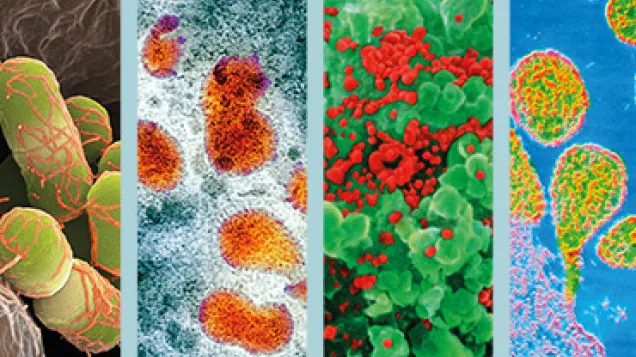
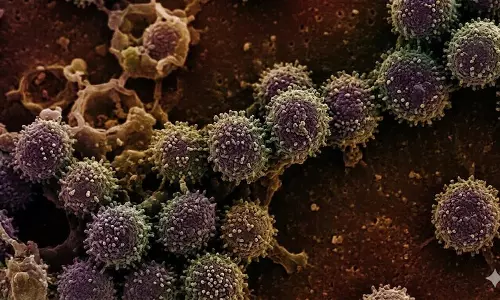
Hantavirus is a rare but potentially life threatening viral infection that spreads mainly through contact with infected rodents such as rats and mice. This virus can cause severe illness in humans by affecting vital organs, especially the lungs and kidneys. Although cases are uncommon, the disease can progress rapidly and become fatal if not treated early.
Hantavirus belongs to a group of viruses that are primarily transmitted through rodent urine, droppings, or saliva. Humans usually become infected when they inhale contaminated air particles or touch infected surfaces and then touch their nose or mouth.
How Hantavirus Enters the Body
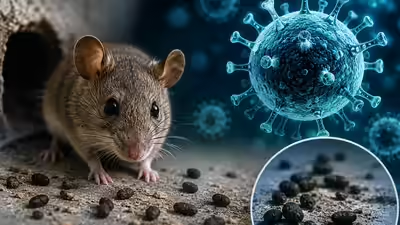
The virus typically enters the human body through the respiratory system. When rodent waste dries, it can mix with dust particles in the air. Breathing in this contaminated air is the most common way the infection spreads.
Other possible transmission methods include:
Direct contact with contaminated surfaces
Touching face after handling infected materials
Rare cases of rodent bites
Unlike many viral infections, hantavirus generally does not spread from person to person, making environmental exposure the main risk factor.
Types of Hantavirus Infections
Hantavirus infections mainly present in two serious forms:
Hantavirus Pulmonary Syndrome HPS
This type affects the lungs and is more common in the Americas. It can lead to severe breathing problems and fluid buildup in the lungs.
Hemorrhagic Fever with Renal Syndrome HFRS
This type mainly affects the kidneys and is more common in Europe and Asia. It can lead to kidney failure and internal bleeding.
Symptoms of Hantavirus Infection
Hantavirus symptoms usually begin like common viral infections, which makes early detection difficult. The initial phase often includes:
Fever
Muscle aches
Fatigue
Headache
Nausea or vomiting
As the infection progresses, more severe symptoms may develop, such as:
Shortness of breath
Dry cough
Chest tightness
Low blood pressure
Kidney problems
In severe cases, the virus can cause fluid buildup in the lungs, leading to life threatening respiratory failure.
How Hantavirus Affects the Body
Hantavirus can have a serious impact on multiple organs in the body. Once the virus enters the bloodstream, it can trigger inflammation and damage blood vessels.
Effects on lungs
The virus can cause hantavirus pulmonary syndrome, where fluid fills the lungs, making breathing difficult and reducing oxygen supply.
Effects on kidneys
Some strains attack the kidneys, leading to reduced urine output, swelling, and even kidney failure.
Effects on heart and circulation
In advanced stages, the infection can affect heart function and blood circulation, increasing the risk of shock and organ failure.
Is There a Treatment for Hantavirus
Currently, there is no specific antiviral treatment or vaccine available for hantavirus infection. Medical care mainly focuses on supportive treatment, which includes:
Oxygen therapy for breathing problems
Intravenous fluids to maintain hydration
Monitoring of organ function
Intensive care support in severe cases
Early diagnosis and timely medical care can significantly improve survival chances.
Who Is at Risk
Certain groups are more likely to be exposed to hantavirus infection:
People living in areas with high rodent populations
Farmers and agricultural workers
Construction and cleaning workers
Individuals cleaning dusty or closed spaces like warehouses or old buildings
Poor sanitation and improper waste management can increase the risk of rodent infestation, thereby raising infection chances.
Prevention of Hantavirus Infection
Since there is no specific cure, prevention is the most effective way to protect yourself from hantavirus.
Key preventive measures include:
Keep homes and surroundings clean
Seal holes and entry points to prevent rodents
Store food in closed containers
Avoid sweeping dry rodent droppings
Use disinfectants and protective gear while cleaning
Wash hands regularly after handling potentially contaminated items
Proper hygiene and rodent control are essential to reduce exposure risk.
Why Awareness About Hantavirus Is Important
Although hantavirus infection is rare, it can become severe quickly if ignored. Early symptoms often resemble flu, which can delay diagnosis and treatment. Increasing awareness about the disease, especially in high risk areas, can help prevent complications and save lives.
Public health experts emphasize that simple precautions such as maintaining cleanliness and avoiding contact with rodents can significantly reduce infection risk.
Conclusion
Hantavirus is a serious viral infection that spreads mainly through contact with infected rodents. While rare, it can lead to severe complications affecting the lungs, kidneys, and other vital organs. Understanding its symptoms, causes, and prevention strategies is essential for protecting your health.













Leave a comment