


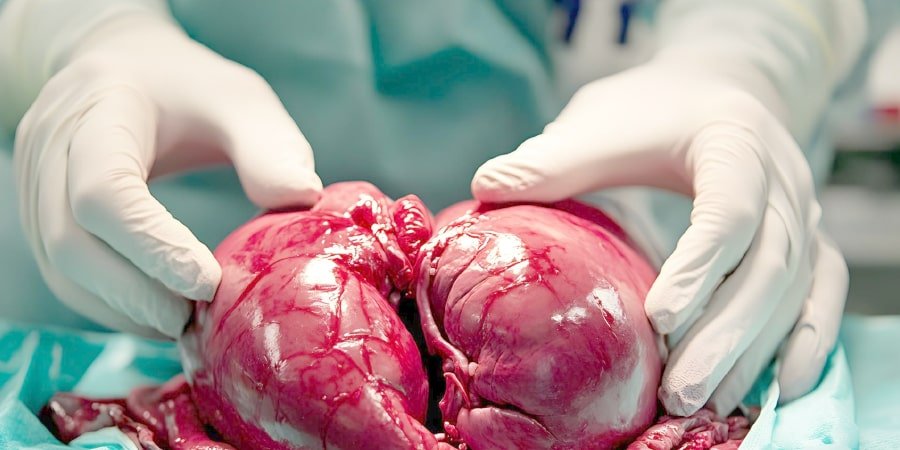
Liver transplantation is a life-saving procedure for patients suffering from end-stage liver disease. However, the success of a transplant largely depends on how well the body accepts the new organ. One of the most important medical advancements in this field is the use of tacrolimus, an immunosuppressive drug that significantly improves liver transplant survival rates.
Tacrolimus has become a cornerstone in modern transplant medicine. It helps prevent the immune system from attacking the newly transplanted liver, thereby reducing the risk of rejection and improving long-term patient outcomes. Recent studies and clinical evidence confirm that tacrolimus-based therapies offer better survival rates compared to older treatments.
What Is Tacrolimus and How Does It Work
Tacrolimus is an immunosuppressant medication commonly prescribed after organ transplantation. Its primary function is to suppress the immune response that would otherwise identify the transplanted liver as a foreign object and attack it.
After a liver transplant, the immune system naturally tries to reject the new organ. Tacrolimus works by inhibiting T-lymphocytes, which are responsible for triggering this immune response. By controlling these cells, the drug helps the body accept the new liver and function normally.
Tacrolimus is widely considered a key component of post-transplant care due to its effectiveness and reliability.
Why Tacrolimus Improves Liver Transplant Survival
Several clinical studies have shown that tacrolimus significantly enhances both patient survival and graft survival rates. According to research, tacrolimus is more effective than traditional drugs like cyclosporine in preventing organ rejection and improving overall outcomes.
In a large European Liver Transplant Registry study, patients treated with prolonged-release tacrolimus demonstrated better survival rates compared to those receiving other formulations. The study found that certain treatment methods using tacrolimus were associated with improved graft and patient survival outcomes.
Additionally, long-term studies suggest that maintaining appropriate tacrolimus levels in the blood plays a critical role in ensuring better survival rates after transplantation. Patients with optimal drug levels tend to experience fewer complications and better long-term health.
Benefits of Tacrolimus in Liver Transplant Patients
Tacrolimus offers multiple advantages that make it a preferred choice for doctors and transplant specialists.
First, it significantly reduces the risk of acute organ rejection. This is one of the most critical factors in ensuring transplant success.
Second, it improves long-term survival rates. Patients on tacrolimus therapy are more likely to live longer and maintain better liver function.
Third, tacrolimus allows for more stable immunosuppression. This means fewer fluctuations in immune response, leading to better overall outcomes.
Finally, many patients can continue tacrolimus therapy for years with proper monitoring, making it a reliable long-term solution.
Challenges and Side Effects of Tacrolimus
While tacrolimus is highly effective, it is not without risks. Patients taking this medication must be closely monitored by healthcare professionals.
One of the most common side effects is kidney dysfunction. Long-term use can impact renal function, so regular blood tests are necessary.
Another concern is the increased risk of diabetes after transplantation. Studies have shown that tacrolimus may lead to higher chances of post-transplant diabetes compared to some alternatives.
Other side effects may include high blood pressure, tremors, and increased susceptibility to infections due to suppressed immunity.
Despite these challenges, the benefits of tacrolimus generally outweigh the risks when managed properly.
Importance of Monitoring Tacrolimus Levels
Maintaining the correct dosage of tacrolimus is crucial. Too little medication can lead to organ rejection, while too much can cause toxicity and serious side effects.
Doctors regularly measure tacrolimus blood levels to ensure they stay within a safe and effective range. Research indicates that patients with balanced tacrolimus levels have significantly better long-term survival outcomes compared to those with levels outside the recommended range.
This highlights the importance of personalized treatment and consistent follow-up care for transplant patients.
Future of Liver Transplant Treatment
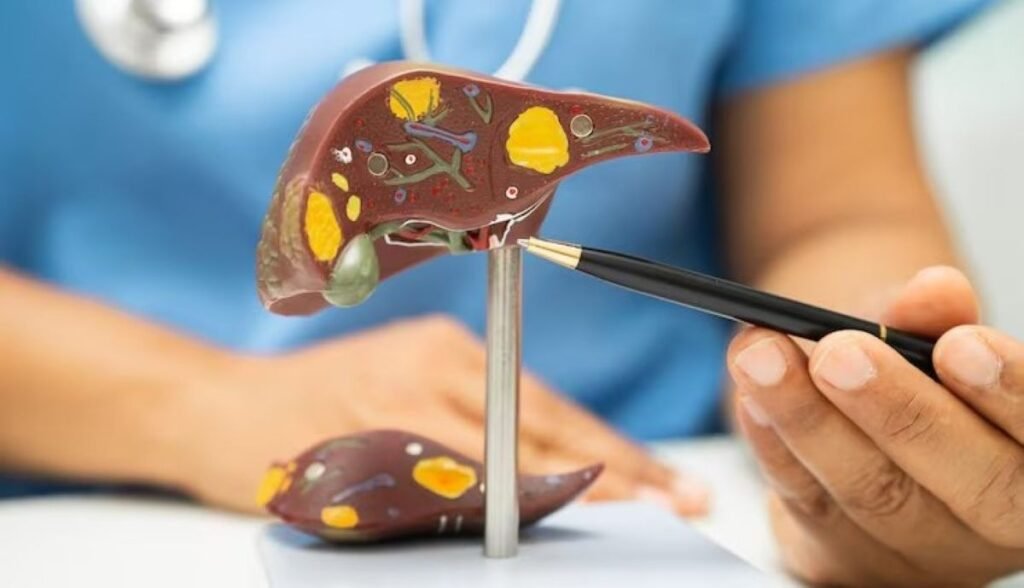
Medical research continues to explore ways to optimize tacrolimus therapy and improve patient outcomes even further. Scientists are studying new formulations and dosing strategies to minimize side effects while maintaining effectiveness.
There is also growing interest in personalized medicine, where treatment plans are tailored based on a patient’s genetic profile and response to medication. This approach could further enhance survival rates and reduce complications in liver transplant patients.
Conclusion
Tacrolimus has revolutionized liver transplant care by significantly improving survival rates and reducing the risk of organ rejection. Its role as a primary immunosuppressive drug makes it an essential part of post-transplant treatment.













Leave a comment