


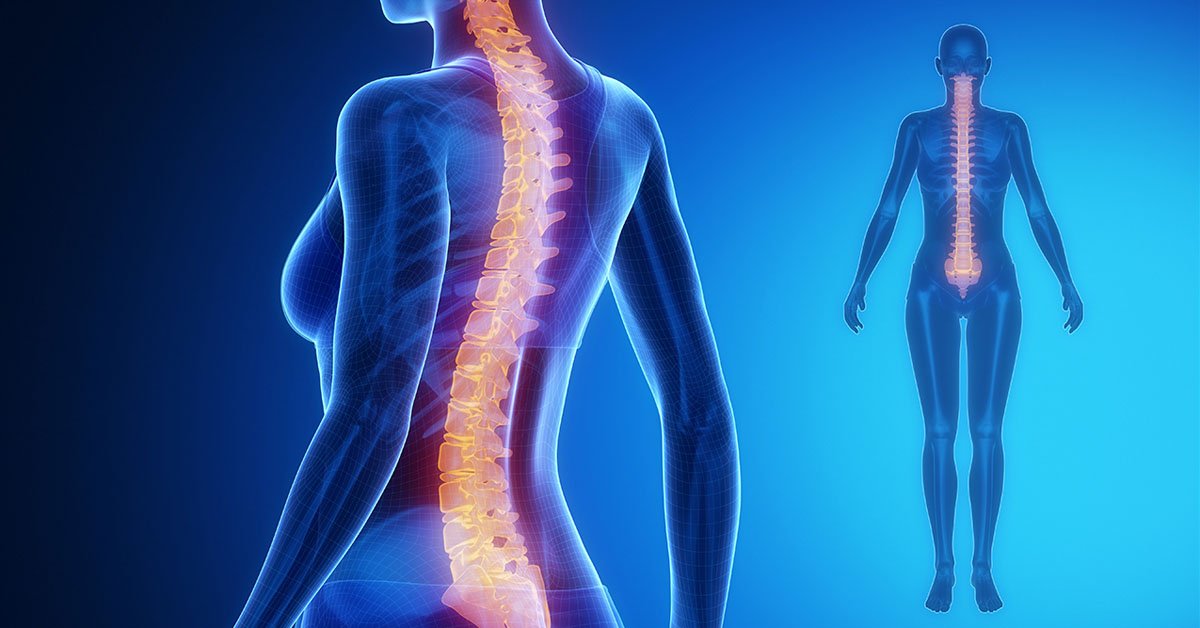
Spine pain is one of the most common health problems affecting both men and women worldwide. It can occur at any age and may range from mild discomfort to severe, debilitating pain. The spine plays a crucial role in supporting the body, maintaining posture, and enabling movement. When spinal health is compromised, it can significantly impact daily life.
Studies show that spine or back pain is a leading cause of disability globally and affects millions of people due to lifestyle, aging, and medical conditions .Understanding the causes, symptoms, and treatment options is essential for effective management and prevention.
What is Spine Pain
Spine pain refers to discomfort occurring anywhere along the spinal column, from the neck to the lower back. It may be acute, lasting a few days or weeks, or chronic, persisting for months or even years.
The pain can be localized or radiate to other parts of the body such as the legs or arms. In many cases, it is associated with muscle strain, nerve compression, or structural issues in the spine .
Common Causes of Spine Pain in Men and Women
1. Muscle and Ligament Strain

This is the most common cause of spine pain. It occurs due to heavy lifting, sudden movements, or poor posture. Repetitive strain can lead to muscle spasms and discomfort.
2. Herniated or Bulging Disc
Spinal discs act as cushions between vertebrae. When they bulge or rupture, they can press on nerves and cause pain, numbness, or weakness.
3. Arthritis and Osteoporosis
Conditions like osteoarthritis and osteoporosis can affect spinal bones, leading to stiffness, fractures, and chronic pain.
4. Poor Posture and Sedentary Lifestyle
Sitting for long hours, especially with incorrect posture, puts pressure on the spine and weakens supporting muscles.
5. Spinal Conditions
Conditions such as scoliosis, spinal stenosis, and sciatica can cause persistent spine pain and mobility issues.
Gender Differences in Spine Pain
Spine Pain in Women

Women are more likely to experience spine pain due to several biological and hormonal factors:
- Pregnancy increases pressure on the lower back
- Hormonal changes affect ligaments and joints
- Menstrual conditions like endometriosis can cause lower back pain
- Menopause may lead to bone density loss
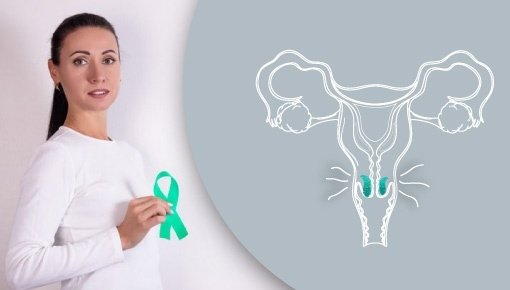
Certain gynecological conditions, including uterine fibroids, can also contribute to back pain in women .
Spine Pain in Men
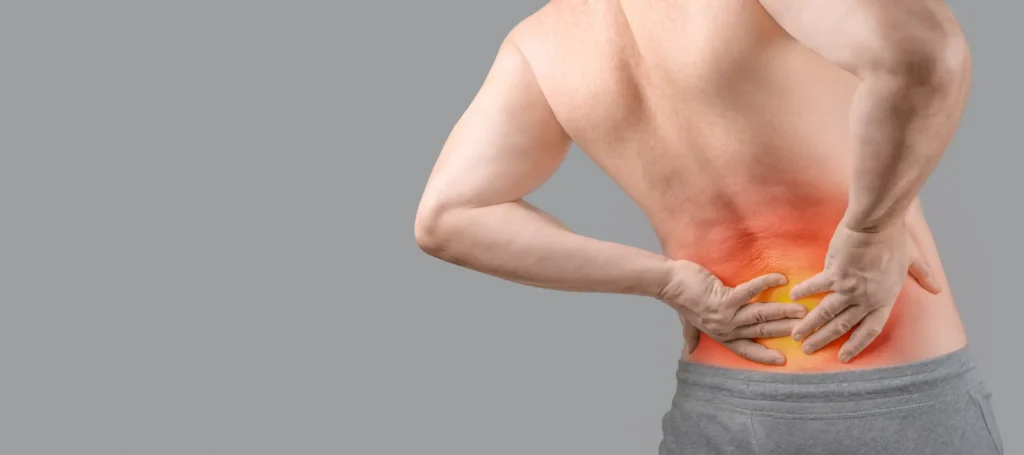
Men often experience spine pain due to:
- Physically demanding jobs
- Heavy lifting and sports injuries
- Poor lifestyle habits such as smoking or lack of exercise
While both genders are affected, the underlying causes and risk factors may differ significantly.
Symptoms of Spine Pain
Spine pain symptoms can vary depending on the cause. Common symptoms include:
- Persistent aching or stiffness
- Sharp or shooting pain
- Pain radiating to legs or arms
- Numbness or tingling sensation
- Reduced mobility and flexibility
In severe cases, nerve compression can lead to weakness or coordination problems .
When to See a Doctor
While most spine pain improves with rest and home care, medical attention is necessary if:
- Pain lasts more than a few weeks
- It becomes severe or worsens
- There is numbness or weakness in limbs
- Pain spreads below the knee
- There are bladder or bowel issues
These symptoms may indicate serious underlying conditions that require immediate treatment
Diagnosis of Spine Pain
Doctors use several methods to diagnose spine pain, including:
- Physical examination
- Medical history evaluation
- Imaging tests such as X-rays, MRI, or CT scans
- Blood tests in some cases
Accurate diagnosis helps determine the exact cause and appropriate treatment plan.
Treatment Options for Spine Pain
1. Home Remedies
- Rest and proper posture
- Hot or cold compress
- Gentle stretching exercises
2. Medications
- Pain relievers
- Anti-inflammatory drugs
3. Physiotherapy
Physical therapy helps strengthen muscles, improve flexibility, and reduce pain.
4. Lifestyle Changes
- Regular exercise
- Weight management
- Ergonomic work setup
5. Advanced Treatments
In severe cases, treatments may include:
- Injections
- Chiropractic care
- Surgery (rare cases)
Most spine pain cases improve without surgery when managed properly.
Prevention Tips for Spine Health

Maintaining a healthy spine is essential to prevent pain. Follow these tips:
- Maintain proper posture while sitting and standing
- Exercise regularly to strengthen core muscles
- Avoid heavy lifting or use proper techniques
- Maintain a healthy body weight
- Quit smoking to improve spinal health
Regular physical activity such as walking or swimming can significantly reduce the risk of back pain
Conclusion
Spine pain in both men and women is a common but manageable condition. While the causes may differ due to biological and lifestyle factors, early diagnosis and proper care can prevent complications. Adopting a healthy lifestyle, maintaining good posture, and seeking timely medical advice are key steps to ensuring long-term spinel health.












Leave a comment