


Introduction
Vitamins and minerals are essential nutrients that your body needs to function properly. They support everything from immunity and energy production to bone strength and brain function. Since the human body cannot produce most vitamins and minerals on its own, it is important to consume nutrient-dense foods daily. In this comprehensive guide, we will explore the best vitamin and mineral rich foods and how they contribute to overall health.
Why Vitamins and Minerals Are Important
Vitamins help regulate body processes, while minerals play a crucial role in structural and metabolic functions. For example, Vitamin C strengthens immunity, Vitamin D supports bone health, iron helps carry oxygen in the blood, and calcium builds strong bones and teeth. A deficiency in these nutrients can lead to fatigue, weakened immunity, and various health disorders.
Eating a balanced diet filled with whole foods ensures that your body receives these essential nutrients naturally.
Leafy Green Vegetables:


Leafy greens are among the most nutrient-dense foods available. Vegetables like spinach, kale, Swiss chard, and collard greens are rich in:
- Vitamin A
- Vitamin C
- Vitamin K
- Folate
- Iron
- Calcium
- Magnesium
These vegetables support eye health, improve digestion, and strengthen bones. Vitamin K in leafy greens plays a crucial role in blood clotting, while iron helps prevent anemia. Adding a serving of leafy greens to your daily meals can significantly boost your nutrient intake.
Citrus Fruits:
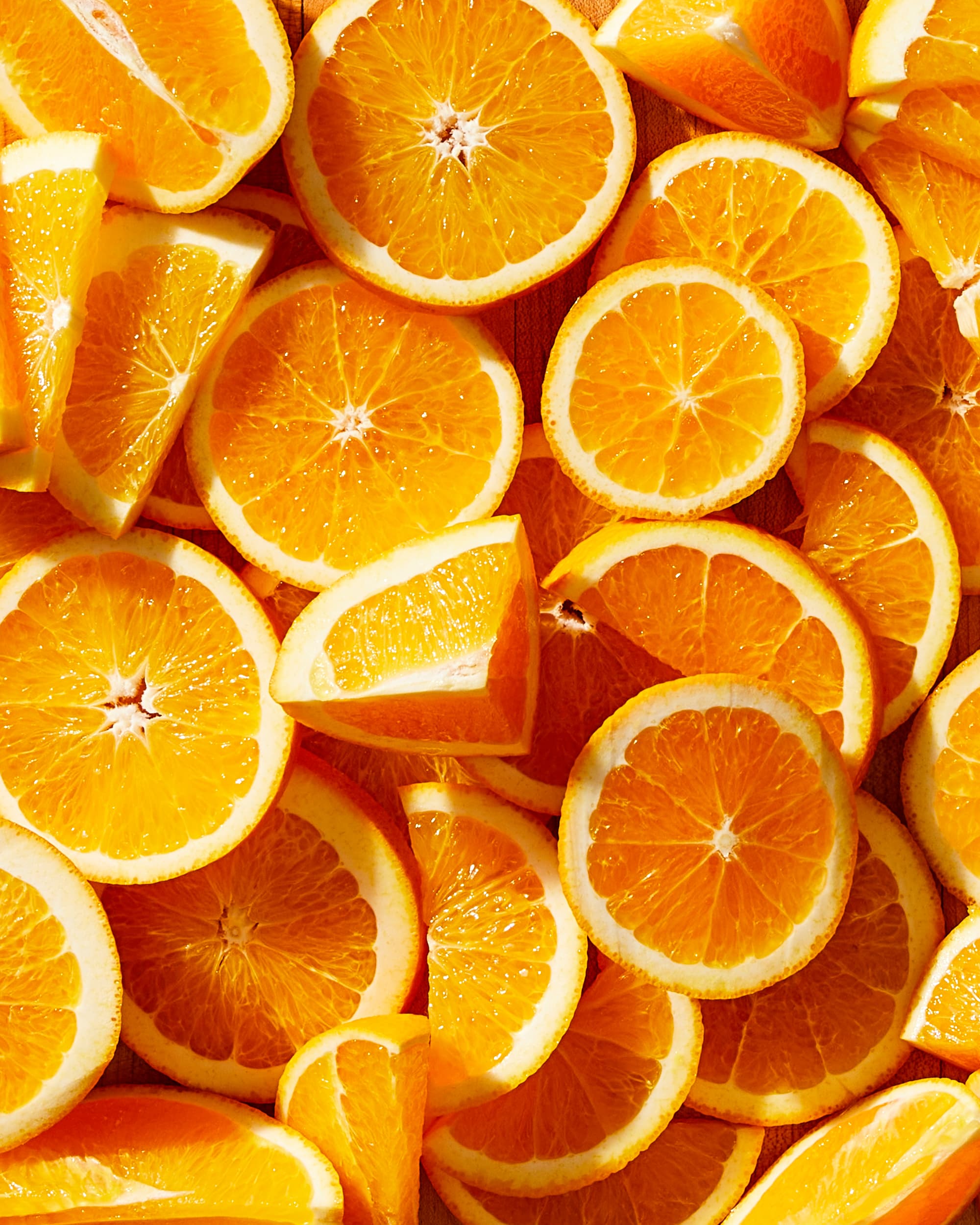

Citrus fruits such as oranges, lemons, grapefruits, and tangerines are famous for their high Vitamin C content. They also contain:
- Potassium
- Folate
- Antioxidants
Vitamin C strengthens the immune system, promotes healthy skin, and helps the body absorb iron efficiently. Regular consumption of citrus fruits can reduce the risk of infections and support heart health.
Nuts and Seeds:


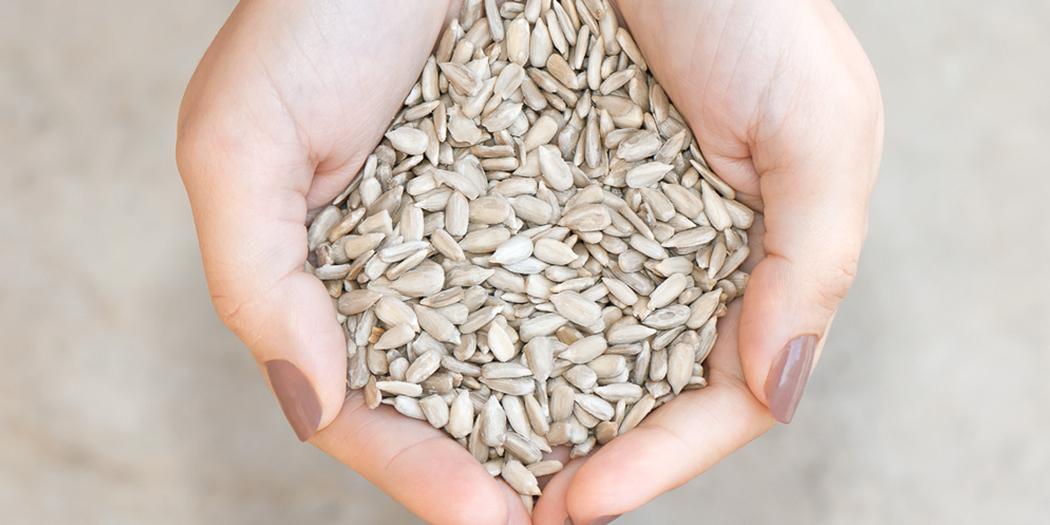
Nuts and seeds are small but packed with powerful nutrients. Popular options include almonds, chia seeds, sunflower seeds, and pumpkin seeds. They are rich in:
- Vitamin E
- Magnesium
- Zinc
- Healthy fats
- Protein
Vitamin E acts as an antioxidant, protecting cells from damage. Magnesium supports muscle and nerve function, while zinc boosts immunity. Including a handful of nuts or seeds in your diet can improve heart health and provide long-lasting energy.
Dairy Products:

Milk, yogurt, cheese, and cottage cheese are excellent sources of essential minerals and vitamins such as:
- Calcium
- Vitamin D
- Vitamin B12
- Phosphorus
Calcium and Vitamin D work together to maintain strong bones and teeth. Vitamin B12 supports nerve function and red blood cell formation. For those who are lactose intolerant, fortified plant-based alternatives like almond or soy milk can provide similar nutrients.

Whole grains such as brown rice, quinoa, oats, and whole wheat bread are rich in:
- B Vitamins (B1, B2, B3, B6)
- Iron
- Magnesium
- Fiber
B vitamins help convert food into energy, while fiber supports digestive health. Whole grains also reduce the risk of heart disease and help maintain stable blood sugar levels.
:

Fatty fish like salmon, tuna, mackerel, and sardines are rich in:
- Vitamin D
- Vitamin B12
- Omega-3 fatty acids
- Iodine
- Selenium
Vitamin D supports immune function and bone health. Omega-3 fatty acids reduce inflammation and improve heart health. Consuming fatty fish at least twice a week can provide substantial health benefits.
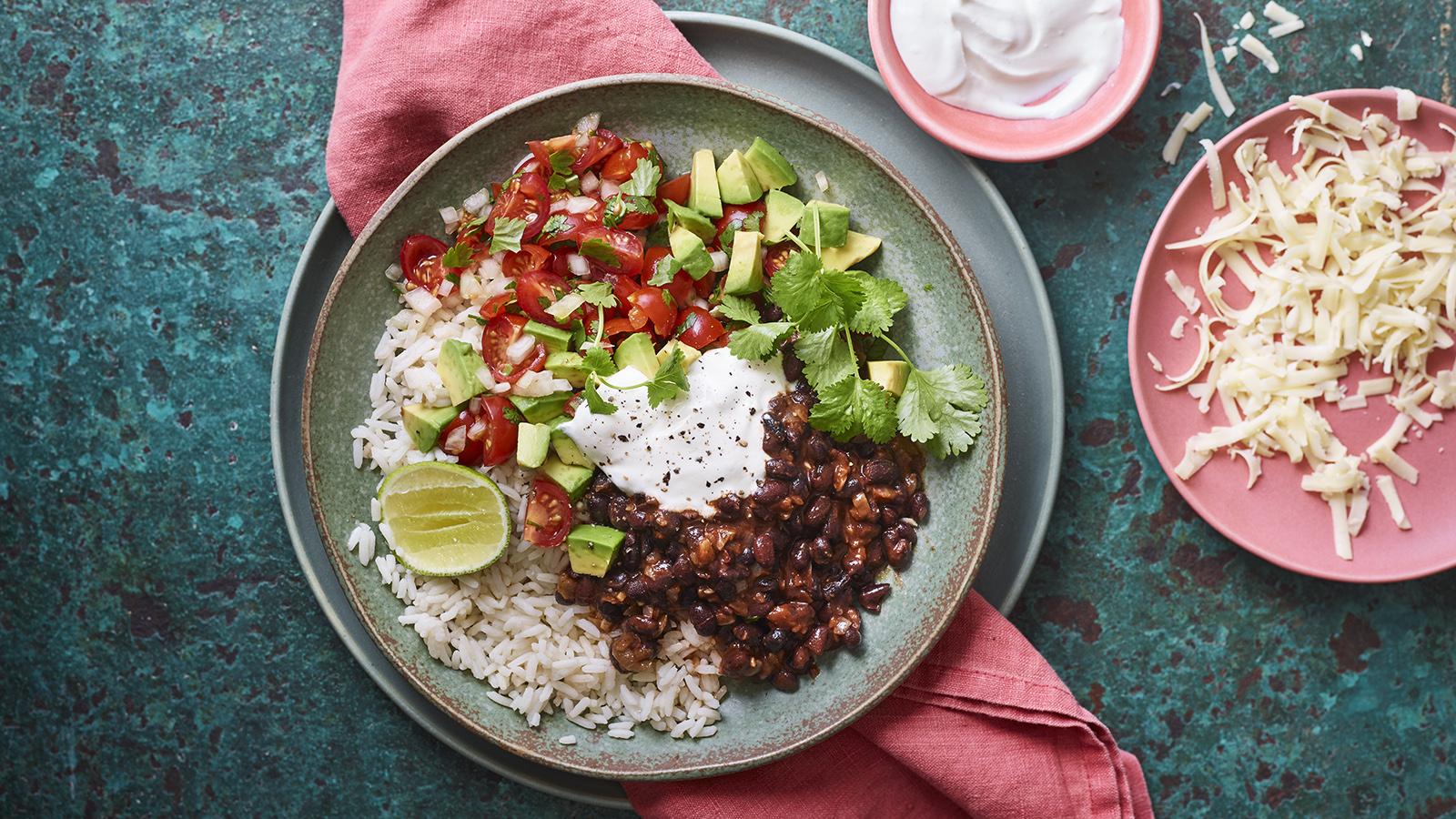
Legumes such as lentils, chickpeas, black beans, and kidney beans are excellent plant-based sources of:
- Iron
- Folate
- Potassium
- Protein
- Magnesium
They are especially beneficial for vegetarians and vegans. Legumes support heart health, improve digestion, and help regulate blood sugar levels.
Tips for Maximizing Nutrient Intake:
To get the most vitamins and minerals from your food:
- Eat a variety of colorful fruits and vegetables.
- Avoid overcooking vegetables to preserve nutrients.
- Pair Vitamin C-rich foods with iron-rich foods for better absorption.
- Choose whole foods over processed options.
- Stay hydrated and maintain balanced meal portions.
Conclusion:
A diet rich in vitamins and minerals is essential for maintaining overall health and preventing deficiencies. Leafy greens, citrus fruits, nuts, dairy, whole grains, fatty fish, and legumes are some of the best natural sources of essential nutrients. By incorporating these foods into your daily meals, you can strengthen your immune system, improve energy levels, and support long-term wellness.
Remember, the key to good health is balance and consistency. Focus on eating a wide variety of nutrient-dense foods, and your body will thank you with better performance and vitality.












Leave a comment