


Introduction
Periods are a natural and important part of a girl’s growth. When young girls begin menstruating—usually between the ages of 9 and 15—it marks the beginning of puberty. However, many girls experience period problems during the early years. These issues can cause physical discomfort, emotional stress, and confusion for both children and parents.
Understanding period problems in young girls is essential to ensure proper care, emotional support, and medical attention when necessary. In this article, we will discuss common menstrual problems, their causes, symptoms, and practical solutions.
What Is Menstruation?
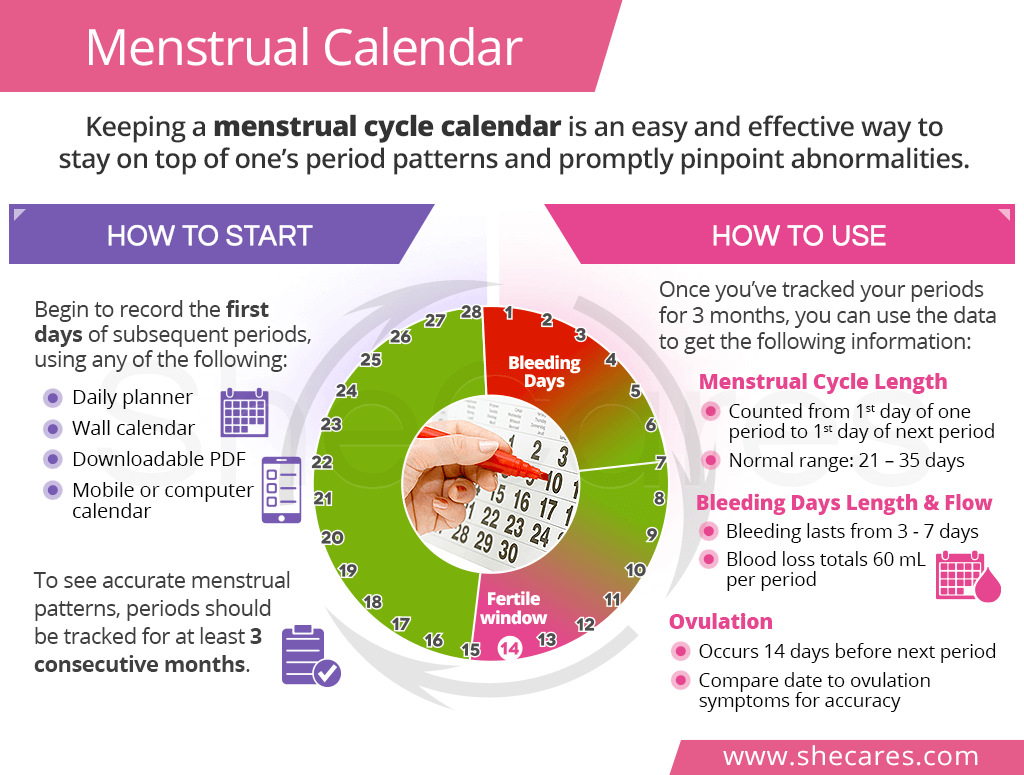
Menstruation is a monthly process where the uterus sheds its lining if pregnancy does not occur. This shedding results in bleeding, known as a period. The first period is called menarche. After menarche, it may take 1–2 years for cycles to become regular.
During puberty, hormones such as estrogen and progesterone begin to fluctuate. These hormonal changes are the main reason behind most period-related problems in young girls.
Common Period Problems in Young Girls
1. Irregular Periods

Irregular periods are very common during the first few years after menarche. A normal cycle ranges between 21 to 35 days, but young girls may experience:
- Skipping months
- Very early or late periods
- Unpredictable bleeding
Causes:
- Hormonal imbalance
- Stress
- Sudden weight loss or gain
- Poor nutrition
In most cases, irregular periods are normal in early adolescence. However, if periods stop for more than three months, medical consultation is necessary.

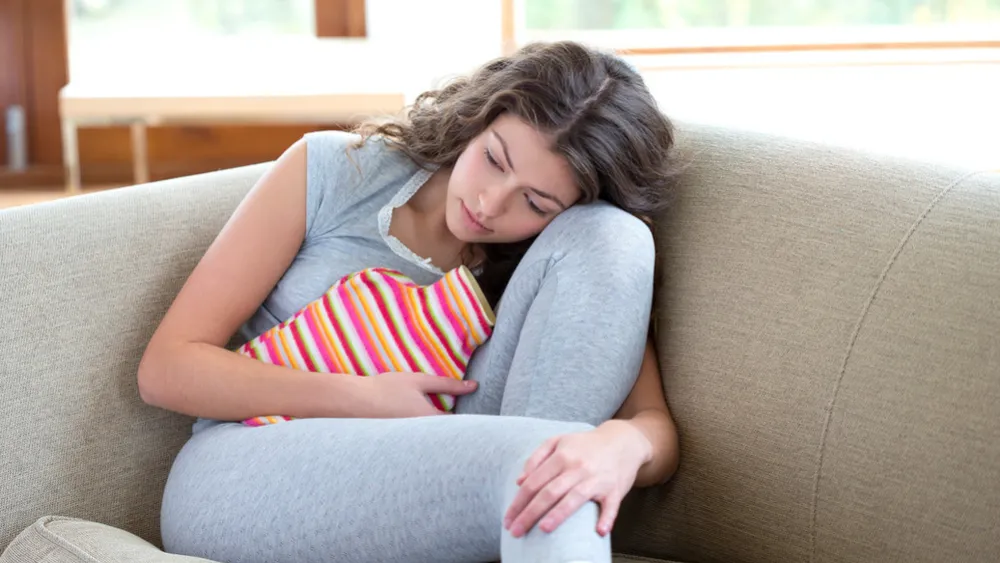
Many girls experience menstrual cramps during periods. This condition is called dysmenorrhea.
Symptoms include:
- Lower abdominal pain
- Back pain
- Nausea
- Headache
- Fatigue
Mild pain is normal. However, severe pain that interferes with school or daily activities should not be ignored.
Solutions:
- Warm compress or heating pad
- Light exercise or yoga
- Drinking warm fluids
- Over-the-counter pain relief (only under doctor’s advice)
3. Heavy Bleeding (Menorrhagia)

Heavy menstrual bleeding means soaking through one or more pads every 1–2 hours or bleeding for more than 7 days.
Signs of heavy bleeding:
- Large blood clots
- Extreme tiredness
- Dizziness
Heavy bleeding can lead to anemia (low iron levels), which causes weakness and pale skin.
When to see a doctor:
If bleeding is excessive or continues for several cycles.
4. Premenstrual Syndrome (PMS)

PMS refers to physical and emotional symptoms that occur before periods.
Common PMS symptoms:
- Mood swings
- Irritability
- Bloating
- Breast tenderness
- Food cravings
These symptoms are caused by hormonal changes before menstruation begins.
Management tips:
- Balanced diet
- Regular sleep
- Physical activity
- Reducing junk food and caffeine
5. Early or Late Period Start
Some girls start their periods before age 8 (early puberty), while others may not begin by age 15.
Possible causes:
- Genetics
- Hormonal disorders
- Nutritional issues
- Medical conditions
Parents should consult a doctor if periods begin too early or are delayed beyond the normal age range.
Emotional and Psychological Impact
Period problems can affect a young girl’s mental health. She may feel embarrassed, scared, or anxious—especially if she lacks proper information.
Common emotional reactions include:
- Fear of leakage at school
- Body image concerns
- Mood changes
- Social withdrawal
Open communication between parents and children is essential. Schools should also provide menstrual education to reduce stigma.
Importance of Proper Menstrual Hygiene
Maintaining hygiene during periods is crucial to prevent infections.
Hygiene tips:
- Change pads every 4–6 hours
- Wash hands before and after changing products
- Bathe daily
- Wear clean, comfortable underwear
Using sanitary pads, tampons, or menstrual cups safely and correctly is important. Parents should guide young girls in choosing the right product.
Nutrition and Lifestyle for Healthy Periods
A healthy lifestyle plays a major role in managing menstrual problems.
1. Iron-Rich Foods
- Spinach
- Beans
- Lentils
- Pomegranate
- Dates
2. Calcium and Vitamin D
These nutrients help reduce cramps and support bone health.
3. Regular Exercise
Light exercise improves blood circulation and reduces period pain.
4. Stress Management
Meditation, journaling, and hobbies can reduce stress-related irregularities.
When to Consult a Doctor
Seek medical advice if a young girl experiences:
- Severe abdominal pain
- Very heavy bleeding
- Periods lasting more than 7–8 days
- No periods by age 15
- Sudden missed periods for 3 months
Doctors may recommend blood tests, ultrasound, or hormonal therapy if needed.
Role of Parents and Guardians
Parents play a crucial role in helping girls manage period problems. They should:
- Educate daughters before menarche
- Encourage open discussion
- Provide menstrual products
- Monitor health changes
Avoid shaming or dismissing symptoms. Support and understanding help build confidence.
Breaking the Period Stigma
In many cultures, periods are still considered a taboo topic. This silence can lead to misinformation and fear.
Menstrual education should start early at home and in schools. Teaching boys and girls about menstruation promotes respect and awareness.
Conclusion
Period problems in young girls are common, especially during the first few years after menstruation begins. Irregular cycles, cramps, heavy bleeding, and PMS are normal to some extent. However, severe symptoms require medical attention.
With proper education, healthy lifestyle habits, emotional support, and hygiene practices, young girls can manage their periods confidently and comfortably.
Menstruation is a natural process—not a disease. Open conversations and awareness can help children grow into healthy, informed adults.








Leave a comment