
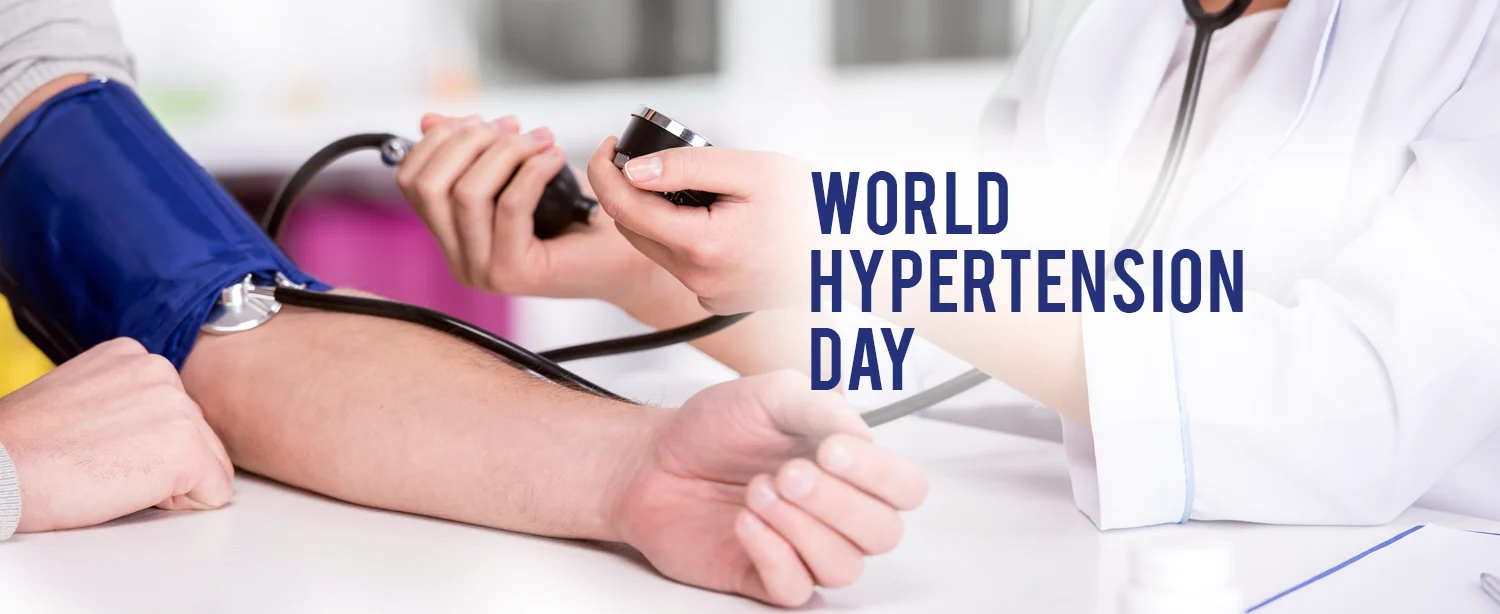
Hypertension has become one of the leading causes of premature death worldwide. Medical experts often call it the silent killer because many people do not experience symptoms until serious complications develop. According to health reports, more than 1.4 billion people globally are affected by hypertension, while millions remain unaware of their condition.
What Is Hypertension
Hypertension is a medical condition in which the force of blood against the walls of the arteries remains consistently high. A normal blood pressure reading is usually around 120/80 mmHg. When blood pressure rises above normal levels over a long period, it can damage blood vessels and vital organs.
There are two major types of hypertension. Primary hypertension develops gradually over time and is usually linked to genetics, unhealthy eating habits, stress, obesity, smoking, and lack of physical activity. Secondary hypertension is caused by underlying medical conditions such as kidney disease, hormonal disorders, or certain medications.
Doctors warn that uncontrolled hypertension significantly increases the risk of cardiovascular diseases. It can lead to heart attack, stroke, vision problems, kidney failure, and even sudden death if left untreated.
Theme of World Hypertension Day 2026
The theme for World Hypertension Day 2026 is “Controlling Hypertension Together.” The campaign highlights the importance of collective efforts involving individuals, families, healthcare professionals, policymakers, and communities in controlling blood pressure and promoting heart health.
This year’s awareness campaign strongly emphasizes regular blood pressure monitoring, healthier lifestyles, early diagnosis, and access to treatment. Health organizations are also focusing on improving awareness in low and middle income countries where hypertension cases continue to rise rapidly.
Why Hypertension Is Called the Silent Killer
One of the biggest dangers of hypertension is that many people do not notice symptoms in the early stages. A person may feel completely healthy while high blood pressure silently damages the heart, brain, kidneys, and arteries.
In some cases, symptoms may include severe headaches, dizziness, chest pain, blurred vision, fatigue, or shortness of breath. However, these signs often appear only after serious damage has already occurred.
Medical professionals therefore recommend regular blood pressure screening even for people who feel healthy. Early detection can prevent life threatening complications and improve long term health outcomes.
Rising Cases of Hypertension Worldwide
Health experts are increasingly concerned about the growing number of hypertension cases among younger adults. Poor dietary habits, excessive salt intake, lack of exercise, obesity, smoking, alcohol consumption, and stress are major contributing factors.
In countries like India, hypertension is no longer considered a disease limited to older people. Reports suggest that many individuals between the ages of 20 and 40 are now being diagnosed with high blood pressure.
Urban lifestyles, long working hours, fast food consumption, and reduced physical activity have significantly increased cardiovascular risks among younger populations. Doctors believe that awareness campaigns like World Hypertension Day are essential for educating people about prevention and healthy living.
Prevention Tips to Control High Blood Pressure
Experts say that hypertension can often be prevented and managed through simple lifestyle changes. Here are some important ways to maintain healthy blood pressure levels:
Maintain a Healthy Diet
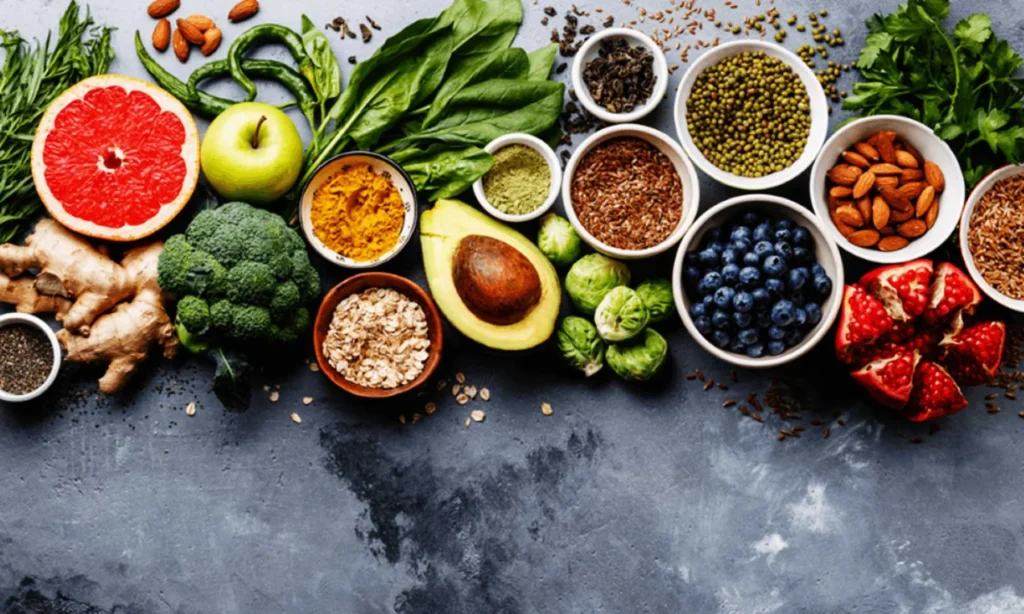
Eating fresh fruits, vegetables, whole grains, nuts, and low fat dairy products can improve heart health. Reducing salt intake is one of the most effective ways to lower blood pressure.
Exercise Regularly

Physical activity helps strengthen the heart and improve blood circulation. Experts recommend at least 30 minutes of moderate exercise such as walking, cycling, or yoga most days of the week.
Avoid Smoking and Alcohol
Smoking damages blood vessels and increases the risk of heart disease. Excessive alcohol consumption can also raise blood pressure levels.
Manage Stress
Chronic stress can contribute to hypertension. Meditation, deep breathing exercises, quality sleep, and relaxation techniques can help manage stress effectively.
Monitor Blood Pressure Regularly
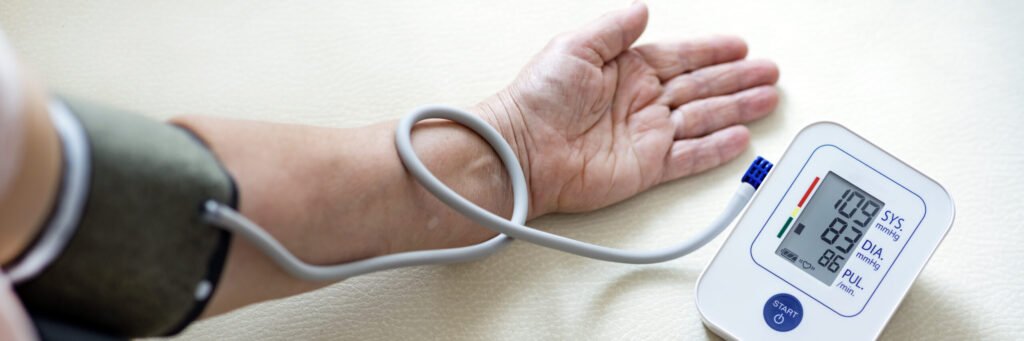
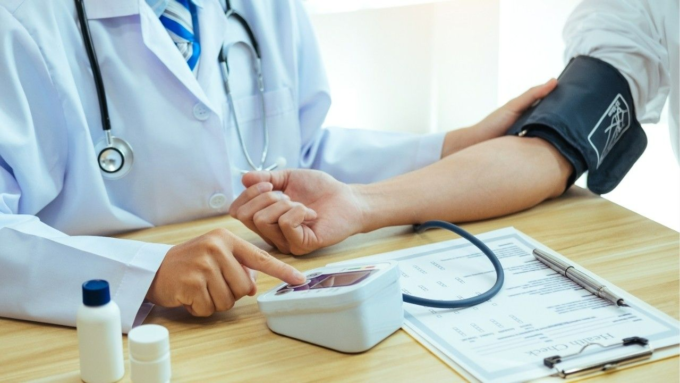
Regular health checkups and home blood pressure monitoring can help detect hypertension early and prevent complications.
Importance of Early Detection
Doctors emphasize that early diagnosis is one of the most powerful tools in preventing severe hypertension related complications. Free screening camps, awareness drives, educational workshops, and public health campaigns are being organized globally as part of World Hypertension Day 2026 activities.
Healthcare professionals are encouraging people to know their blood pressure numbers and seek medical advice if readings remain consistently high. Timely treatment and lifestyle changes can greatly reduce the risk of heart attacks and strokes.
Global Efforts for Better Heart Health
World Hypertension Day was first established in 2005 by the World Hypertension League to spread awareness about the dangers of high blood pressure. Since then, it has become one of the largest global public health awareness campaigns focused on cardiovascular health.
Governments, hospitals, non profit organizations, and healthcare institutions worldwide continue to work together to promote prevention, treatment, and education about hypertension. The growing focus on regular health screenings and preventive healthcare is helping millions understand the importance of heart health.
Conclusion
Simple lifestyle changes such as eating healthy, exercising regularly, reducing stress, and monitoring blood pressure can make a huge difference in preventing serious health complications. The message of this year’s campaign is clear that controlling hypertension requires collective action from individuals, healthcare providers, families, and communities.
- blood pressure control
- blood pressure monitoring
- cardiovascular disease
- global health awareness
- healthy lifestyle
- heart health
- high blood pressure
- hypertension awareness
- hypertension prevention
- hypertension symptoms
- hypertension treatment
- silent killer disease
- World Hypertension Day 2026
- World Hypertension Day theme







Leave a comment