


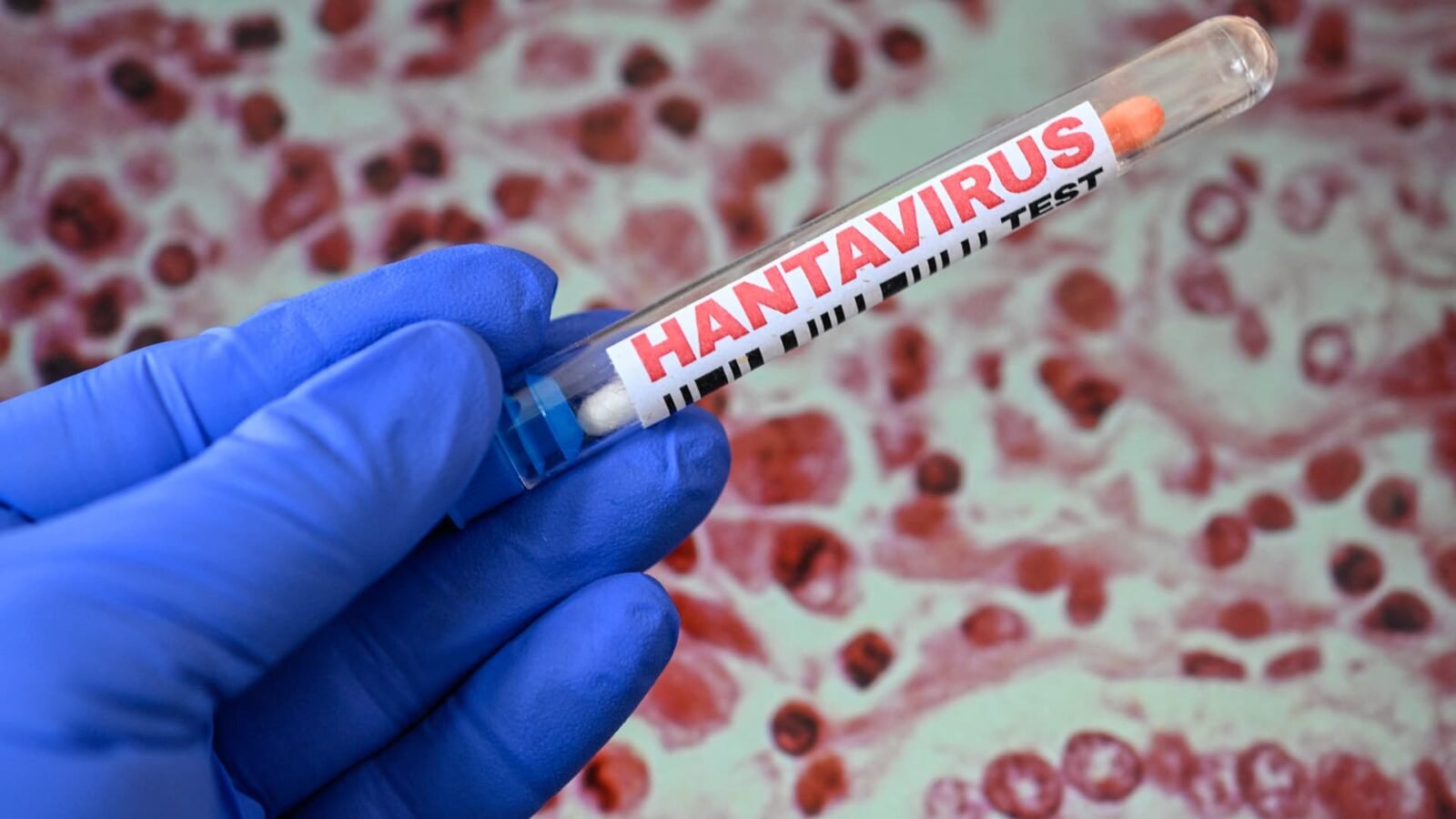
The global health community is closely monitoring the latest hantavirus outbreak linked to an international cruise ship, as Spain confirms a new case among evacuated passengers. The situation has raised concerns across multiple countries, prompting coordinated responses from health authorities and the World Health Organization. While officials stress that the overall public risk remains low, the evolving nature of the outbreak highlights the importance of awareness, early detection, and global cooperation.
What Is the Current Hantavirus Situation
The outbreak originated aboard the Dutch-flagged cruise ship MV Hondius, which carried nearly 150 passengers and crew members. Several individuals onboard developed severe respiratory symptoms, later identified as infections caused by the Andes strain of hantavirus. This particular strain is rare but notable because it has the potential for limited human-to-human transmission.
According to the latest reports, Spain has confirmed a new hantavirus case involving a passenger evacuated from the ship. The infected individual is currently in quarantine at a hospital in Madrid and is reported to be in stable condition.
The total number of confirmed cases worldwide has reached at least nine, with three deaths linked to the outbreak. All confirmed infections are associated with the cruise ship, indicating that the outbreak remains contained within a defined group.
Evacuation and International Response
Authorities in Spain played a critical role by allowing the affected cruise ship to dock in Tenerife in the Canary Islands. This decision enabled the safe evacuation of passengers and crew, many of whom were repatriated to their home countries for further monitoring and quarantine.
More than 100 individuals were evacuated and distributed across countries including Spain, France, the Netherlands, the United States, and Australia.
Health systems worldwide are now actively tracking passengers, conducting tests, and enforcing quarantine protocols. In some cases, even healthcare workers have been quarantined as a precaution after potential exposure to infected individuals.
WHO Assessment and Risk Level
The World Health Organization has stated that there is currently no evidence of a widespread outbreak beyond those directly linked to the cruise ship. However, officials have warned that additional cases may still emerge due to the virus’s relatively long incubation period, which can extend up to several weeks.
Despite the seriousness of the disease, experts emphasize that hantavirus does not spread easily between humans, unlike respiratory viruses such as COVID-19. The Andes strain is an exception but still shows limited transmission capability.
WHO Director-General Tedros Adhanom Ghebreyesus has urged countries to remain vigilant and prepared, noting that global cooperation is essential to prevent further spread.
Symptoms and Health Risks of Hantavirus
Hantavirus infections can lead to severe illness, including hantavirus pulmonary syndrome, which affects the lungs and can become life-threatening if not treated promptly.
Common symptoms include fever, muscle aches, fatigue, and shortness of breath. In severe cases, patients may develop respiratory failure requiring intensive medical care.
There is currently no specific antiviral treatment or vaccine for hantavirus, making early diagnosis and supportive care critical for survival.
How the Virus Spread on the Cruise Ship
Experts believe the outbreak may have originated during the ship’s earlier journey, possibly linked to exposure in regions where hantavirus is endemic, such as parts of South America. The virus is typically transmitted through contact with infected rodent droppings, urine, or saliva.
The confined environment of a cruise ship likely contributed to the spread among passengers before the outbreak was identified. Once detected, strict isolation measures were implemented to contain further transmission.
Preventive Measures and Public Safety
Health authorities are advising the public not to panic but to stay informed and follow basic preventive measures. These include avoiding contact with rodents, maintaining good hygiene, and seeking medical attention if symptoms develop after potential exposure.
Travelers who were on the affected cruise or in contact with confirmed cases are being closely monitored. Quarantine and testing remain the primary tools for controlling the situation.
Why This Outbreak Matters
Although the current outbreak is limited, it serves as an important reminder of how quickly infectious diseases can spread in global travel settings. It also highlights the need for rapid international coordination and transparent communication.
The successful evacuation and containment efforts demonstrate improvements in global health response systems developed after previous pandemics. However, experts caution that continued vigilance is necessary until all potential cases have been identified.
Conclusion
The latest hantavirus outbreak update confirms a new case in Spain among evacuated passengers, bringing the total number of infections to a concerning level. While the outbreak remains contained and the public risk is low, health authorities worldwide are maintaining strict monitoring and response measure.














Leave a comment