


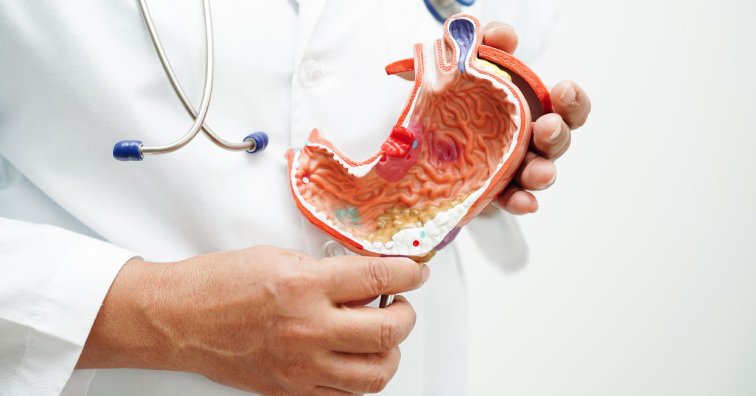
Peptic ulcer is a common digestive disorder that affects millions of people worldwide. It refers to painful sores that develop in the inner lining of the stomach or the upper part of the small intestine. These ulcers can cause discomfort and serious complications if not treated on time.
In this detailed guide, we will explain everything you need to know about peptic ulcer including its causes, symptoms, treatment, and prevention methods.
What is Peptic Ulcer
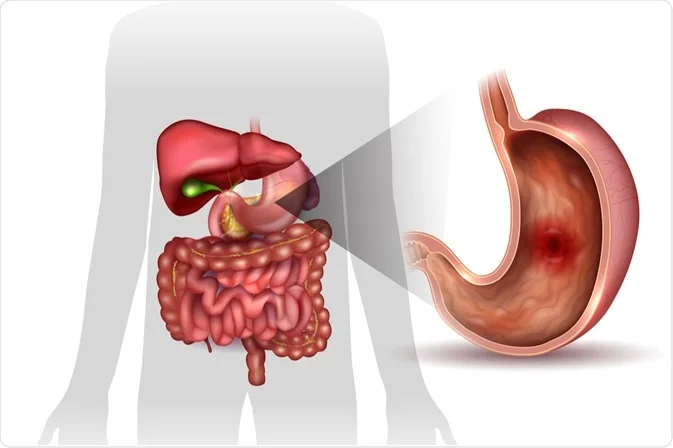
A peptic ulcer is an open sore that forms on the lining of the stomach or the duodenum, which is the upper part of the small intestine. When the protective mucous layer of the digestive tract gets damaged, stomach acid begins to erode the tissue, leading to ulcer formation.
There are mainly two types of peptic ulcers:
Gastric ulcer which occurs in the stomach
Duodenal ulcer which occurs in the upper small intestine
Both types share similar symptoms but may differ slightly in how pain is experienced.
Causes of Peptic Ulcer
The most common causes of peptic ulcer are bacterial infection and prolonged use of certain medications.
Helicobacter pylori infection
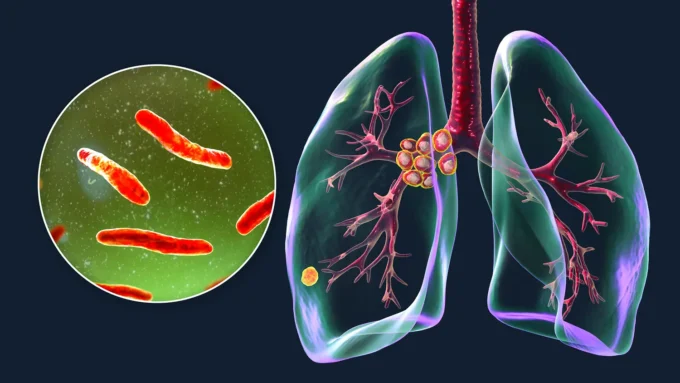
Helicobacter pylori is a bacteria that lives in the stomach lining. It weakens the protective mucus layer, making the stomach more vulnerable to acid damage.
Long term use of painkillers
Frequent use of nonsteroidal anti inflammatory drugs such as ibuprofen and aspirin can irritate the stomach lining and lead to ulcers.
Excess stomach acid
Increased production of stomach acid can damage the lining and cause ulcers over time.
Lifestyle factors
Smoking and alcohol consumption can worsen ulcers and slow down healing. Stress and spicy foods do not directly cause ulcers but may aggravate symptoms.
Symptoms of Peptic Ulcer
Some people may not experience symptoms in the early stages, but common signs include:
Burning or gnawing pain in the upper abdomen
Pain that worsens on an empty stomach or at night
Bloating and feeling of fullness
Frequent burping
Nausea and vomiting
Heartburn
In severe cases, symptoms may include:
Vomiting blood
Black or tarry stools
Sudden weight loss
Dizziness or weakness
These symptoms indicate complications and require immediate medical attention.
Risk Factors
Certain factors increase the risk of developing peptic ulcers:
Age above 60 years
History of ulcers
Regular use of NSAIDs
Smoking habits
Excess alcohol intake
People with untreated Helicobacter pylori infection are also at higher risk.
Complications of Peptic Ulcer
If left untreated, peptic ulcers can lead to serious health problems such as:
Internal bleeding
Perforation which is a hole in the stomach wall
Obstruction in the digestive tract
Increased risk of stomach cancer
Early diagnosis and treatment are essential to prevent these complications.
Diagnosis of Peptic Ulcer
Doctors use several methods to diagnose peptic ulcers:
Endoscopy to view the stomach lining
Blood tests to detect infection
Stool tests
Urea breath test for Helicobacter pylori
These tests help confirm the presence of ulcers and identify the underlying cause.
Treatment of Peptic Ulcer
Treatment depends on the cause and severity of the ulcer.
Antibiotics
If Helicobacter pylori infection is present, doctors prescribe antibiotics to eliminate the bacteria.
Acid reducing medicines
Proton pump inhibitors reduce stomach acid and allow the ulcer to heal.
Avoiding painkillers
Reducing or stopping NSAIDs helps prevent further damage.
Lifestyle changes
Quitting smoking and limiting alcohol intake can improve healing.
Most ulcers heal within a few weeks with proper treatment.
Prevention of Peptic Ulcer
You can reduce your risk of peptic ulcers by following these simple steps:
Avoid excessive use of painkillers
Maintain good hygiene to prevent infection
Eat a balanced diet
Limit alcohol consumption
Quit smoking
Manage stress levels
Taking these precautions can help protect your digestive health.
When to See a Doctor
You should consult a doctor immediately if you experience:
Severe stomach pain
Blood in vomit or stool
Persistent nausea
Unexplained weight loss
Early medical care can prevent complications and ensure faster recovery.
Conclusion
Peptic ulcer is a serious but treatable condition. It mainly occurs due to bacterial infection or prolonged use of painkillers. Recognizing the symptoms early and seeking timely treatment can help prevent complications. By adopting a healthy lifestyle and proper medical care, you can effectively manage and prevent peptic ulcer.












Leave a comment