


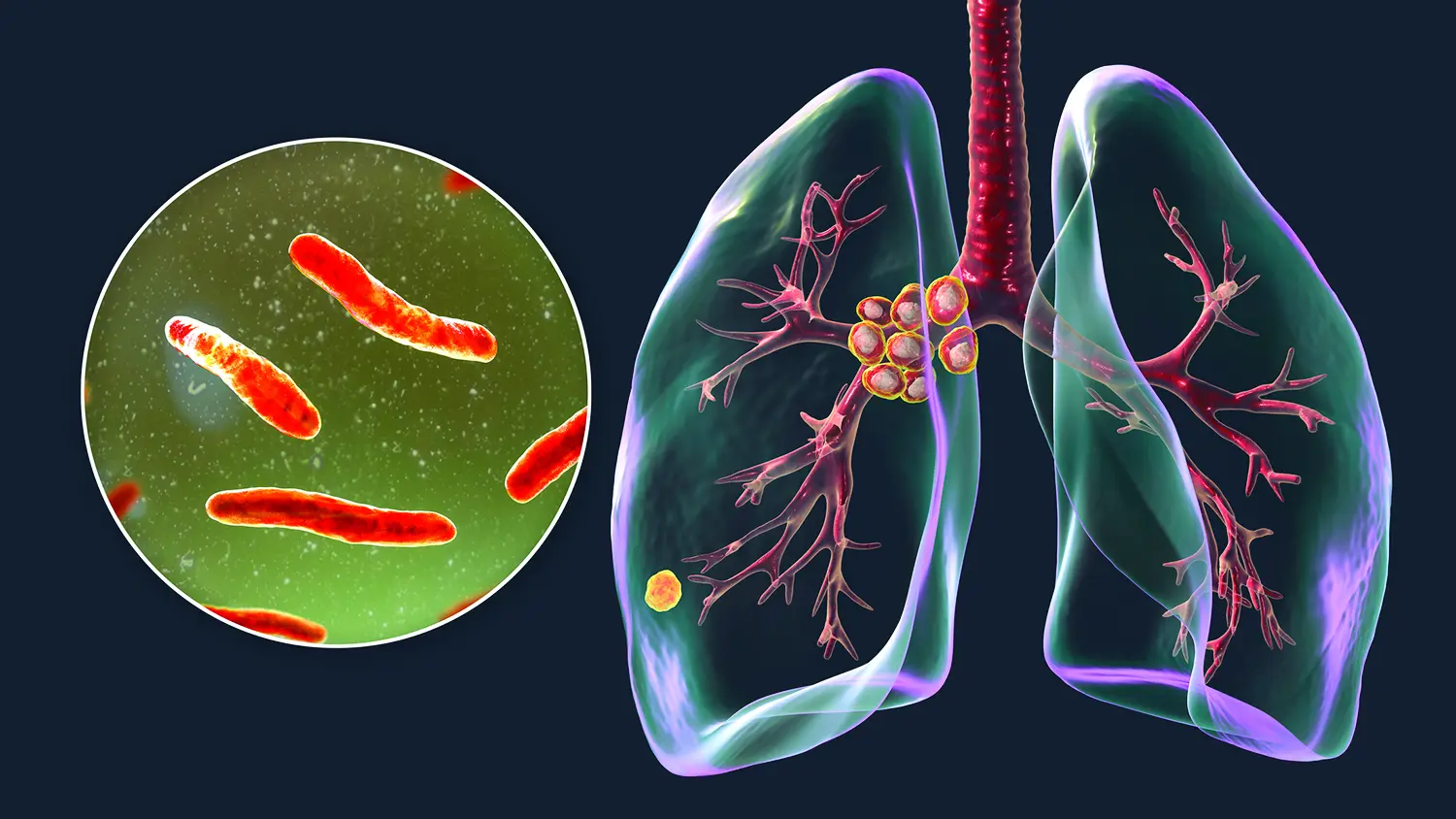
Tuberculosis remains one of the most serious infectious diseases worldwide, affecting millions of people every year. Despite medical advancements, it continues to be a major public health concern, especially in countries like India where the burden is significantly high. Understanding tuberculosis symptoms, causes, prevention, and treatment is essential for early detection and control of this disease.
Tuberculosis, commonly known as TB, is a bacterial infection caused by Mycobacterium tuberculosis. It primarily affects the lungs but can also impact other parts of the body such as the brain, kidneys, and spine. The disease spreads through the air when an infected person coughs, sneezes, or speaks, releasing bacteria into the environment. World Health Organization states that TB is preventable and curable, yet it remains one of the leading causes of death from infectious diseases globally.
What is Tuberculosis
Tuberculosis is an airborne infectious disease that spreads easily in crowded environments or places with poor ventilation. Once the bacteria enter the body, they may remain inactive or become active depending on the immune system.
There are two main types of tuberculosis
Latent TB infection
In this stage, the bacteria remain inactive in the body and do not cause symptoms. People with latent TB are not contagious but may develop active TB later if their immunity weakens.
Active TB disease
This is the serious form where bacteria multiply and cause symptoms. People with active TB can spread the infection to others.
According to global health data, about a quarter of the world’s population is infected with TB bacteria, but only a small percentage develop active disease.
Common Symptoms of Tuberculosis

Tuberculosis symptoms may develop slowly and can be mild at first, which often leads to delayed diagnosis. Recognizing early signs is crucial for timely treatment.
Common symptoms include
Persistent cough lasting more than two to three weeks
Coughing up blood or mucus
Chest pain while breathing or coughing
Unexplained weight loss
Fever and chills
Night sweats
Weakness and fatigue
In some cases, TB can affect other organs, leading to symptoms like back pain, confusion, or swollen lymph nodes depending on the affected area.
Causes and Risk Factors
Tuberculosis is caused by bacteria that spread through airborne droplets. However, not everyone exposed to TB bacteria becomes sick. Several risk factors increase the chances of developing active TB
Weak immune system such as in HIV patients
Malnutrition or poor diet
Diabetes
Smoking and tobacco use
Alcohol consumption
Living in crowded or poorly ventilated conditions
People with weakened immunity are more likely to develop active TB once infected.
How Tuberculosis Spreads
TB spreads when a person with active pulmonary TB releases bacteria into the air. Others may inhale these bacteria and become infected. It is important to note that TB does not spread through sharing food, shaking hands, or touching surfaces.
The risk of transmission increases in crowded areas such as public transport, slums, or healthcare settings without proper infection control. Early detection and isolation play a key role in preventing spread.
Diagnosis of Tuberculosis
Early diagnosis is essential to prevent complications and transmission. Doctors may recommend several tests
Sputum test to detect TB bacteria
Chest X ray
Tuberculin skin test
Blood tests
Rapid molecular tests recommended by global health authorities
Accurate and timely diagnosis helps in starting treatment early and reducing the spread of infection.
Treatment of Tuberculosis
Tuberculosis is curable with proper medical treatment. The standard treatment involves a course of antibiotics taken for six to nine months. It is very important to complete the full course of medication even if symptoms improve early.
Incomplete treatment can lead to drug resistant TB, also known as multidrug resistant TB, which is more difficult and expensive to treat. According to global data, drug resistant TB remains a major health challenge worldwide.
Prevention of Tuberculosis
Preventing tuberculosis requires a combination of personal and public health measures
Get vaccinated with BCG vaccine especially for children
Maintain good hygiene and cover mouth while coughing
Ensure proper ventilation in homes and workplaces
Avoid close contact with infected individuals
Get regular screening if at high risk
Complete preventive treatment if prescribed
Tuberculosis in India
India has one of the highest TB burdens globally, making awareness and prevention even more critical. Government initiatives and national programs aim to eliminate TB through early detection, free treatment, and public awareness campaigns.
With proper diagnosis, treatment, and preventive measures, TB can be controlled and eventually eliminated.
Conclusion
Tuberculosis is a serious but preventable and curable disease. Awareness about tuberculosis symptoms, causes, and prevention can save lives. Early diagnosis, proper treatment, and healthy lifestyle choices play a crucial role in reducing the spread of this infection.










Leave a comment