


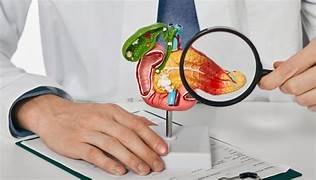
Gallstones are more common than many people think especially among women. In fact, studies suggest that women are nearly twice as likely as men to develop gallstones due to hormonal factors like estrogen, pregnancy, and certain medications.
While many people associate gallstones with severe abdominal pain, the reality is far more complex. Some symptoms are subtle, confusing, or even mistaken for other conditions like acidity or heartburn. Ignoring these warning signs can lead to serious complications, including infection, inflammation, or even pancreatitis.
In this article, we’ll explore four surprising gallstone symptoms women should never ignore, backed by medical insights and expert recommendations.
What Are Gallstones?
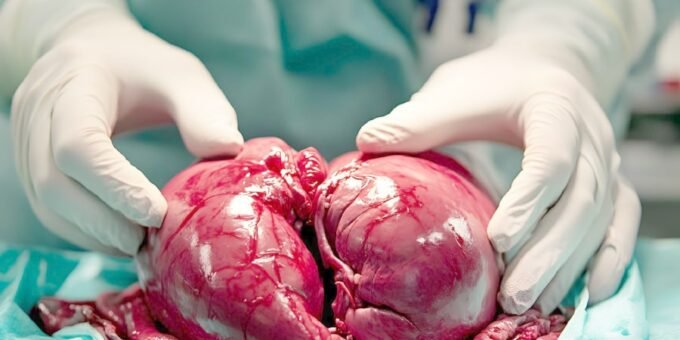
Gallstones are hardened deposits of digestive fluid (bile) that form in the gallbladder a small organ located just beneath the liver. These stones can range from tiny grains to larger, golf ball–sized formations.
Interestingly, many people with gallstones don’t experience symptoms at all. But when a stone blocks a bile duct, it can trigger noticeable and sometimes severe symptoms.
1. Pain That Feels Like Indigestion or Heartburn
One of the most misleading gallstone symptoms is pain that mimics common digestive issues.
What it feels like:
- Burning sensation in the upper abdomen
- Discomfort after eating fatty or spicy food
- Pressure below the breastbone
Many women dismiss this as simple acidity or gas. However, gallstone pain often occurs after meals, especially fatty ones, when the gallbladder contracts.
Why it matters:
This type of pain may come and go, but it often signals that a gallstone is temporarily blocking bile flow. Over time, these episodes can become more frequent and severe.
2. Unusual Back, Shoulder, or Chest Pain.
What it feels like:
- Pain between shoulder blades
- Right shoulder discomfort
- Chest pain that feels like a heart issue
This is called referred pain, where the brain misinterprets signals from the gallbladder. Women are more likely to experience this type of pain and may confuse it with muscle strain or even heart problems.
Why it matters:
Because it mimics other conditions, this symptom is often ignored or misdiagnosed, delaying proper treatment.
3. Persistent Nausea, Bloating, and Loss of Appetite
Digestive discomfort is another subtle but important sign.
What it feels like:
- Frequent nausea (especially after meals)
- Excessive gas or bloating
- Feeling full quickly
- Reduced appetite
These symptoms may seem harmless, but they can indicate that bile flow is disrupted, affecting digestion especially of fats.
Why it matters:
Chronic digestive issues without a clear cause should never be ignored. They may point to underlying gallbladder dysfunction.
4. Yellowing of Skin or Eyes
What it looks like:
- Yellow tint in eyes or skin
- Dark urine
- Pale stools
Jaundice occurs when a gallstone blocks the bile duct, causing bile to build up in the bloodstream.
Why it matters:
This could indicate complications like infection or bile duct obstruction, which can become life-threatening if untreated.
Why Women Are at Higher Risk
Several factors increase the likelihood of gallstones in women:
- Hormonal changes (estrogen increases cholesterol in bile)
- Pregnancy
- Use of birth control pills or hormone therapy
- Rapid weight loss or obesity
These risk factors make it even more important for women to recognize early symptoms and seek timely care.
When Should You See a Doctor?
You should consult a healthcare professional if you experience:
- Repeated abdominal or digestive pain
- Pain lasting more than a few hours
- Fever with chills
- Yellowing of skin or eyes
Severe symptoms may indicate complications such as gallbladder inflammation (cholecystitis) or pancreatitis, both of which require urgent treatment.
Final Thoughts
Gallstones are often silent but when symptoms appear, they shouldn’t be ignored. For women, the signs can be especially confusing, ranging from mild indigestion to unexplained shoulder pain.








Leave a comment