



Women Face Higher Heart Attack Risk Even With Less Artery Plaque New Research Reveals Hidden Danger
Heart disease has long been considered a major health concern, but recent research has uncovered a surprising and alarming fact women may face a higher risk of heart attacks even when they have less plaque build up in their arteries compared to men. This finding challenges traditional beliefs about cardiovascular risk and highlights the need for a deeper understanding of how heart disease affects women differently.
Understanding Artery Plaque and Heart Attacks
Artery plaque is a buildup of fat, cholesterol, calcium, and other substances in the walls of blood vessels. Over time, this buildup can narrow or block arteries, leading to reduced blood flow to the heart. Traditionally, doctors have used the amount of plaque as a key indicator of heart attack risk.
However, new studies suggest that plaque quantity alone does not tell the whole story especially in women.
Why Women Are at Higher Risk Despite Less Plaque
Researchers have found that women often develop a different type of plaque compared to men. Instead of large, stable blockages, women are more likely to have:
- Smaller, unstable plaques that can rupture easily
- Diffuse plaque spread rather than concentrated blockages
- Microvascular disease, affecting smaller blood vessels
These factors can trigger heart attacks even when major arteries appear less blocked in scans.
Another important factor is plaque composition. In women, plaque tends to be more prone to breaking apart. When this happens, it can form blood clots that suddenly block blood flow leading to a heart attack without warning.
The Role of Hormones and Biology
Hormonal differences, particularly involving estrogen, play a significant role in heart health. Estrogen is known to protect blood vessels, but as women age especially after menopause this protective effect declines.
This change can lead to:
- Increased inflammation
- Higher blood pressure
- Greater vulnerability of blood vessels
Additionally, women’s smaller coronary arteries may make them more susceptible to damage and dysfunction.
Symptoms of Heart Attack in Women
One of the biggest challenges in diagnosing heart attacks in women is that their symptoms often differ from the classic signs seen in men.
While chest pain is still common, women may also experience:
- Shortness of breath
- Fatigue or unusual weakness
- Nausea or vomiting
- Pain in the back, jaw, neck, or shoulders
- Dizziness or lightheadedness
These symptoms are often subtle and can be mistaken for less serious conditions, leading to delayed diagnosis and treatment.
Why This Research Matters
This new understanding highlights a critical gap in how heart disease is assessed and treated in women. Relying solely on traditional tests that measure artery blockage may not be enough.
Doctors may need to adopt more advanced diagnostic tools, such as:
- Imaging techniques that assess plaque composition
- Tests for microvascular function
- Personalized risk assessments based on gender
Recognizing these differences can lead to earlier detection and better outcomes for women.
Prevention Tips for Women
The good news is that heart disease is largely preventable with the right lifestyle choices and medical care. Here are key steps women can take to reduce their risk:
1. Maintain a Heart-Healthy Diet

Focus on fruits, vegetables, whole grains, lean protein, and healthy fats. Avoid processed foods, excess sugar, and trans fats.
2. Stay Physically Active

Aim for at least 30 minutes of moderate exercise most days of the week. Activities like walking, yoga, and cycling can significantly improve heart health.
3. Monitor Blood Pressure and Cholesterol
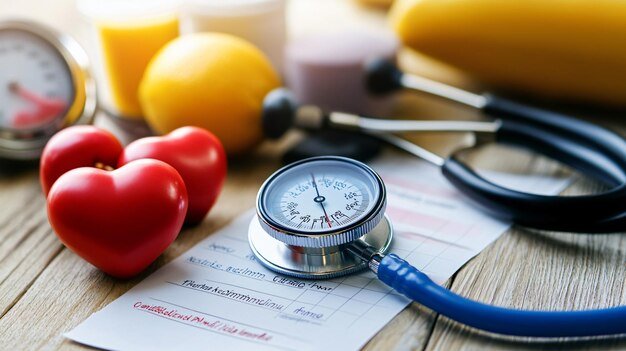
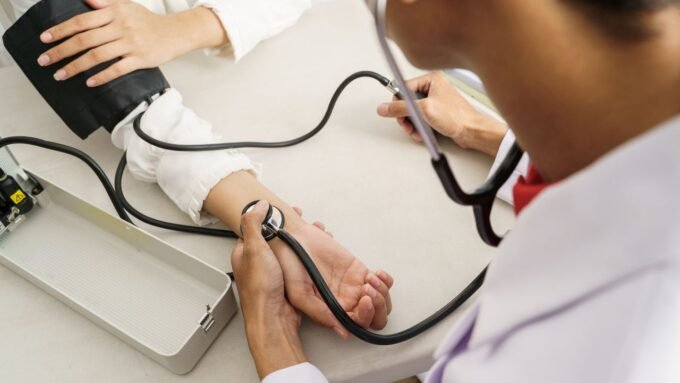
Regular health checkups are essential. Even mild elevations can increase risk over time.
4. Manage Stress

Chronic stress can negatively impact heart health. Practice relaxation techniques such as meditation or deep breathing.
5. Avoid Smoking and Limit Alcohol

Smoking is a major risk factor for heart disease. Reducing or eliminating it can dramatically improve cardiovascular health.
6. Know Your Family History

Genetics can play a role, so understanding your family’s health background is important.
When to See a Doctor
Women should not ignore unusual symptoms, even if they seem mild. Early medical attention can be life-saving. If you experience persistent fatigue, shortness of breath, or unexplained discomfort, consult a healthcare professional immediately.
Final Thoughts
This new research sheds light on a hidden danger women can be at high risk for heart attacks even without significant artery blockage. It emphasizes the importance of gender-specific approaches to heart health, better awareness, and proactive prevention.






Leave a comment