


Heart disease has long been considered a “men’s health issue,” but growing scientific evidence shows that women face unique and often underestimated cardiovascular risks. A new study highlights an important and alarming finding women may experience heart attacks even when they have lower levels of arterial plaque compared to men.
This discovery challenges traditional assumptions about heart disease diagnosis and prevention. It also underscores the urgent need for better awareness, early detection, and gender-specific treatment strategies.
In this article, we explore why women are at higher risk, how plaque affects arteries, warning signs to watch for, and preventive steps every woman should take.
Understanding Artery Plaque and Heart Attacks
Heart attacks usually occur due to a condition called atherosclerosis. This happens when fatty deposits, cholesterol, and inflammatory cells accumulate inside artery walls, forming plaque. Over time, plaque narrows the arteries and reduces blood flow to the heart.
Traditionally, doctors believed that the more plaque a person had, the greater the heart attack risk. However, new evidence suggests that plaque characteristics and biological differences between men and women matter just as much as plaque volume.
Why Women Face Heart Attacks With Less Plaque
Research shows that women often develop different types of plaque than men. Instead of large, obstructive blockages, women are more likely to have:
- Smaller plaque buildup
- Diffuse narrowing of arteries
- Plaque erosion rather than rupture
- Microvascular dysfunction (problems in smaller blood vessels)
This means women may have significant heart risk even if traditional imaging tests show only mild blockages.
Hormonal Influence
Estrogen plays a protective role in heart health before menopause. After menopause, estrogen levels drop, increasing inflammation and plaque instability.
Smaller Arteries
Women naturally have smaller coronary arteries than men. Even minor plaque buildup can significantly reduce blood flow.
Underdiagnosis
Women’s symptoms are often atypical, leading to delayed diagnosis and treatment. Many women are told their symptoms are anxiety-related rather than cardiac-related.
Common Heart Attack Symptoms in Women
Unlike men, who typically experience severe chest pain, women may show subtle warning signs, such as:
- Pressure or tightness in the chest
- Shortness of breath
- Jaw, neck, or back pain
- Nausea or vomiting
- Extreme fatigue
- Dizziness or lightheadedness
Key Risk Factors for Women
While classic risk factors apply to both genders, certain conditions increase women’s vulnerability:
- Diabetes – Raises heart attack risk more in women than men.
- High Blood Pressure – Especially after menopause.
- Smoking – More harmful to female arteries.
- Obesity and Sedentary Lifestyle
- Autoimmune Diseases – Such as lupus or rheumatoid arthritis.
- Pregnancy Complications – Including preeclampsia or gestational diabetes.
- Polycystic Ovary Syndrome (PCOS)
Mental stress and depression also impact women’s heart health significantly.
Why Traditional Tests May Miss Risk in Women
Standard stress tests and angiograms primarily detect major blockages. Since women often have:
- Microvascular disease
- Diffuse narrowing
- Plaque erosion
These may not always show up clearly on conventional tests.
Advanced imaging tools such as coronary CT angiography and intravascular imaging can sometimes detect subtle plaque patterns that traditional methods miss.
Prevention Strategies for Women
The good news is that heart disease is largely preventable with proactive lifestyle changes and early screening.
1. Monitor Blood Pressure and Cholesterol
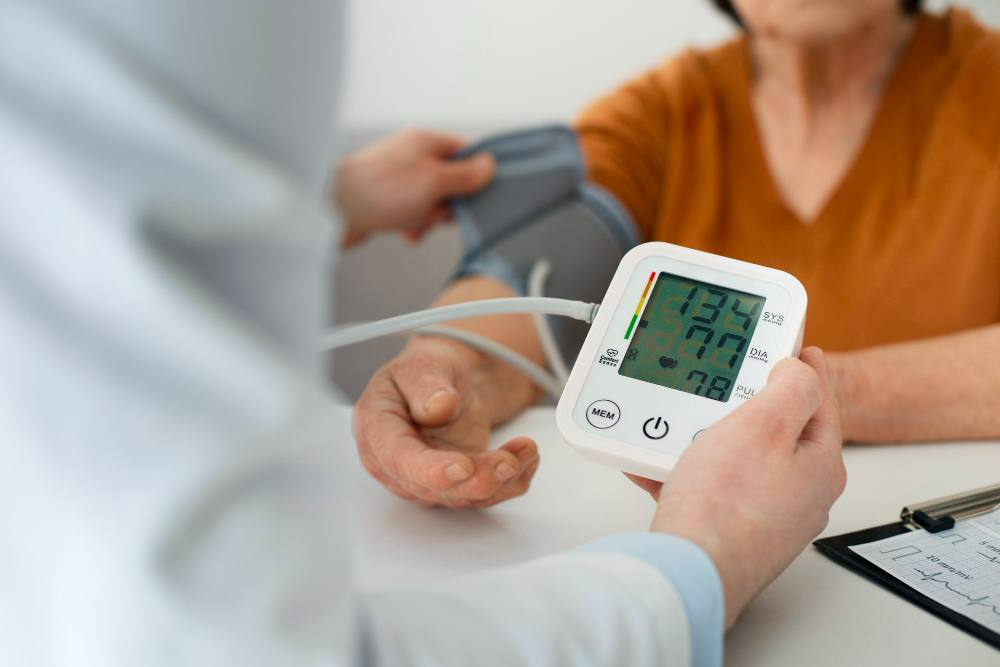
Regular health check-ups help detect silent risk factors.
2. Maintain a Heart-Healthy Diet

Focus on:
- Fruits and vegetables
- Whole grains
- Healthy fats (olive oil, nuts)
- Lean protein
- Reduced salt and sugar intake
3. Exercise Regularly

At least 150 minutes of moderate activity per week improves heart function and circulation.
4. Manage Stress

Yoga, meditation, and proper sleep reduce inflammation and improve cardiovascular health.
5. Quit Smoking

Smoking significantly damages blood vessels and accelerates plaque formation.
6. Know Your Family History

Genetic risk plays an important role.
The Importance of Early Awareness
Heart disease is the leading cause of death among women globally. Despite this, awareness remains lower compared to breast cancer or other conditions.
Understanding that women can suffer heart attacks even with lower plaque levels shifts the focus from just measuring blockage to evaluating overall vascular health.
Doctors and researchers are now calling for:
- Gender-specific diagnostic guidelines
- Better screening tools
- Increased public awareness campaigns
- More research focused on women’s cardiovascular health
When to Seek Immediate Help
Call emergency services if you experience:
- Chest pressure lasting more than a few minutes
- Sudden shortness of breath
- Unexplained sweating
- Pain spreading to arm, jaw, or back
- Sudden fatigue or fainting
Never ignore symptoms, even if tests previously showed mild plaque buildup.
Final Thoughts
The idea that “less plaque equals lower risk” does not always apply to women. Biological differences, hormonal changes, and unique plaque characteristics mean women may face serious cardiovascular events even when artery blockages appear minimal.
Early screening, symptom awareness, and lifestyle changes can significantly reduce heart attack risk.
Women must prioritize heart health, advocate for thorough evaluations, and never dismiss unusual symptoms.
Disclaimer: This article is for informational purposes only. Always consult a qualified healthcare professional for diagnosis, treatment, and medical advice.











Leave a comment