


Mouth ulcers are small, painful sores that develop inside the mouth, on the tongue, inner cheeks, lips, or gums. Though they are usually harmless, they can cause significant discomfort while eating, drinking, or speaking. Many people experience mouth ulcers at least once in their lifetime. Understanding why mouth ulcers occur and how to treat them can help reduce pain and prevent future outbreaks.
What Are Mouth Ulcers?
Mouth ulcers, also known as canker sores, are shallow lesions that appear inside the mouth. Unlike cold sores, they are not contagious and do not occur on the outside of the lips. They typically heal within 7 to 14 days without leaving scars.
There are three main types:
- Minor ulcers (most common, small and heal quickly)
- Major ulcers (larger and deeper, may take longer to heal)
- Herpetiform ulcers (multiple tiny ulcers that appear in clusters)
Common Causes of Mouth Ulcers
Mouth ulcers can develop due to several reasons. Sometimes the exact cause is unclear, but the following factors are commonly linked:
1. Minor Injuries

Accidentally biting your cheek, brushing too hard, dental braces, or sharp teeth can damage the delicate lining of the mouth, leading to ulcers.
2. Stress and Hormonal Changes

Emotional stress and hormonal fluctuations, especially in women during menstruation, can trigger mouth ulcers.
3. Nutritional Deficiencies

A lack of essential nutrients such as:
- Vitamin B12
- Iron
- Folic acid
can increase the risk of developing mouth sores.
4. Food Sensitivities

Spicy, acidic, or salty foods may irritate the mouth lining and cause ulcers in sensitive individuals.
5. Medical Conditions

Certain health conditions can also cause recurring mouth ulcers, including:
- Celiac disease
- Crohn’s disease
- Behcet’s disease
If ulcers are frequent, severe, or long-lasting, medical evaluation is important.
Symptoms of Mouth Ulcers
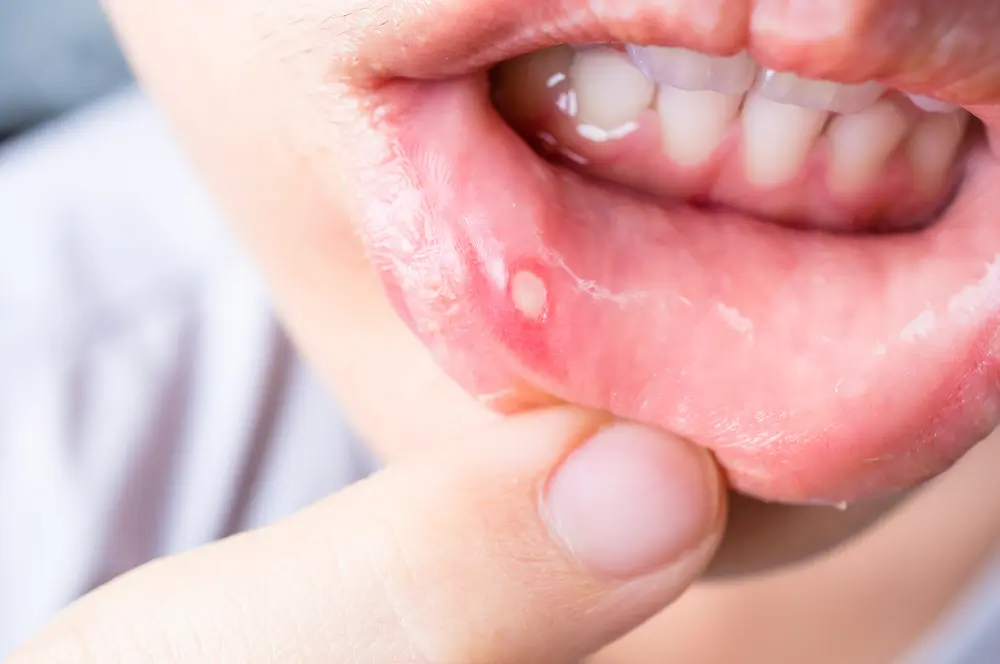
Mouth ulcers usually appear as round or oval sores with:
- A white, yellow, or grey center
- A red, inflamed border
- Burning or tingling sensation before they appear
- Pain while eating or drinking
Severe cases may also cause mild fever or swollen lymph nodes.
Treatment Options for Mouth Ulcers
Most mouth ulcers heal naturally within two weeks. However, treatment can reduce pain and speed up healing.
1. Home Remedies

- Rinse with warm salt water
- Apply honey for its natural antibacterial properties
- Use coconut oil to reduce inflammation
- Avoid spicy and acidic foods
2. Over-the-Counter Medications

- Antiseptic mouthwashes
- Pain-relieving gels
- Protective pastes that cover the ulcer
These products help reduce irritation and promote faster healing.
3. Nutritional Supplements

If ulcers are caused by vitamin deficiencies, doctors may recommend:
- Vitamin B12 supplements
- Iron tablets
- Folic acid
4. Prescription Treatments

For severe or recurring ulcers, a doctor may prescribe:
- Steroid mouth rinses
- Anti-inflammatory medications
- Treatment for underlying medical conditions
When to See a Doctor
You should consult a healthcare professional if:
- Ulcers last longer than three weeks
- They are unusually large or painful
- You have frequent outbreaks
- You experience difficulty eating or drinking
- Ulcers are accompanied by high fever
Persistent mouth ulcers could signal an underlying health issue that requires medical attention.
How to Prevent Mouth Ulcers
Prevention focuses on reducing triggers and maintaining oral health:
- Use a soft-bristled toothbrush
- Maintain proper oral hygiene
- Manage stress through relaxation techniques
- Eat a balanced diet rich in vitamins and minerals
- Stay hydrated
- Avoid foods that trigger irritation
Regular dental check-ups can also help identify potential causes such as sharp teeth or ill-fitting dental appliances.
Final Thoughts
Mouth ulcers are common and usually harmless, but they can be uncomfortable and disruptive. Minor injuries, stress, nutritional deficiencies, and certain medical conditions are common causes. Most ulcers heal on their own, but proper care and treatment can provide relief and speed up recovery.
If mouth ulcers become frequent or severe, it is important to seek medical advice to rule out underlying health conditions. With the right prevention strategies and timely treatment, you can reduce the risk of recurrence and maintain better oral health.
Disclaimer: This article is for informational purposes only. Always consult a qualified healthcare professional before starting any treatment or medication. Thank You!







Leave a comment