


Introduction
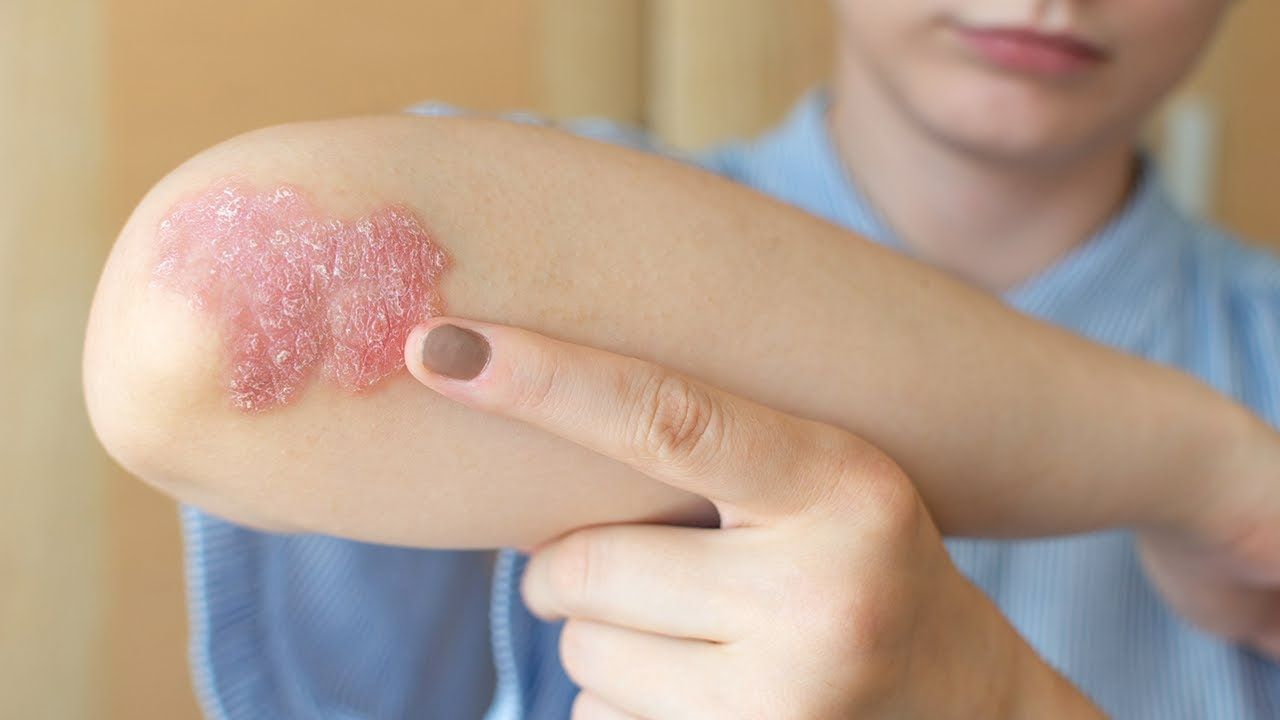
Skin infections are one of the most common health problems affecting people of all ages. From mild rashes to serious bacterial conditions, these infections can vary widely in severity. Understanding how skin infections develop, their symptoms, and how to treat and prevent them is essential for maintaining healthy skin.
Skin infections occur when harmful microorganisms such as bacteria, viruses, fungi, or parasites enter the body through cuts, wounds, or weakened skin barriers. While many infections are mild and treatable, some can become serious if ignored.
What Are Skin Infections?
A skin infection happens when germs invade the skin and multiply, triggering a reaction from the body. These infections may affect the outer layer of the skin or penetrate deeper into tissues.
According to medical experts, infectious diseases are caused by microorganisms like bacteria, viruses, fungi, and parasites, many of which can affect the skin directly.
Types of Skin Infections
1. Bacterial Skin Infections
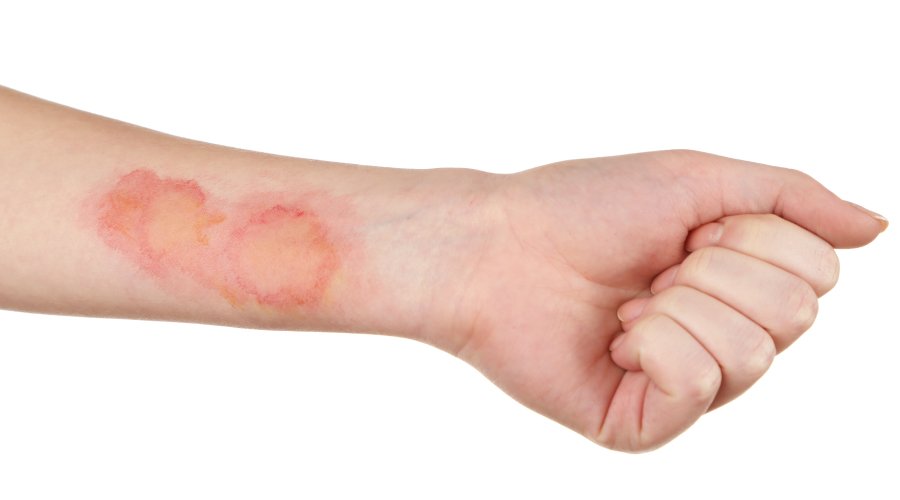
Common bacterial infections include:
- Cellulitis
- Impetigo
- Boils
For example, cellulitis is a serious infection where bacteria enter through broken skin, causing redness, swelling, and pain.
2. Viral Skin Infections
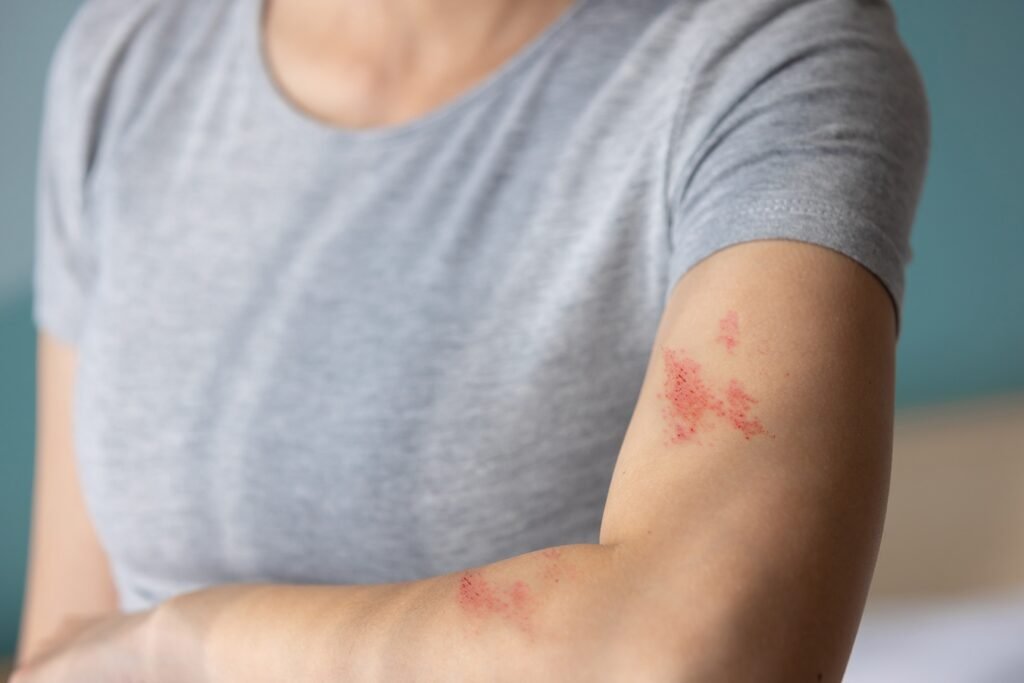
These include:
- Warts
- Herpes simplex
- Molluscum contagiosum
Viral infections often spread through direct contact or shared items.
3. Fungal Skin Infections
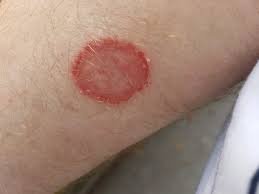
Examples include:
- Ringworm
- Athlete’s foot
- Yeast infections
Fungi thrive in warm, moist environments, making these infections common in sweaty areas.
4. Parasitic Skin Infections
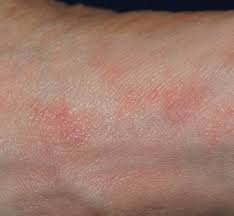
These are caused by parasites like:
- Scabies mites
- Lice
They usually spread through close contact.
Common Symptoms of Skin Infections
Symptoms may vary depending on the type of infection, but common signs include:
- Redness and inflammation
- Swelling
- Pain or tenderness
- Itching or irritation
- Blisters or pus-filled lesions
- Warm skin around the affected area
- Fever in severe cases
In infections like cellulitis, the skin may become swollen, warm, and painful, sometimes accompanied by fever.
Causes and Risk Factors
Skin infections occur when germs enter the body through:
- Cuts, wounds, or insect bites
- Surgical incisions
- Dry or cracked skin
- Poor hygiene
- Weak immune system
Certain conditions increase the risk, including:
- Diabetes
- Obesity
- Poor circulation
- Excess sweating
- Skin conditions like eczema
Even everyday bacteria present on the skin can cause infection if they enter deeper tissues.
How Skin Infections Spread
Skin infections can spread through:
- Direct contact with infected skin
- Sharing personal items like towels or razors
- Contaminated surfaces
- Close physical contact
- Poor wound care
Some infections, like viral skin conditions, can also spread through skin-to-skin contact or contaminated objects.
Diagnosis of Skin Infections
Doctors typically diagnose skin infections by:
- Physical examination
- Reviewing symptoms
- Laboratory tests (if needed)
- Swab or culture of infected skin
Early diagnosis is important to prevent complications and ensure proper treatment.
Treatment Options
1. Medications
Treatment depends on the cause:
- Antibiotics for bacterial infections
- Antifungal creams for fungal infections
- Antiviral drugs for viral infections
For example, bacterial infections like staph infections are commonly treated with antibiotics.
2. Home Care
Mild infections can be managed by:
- Keeping the area clean
- Applying prescribed creams
- Avoiding scratching
- Using warm compresses
3. Medical Procedures
In severe cases:
- Drainage of abscesses
- Hospital treatment
- Intravenous medications
Possible Complications
If untreated, skin infections can lead to:
- Spread to deeper tissues
- Blood infections (sepsis)
- Permanent skin damage or scarring
- Recurring infections
Serious infections like untreated cellulitis can spread to lymph nodes or bloodstream.
Prevention Tips
Preventing skin infections is easier than treating them. Here are key steps:
1. Maintain Good Hygiene
- Wash hands regularly
- Bathe daily
- Keep skin clean and dry
2. Protect Your Skin
- Cover cuts and wounds
- Avoid picking at scabs
- Use moisturizers to prevent cracks
3. Avoid Sharing Personal Items
- Towels
- Razors
- Clothing
4. Practice Safe Habits
- Wear clean clothes
- Avoid contact with infected individuals
- Use footwear in public areas
Handwashing is one of the most effective ways to prevent infections.
When to See a Doctor
Seek medical attention if you notice:
- Rapidly spreading redness
- Severe pain or swelling
- Fever with skin symptoms
- Pus or discharge
- No improvement with home treatment
Early treatment can prevent complications and speed up recovery.
Conclusion
Skin infections are common but manageable with the right knowledge and care. Recognizing symptoms early, maintaining good hygiene, and seeking timely medical advice can prevent minor issues from becoming serious health concerns.















Leave a comment