


Psoriasis is a chronic autoimmune skin disorder that affects millions of people worldwide. Characterized by red, scaly patches and persistent inflammation, the condition has long been linked to immune system dysfunction. However, a recent scientific discovery has uncovered a surprising new factor behind psoriasis a hidden sugar layer in the skin that may play a crucial role in triggering inflammation.
This breakthrough could open doors to innovative treatments and provide deeper insight into how psoriasis develops at the molecular level.
What Is Psoriasis?
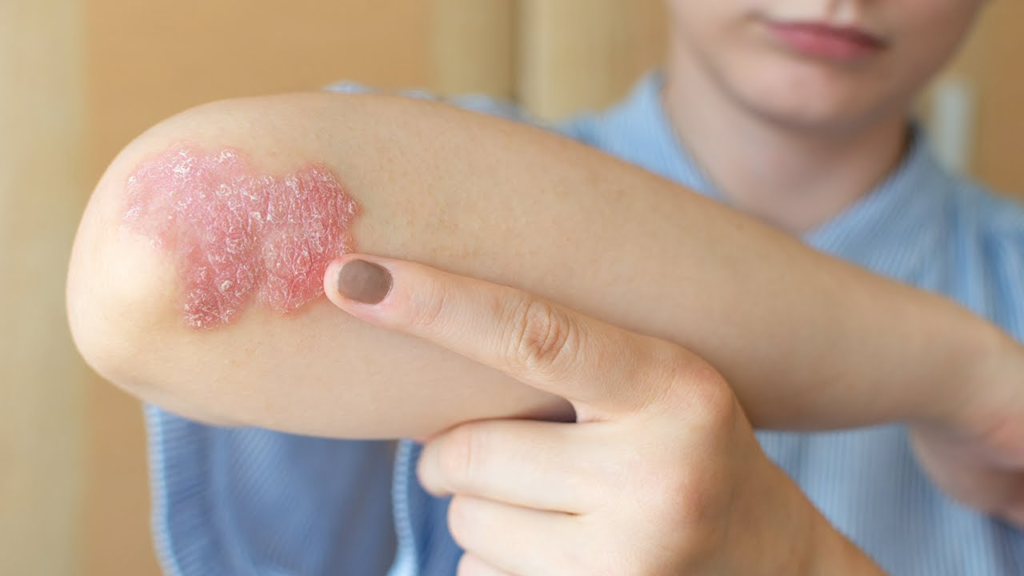
Psoriasis occurs when the immune system mistakenly attacks healthy skin cells, accelerating their life cycle. Instead of shedding normally, skin cells build up on the surface, forming thick plaques. According to health organizations like the World Health Organization, psoriasis is a non-contagious, chronic disease that significantly impacts quality of life.
Common symptoms include:
- Red patches of inflamed skin
- Silvery-white scales
- Itching and burning sensation
- Cracked or bleeding skin
- Joint pain (in psoriatic arthritis cases)
Until now, research has primarily focused on immune cells and genetic factors. But scientists have discovered another key piece of the puzzle.
The Hidden Sugar Layer: What Researchers Found
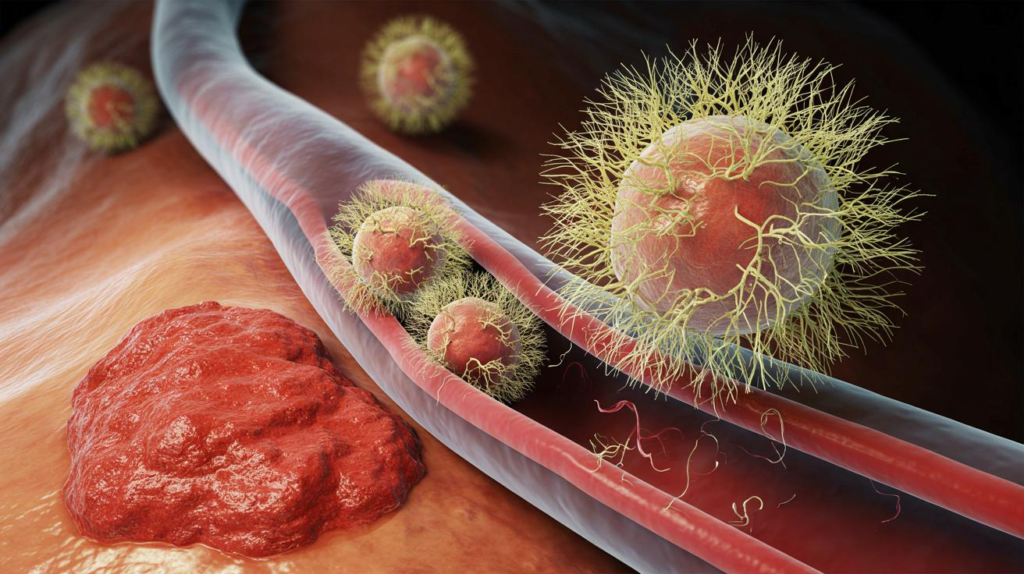
In a ground breaking study, researchers identified an abnormal glycocalyx layer a thin coating made of sugar molecules on the surface of skin cells in psoriasis patients. This sugar layer acts as a protective and communicative barrier between cells and their environment.
In healthy skin, the glycocalyx helps regulate immune responses and maintain balance. However, in people with psoriasis, this sugar layer appears altered or damaged, leading to:
- Increased immune activation
- Heightened inflammation
- Disrupted skin barrier function
- Overproduction of skin cells
Scientists believe this hidden sugar coating may send incorrect signals to the immune system, essentially “triggering” the inflammatory cascade seen in psoriasis.
Why This Discovery Matters
This finding is significant because it shifts the focus from just immune cells to the skin’s structural components. If the sugar layer is defective, it may explain why inflammation starts and persists.
Here’s why this matters:
1. New Treatment Targets
Current psoriasis treatments aim to suppress the immune system. Understanding the glycocalyx could help scientists develop therapies that repair or protect this sugar layer instead of only controlling immune reactions.
2. Early Detection Possibilities
If sugar layer changes occur before visible symptoms, doctors may eventually detect psoriasis earlier.
3. Personalized Medicine
This research may allow doctors to categorize psoriasis patients based on molecular differences, leading to more tailored therapies.
How Psoriasis Is Currently Treated
While there is no cure yet, several treatments help manage symptoms:
- Topical corticosteroids
- Vitamin D analog creams
- Phototherapy
- Biologic drugs targeting immune pathways
- Lifestyle modifications such as stress management and diet control
Biologic therapies have significantly improved outcomes by targeting inflammatory proteins like TNF-alpha and interleukins. However, these treatments can be expensive and may suppress the immune system broadly.
The new sugar-layer discovery may lead to safer, more precise treatment options in the future.
The Role of Inflammation and Skin Barrier Health
Healthy skin acts as a protective shield against bacteria, allergens, and environmental toxins. When the sugar layer becomes abnormal, the skin barrier weakens. This may allow external triggers to worsen immune responses.
Factors known to trigger psoriasis flare-ups include:
- Stress
- Infections
- Skin injuries
- Smoking
- Alcohol consumption
- Certain medications
Understanding the sugar layer’s role could also explain why flare-ups happen after infections or injuries.
Future Research and Clinical Implications
Researchers are now investigating:
- Whether repairing the glycocalyx can reduce inflammation
- If certain diets influence sugar molecule production
- How this discovery connects with gut microbiome research
- Whether similar sugar-layer abnormalities exist in other autoimmune diseases
If confirmed through larger clinical trials, this breakthrough could redefine how dermatologists approach psoriasis care.
What Patients Should Know
If you or someone you know is living with psoriasis:
- Do not ignore persistent skin symptoms
- Seek early dermatological consultation
- Follow prescribed treatment consistently
- Maintain a healthy lifestyle
- Manage stress effectively
Scientific advancements like this offer hope, but patients should continue current treatments unless advised otherwise by a qualified healthcare professional.
Conclusion
The discovery of a hidden sugar layer behind psoriasis marks a major step forward in dermatology research. By identifying how molecular sugar coatings influence immune responses, scientists may unlock new ways to prevent and treat this chronic condition.
Always consult a qualified doctor or healthcare professional before starting any medication, remedy, diet, exercise, or treatment mentioned on this site. Thank you!














Leave a comment