


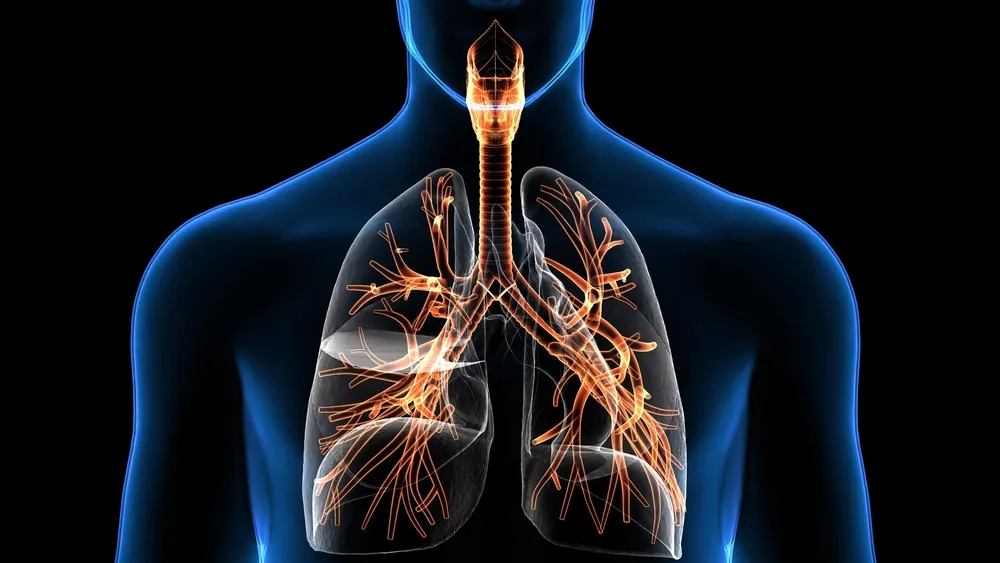
Lung problems are becoming increasingly common due to pollution, smoking, infections, and unhealthy lifestyles. Healthy lungs are essential for proper breathing and oxygen supply to the body. When lung function is affected, it can lead to serious respiratory conditions that impact overall health.
In this detailed guide, we will explore common lung problems, their symptoms, causes, prevention strategies, and treatment options to help you maintain strong respiratory health.
Common Types of Lung Problems
1. Asthma
Asthma is a chronic condition that causes inflammation and narrowing of the airways.
Symptoms:
- Shortness of breath
- Wheezing
- Chest tightness
- Coughing (especially at night)
Causes:
- Allergies
- Pollution
- Cold air
- Exercise
- Smoke exposure
Treatment: Inhalers, bronchodilators, and avoiding triggers.
2. Chronic Obstructive Pulmonary Disease (COPD)
Chronic Obstructive Pulmonary Disease (COPD) is a progressive lung disease that makes breathing difficult. It includes conditions like chronic bronchitis and emphysema.
Symptoms:
- Persistent cough
- Mucus production
- Breathlessness
- Fatigue
Main Cause: Smoking is the leading cause.
Treatment: Quitting smoking, oxygen therapy, medications, pulmonary rehabilitation.
3. Pneumonia
Pneumonia is a lung infection caused by bacteria, viruses, or fungi.
Symptoms:
- Fever
- Chills
- Chest pain
- Cough with phlegm
- Difficulty breathing
Treatment: Antibiotics (for bacterial pneumonia), rest, hydration.
4. Tuberculosis (TB)
Tuberculosis is a contagious bacterial infection that mainly affects the lungs.
Symptoms:
- Long-term cough (more than 3 weeks)
- Weight loss
- Night sweats
- Blood in sputum
Treatment: Long-term antibiotic therapy (usually 6–9 months).
5. Lung Cancer
Lung cancer is one of the most serious lung diseases and is often linked to smoking.
Symptoms:
- Persistent cough
- Chest pain
- Coughing blood
- Unexplained weight loss
- Hoarseness
Risk Factors:
- Smoking
- Air pollution
- Exposure to harmful chemicals
- Family history
Treatment: Surgery, chemotherapy, radiation therapy, targeted therapy.
Major Causes of Lung Problems
- Smoking: The number one cause of lung disease.
- Air Pollution: Dust, smoke, and toxic gases damage lung tissues.
- Infections: Viral and bacterial infections affect breathing.
- Allergies: Trigger asthma and other respiratory issues.
- Occupational Hazards: Exposure to chemicals, asbestos, and dust.
In cities with high pollution levels, respiratory diseases are increasing rapidly.
Early Warning Signs of Lung Problems
You should consult a doctor if you experience:
- Shortness of breath during daily activities
- Persistent cough for more than 2–3 weeks
- Wheezing
- Chest pain
- Frequent respiratory infections
- Coughing blood
Early diagnosis improves treatment outcomes and prevents complications.
How to Keep Your Lungs Healthy
1. Quit Smoking
Avoid tobacco completely. Even passive smoking can damage lungs.
2. Avoid Air Pollution
- Wear masks in polluted areas
- Use air purifiers indoors
- Avoid outdoor exercise during heavy pollution
3. Exercise Regularly
Breathing exercises, yoga, and walking improve lung capacity.
4. Maintain a Healthy Diet
Eat antioxidant-rich foods like:
- Fruits (oranges, berries)
- Green leafy vegetables
- Nuts and seeds
5. Vaccination
Vaccines for flu and pneumonia reduce infection risk.
Diagnosis of Lung Problems
Doctors may recommend:
- Chest X-ray
- CT scan
- Spirometry test
- Blood tests
- Sputum test
These tests help detect lung damage and identify infections early.
Treatment Options for Lung Diseases
Treatment depends on the condition:
- Medications: Antibiotics, bronchodilators, steroids
- Oxygen Therapy: For severe breathing problems
- Pulmonary Rehabilitation: Exercise and breathing training
- Surgery: In advanced cases (like lung cancer)
Never self-medicate; always consult a healthcare professional.
When to Seek Emergency Help
Get immediate medical attention if you experience:
- Severe breathing difficulty
- Blue lips or fingernails
- High fever with chest pain
- Sudden confusion
These can indicate a serious lung condition.
Conclusion
Lung problems can range from mild infections to life-threatening diseases like lung cancer and COPD. Early detection, healthy lifestyle habits, and avoiding smoking are the best ways to protect your lungs.
Maintaining clean air, eating nutritious food, exercising regularly, and attending regular health checkups can significantly reduce the risk of respiratory diseases.








Leave a comment