


Healthy Food in a Healthy Lifestyle: A Complete Guide to Better Living
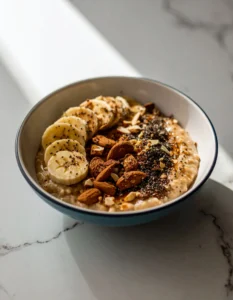
In today’s fast-paced world, maintaining a healthy lifestyle has become more important than ever. One of the most essential pillars of a healthy lifestyle is healthy food. What we eat directly affects our physical health, mental well-being, energy levels, and overall quality of life. Healthy eating is not about strict dieting or giving up your favorite foods; instead, it is about making smart food choices and building sustainable habits.
This article explains the importance of healthy food in a healthy lifestyle, the benefits of balanced nutrition, and practical tips to improve your daily eating habits.
Importance of Healthy Food in a Healthy Lifestyle
Healthy food provides the body with essential nutrients such as vitamins, minerals, proteins, carbohydrates, fats, and fiber. These nutrients help our body function properly, repair tissues, build muscles, and maintain strong immunity.
A healthy lifestyle depends largely on what we consume daily. Eating processed foods, sugary drinks, and fast food regularly can lead to obesity, diabetes, heart disease, and other chronic illnesses. On the other hand, consuming fresh fruits, vegetables, whole grains, and lean proteins strengthens the body and reduces the risk of diseases.
Healthy food supports:
-
Strong immune system
-
Better digestion
-
Improved brain function
-
Healthy weight management
-
Increased energy levels
-
Long-term disease prevention
Therefore, healthy eating is not just a choice; it is a necessity for a balanced and fulfilling life.
Components of a Healthy Diet
To maintain a healthy lifestyle, your daily diet should include a balance of the following components:
1. Fruits and Vegetables
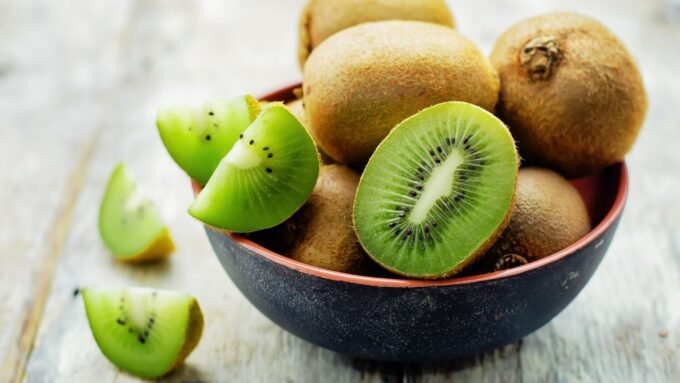
Fruits and vegetables are rich in vitamins, minerals, antioxidants, and fiber. They help protect the body from harmful toxins and improve digestion. Experts recommend consuming at least five portions of fruits and vegetables daily.
Leafy greens, carrots, tomatoes, apples, bananas, berries, and citrus fruits are excellent options for daily meals.
2. Whole Grains
Whole grains such as brown rice, oats, whole wheat, and quinoa provide complex carbohydrates and fiber. They help maintain steady blood sugar levels and keep you full for longer periods.
Replacing refined grains with whole grains is a simple but powerful step toward healthy eating.
3. Lean Proteins
Protein is essential for muscle growth, tissue repair, and overall body function. Healthy protein sources include eggs, fish, chicken, beans, lentils, tofu, and nuts.
Including protein in every meal helps maintain energy and supports weight management.
4. Healthy Fats
Not all fats are harmful. Healthy fats found in olive oil, avocados, seeds, and nuts are beneficial for heart health and brain function. However, unhealthy trans fats and excessive saturated fats should be avoided.
5. Adequate Hydration
Water plays a crucial role in digestion, circulation, and temperature regulation. Drinking 6–8 glasses of water daily supports overall health and prevents dehydration.
Benefits of Healthy Eating
1. Maintains Healthy Body Weight
Healthy food helps control calorie intake and prevents excessive weight gain. Balanced meals reduce cravings and prevent overeating.
2. Boosts Energy Levels
Nutritious foods provide sustainable energy throughout the day. Unlike sugary snacks, healthy meals prevent sudden energy crashes.
3. Improves Mental Health
There is a strong connection between diet and mental health. A balanced diet improves mood, concentration, and memory while reducing stress and anxiety.
4. Strengthens Immunity
Vitamins and minerals found in healthy foods strengthen the immune system, helping the body fight infections and illnesses.
5. Reduces Risk of Chronic Diseases
Healthy eating lowers the risk of heart disease, diabetes, high blood pressure, and certain cancers.
Healthy Eating Habits for Daily Life
Adopting healthy food habits does not require drastic changes. Small, consistent improvements can create long-term results.
Start with a Balanced Breakfast
Breakfast is the most important meal of the day. A healthy breakfast such as oatmeal with fruits, eggs with whole-grain toast, or yogurt with nuts provides energy and improves focus.
Control Portion Sizes
Eating moderate portions prevents overeating and supports weight management. Avoid eating until you feel overly full.
Avoid Processed and Junk Foods
Limit consumption of fast food, sugary beverages, fried items, and packaged snacks. These foods are high in calories but low in nutrients.
Plan Your Meals
Meal planning helps maintain a healthy diet and reduces the temptation to eat unhealthy foods. Preparing meals at home ensures better control over ingredients.
Eat at Regular Times
Maintaining regular meal times improves digestion and metabolism. Avoid skipping meals, especially breakfast.
Role of Physical Activity Along with Healthy Food
Healthy food alone is not enough for a healthy lifestyle. Regular physical activity complements proper nutrition. Exercise improves metabolism, strengthens muscles, enhances mood, and supports heart health.
Combining balanced nutrition with at least 30 minutes of daily physical activity ensures optimal health benefits.
Common Mistakes to Avoid
Many people misunderstand healthy eating. Here are some common mistakes:
-
Skipping meals for weight loss
-
Completely eliminating carbohydrates
-
Following extreme crash diets
-
Ignoring hydration
-
Overeating “healthy” snacks
Healthy eating should be balanced and sustainable, not extreme.
Building a Sustainable Healthy Lifestyle
Creating a healthy lifestyle requires consistency and commitment. Instead of temporary diets, focus on long-term habits:
-
Choose fresh, natural foods
-
Cook more meals at home
-
Read nutrition labels
-
Practice mindful eating
-
Get enough sleep
-
Manage stress effectively
Small changes made consistently can transform your health over time.
Conclusion
Healthy food in a healthy lifestyle is the foundation of overall well-being. It supports physical health, mental clarity, and long-term disease prevention. By incorporating fruits, vegetables, whole grains, lean proteins, and healthy fats into your daily diet, you can significantly improve your quality of life.
Remember, healthy eating is not about perfection. It is about making better choices every day. When combined with regular exercise, proper hydration, and good sleep, healthy food becomes a powerful tool for living a balanced and fulfilling life.
Start today by making one healthy change to your diet. Over time, these small steps will lead to a healthier and happier future.











Leave a comment