


Fungal toenail infection, medically known as Onychomycosis, is a common condition that affects millions of people worldwide. It often begins as a small white or yellow spot under the tip of the toenail but can gradually spread deeper, causing thickening, discoloration, crumbling edges, and even pain. Left untreated, the infection may worsen and become difficult to manage.
If you’re struggling with stubborn toenail fungus, the good news is that several effective treatments are available. Below are five proven fungal toenail treatment options that can deliver real, visible results when used correctly.
1. Oral Antifungal Medications The Most Powerful Option

Oral antifungal medications are considered one of the most effective treatments for moderate to severe fungal toenail infections. These prescription drugs work from the inside out, targeting the fungus through the bloodstream.
Commonly prescribed medications include:
- Terbinafine
- Itraconazole
How it works:
These medications help new, healthy nails grow fungus-free while gradually replacing the infected portion.
Treatment duration:
Typically 6–12 weeks, but full nail clearing may take several months as the nail grows out.
Pros:
- High success rate
- Faster visible results compared to topical treatments
Cons:
- May cause side effects such as liver issues in rare cases
- Requires doctor supervision and sometimes blood tests
This option is ideal for people with severe infections or multiple affected nails.
2. Topical Antifungal Treatments Best for Mild Cases
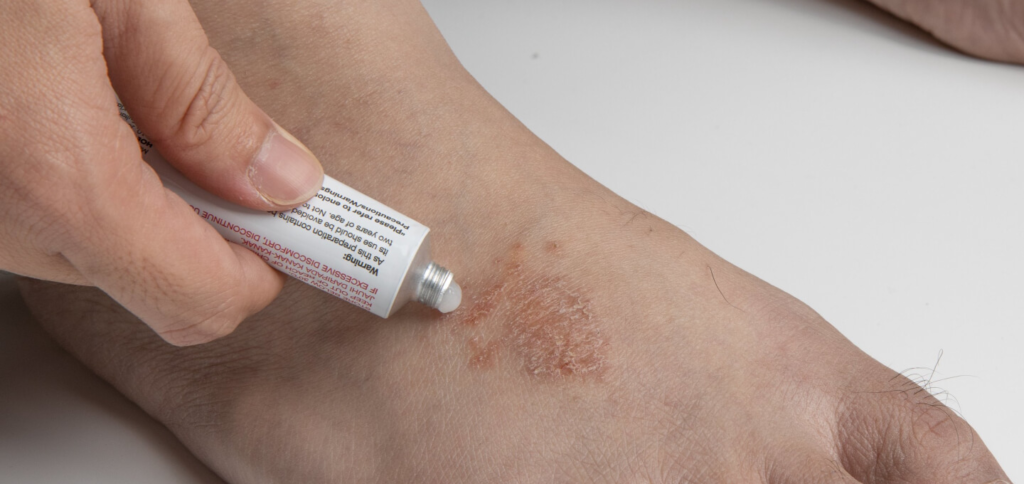
Topical treatments are applied directly to the infected nail. They are most effective when the infection is mild and has not deeply penetrated the nail bed.
Popular options include:
- Ciclopirox nail lacquer
- Efinaconazole solution
- Tavaborole
How it works:
The medication penetrates the nail surface to kill fungal cells over time.
Treatment duration:
Often requires daily application for 6–12 months.
Pros:
- Fewer systemic side effects
- Easy to apply at home
Cons:
- Slower results
- Lower success rate compared to oral medications
Consistency is key. Skipping applications can reduce effectiveness.
3. Laser Therapy A Modern, Non Invasive Approach

Laser therapy is an emerging treatment option for onychomycosis. It uses focused light energy to heat and destroy fungal organisms without damaging surrounding tissue.
How it works:
The laser beam penetrates the nail plate and targets fungal cells.
Treatment duration:
Usually 1–3 sessions, depending on severity.
Pros:
- Non-invasive
- Minimal discomfort
- No medication-related side effects
Cons:
- Can be expensive
- May require multiple sessions
- Results vary
Laser treatment is ideal for individuals who cannot take oral medications due to health concerns.
4. Surgical Nail Removal For Severe or Painful Cases
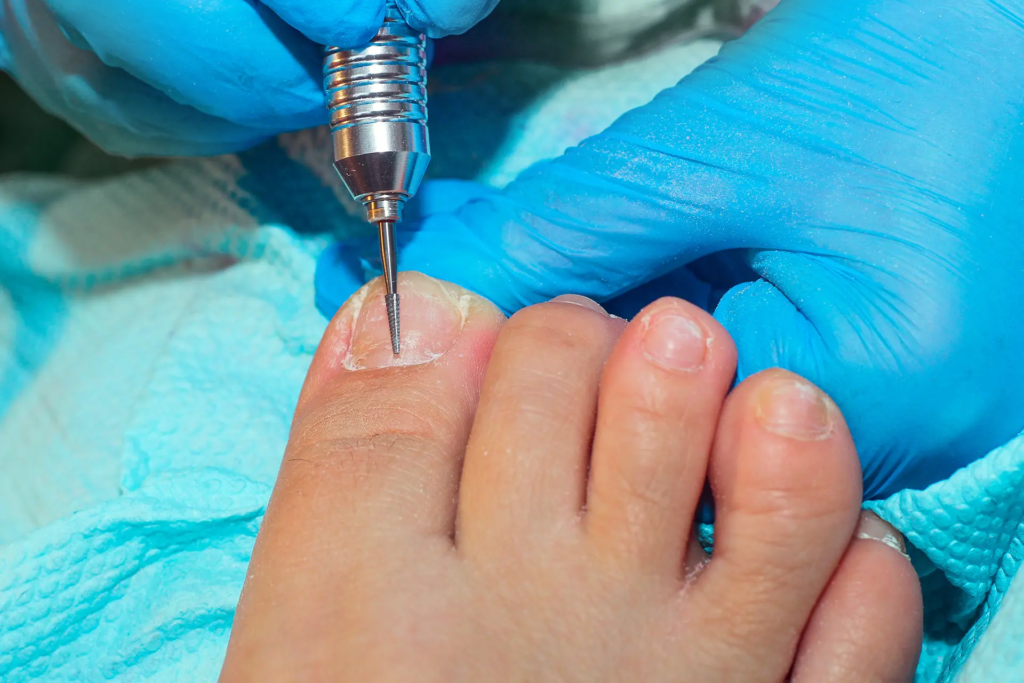
In advanced cases where the nail is extremely thick, painful, or resistant to other treatments, surgical removal may be recommended.
Types of procedures:
- Partial nail removal
- Complete nail removal
How it works:
The infected nail is removed to eliminate fungal buildup and allow healthier regrowth.
Pros:
- Immediate removal of infected tissue
- Helpful in chronic, severe infections
Cons:
- Temporary discomfort
- Recovery period required
- Risk of recurrence if underlying fungus remains
This option is generally considered when other treatments fail.
5. Home Remedies Supportive but Limited

Many people try natural remedies before seeking medical treatment. While these methods may help mild infections or prevent recurrence, they rarely cure moderate to severe fungal infections alone.
Common home remedies include:
- Tea tree oil
- Vinegar soaks
- Baking soda
- Coconut oil
Pros:
- Affordable
- Easily accessible
Cons:
- Limited scientific evidence
- Slow and inconsistent results
Home remedies work best as complementary support alongside medical treatment.
How to Prevent Fungal Toenail Infections
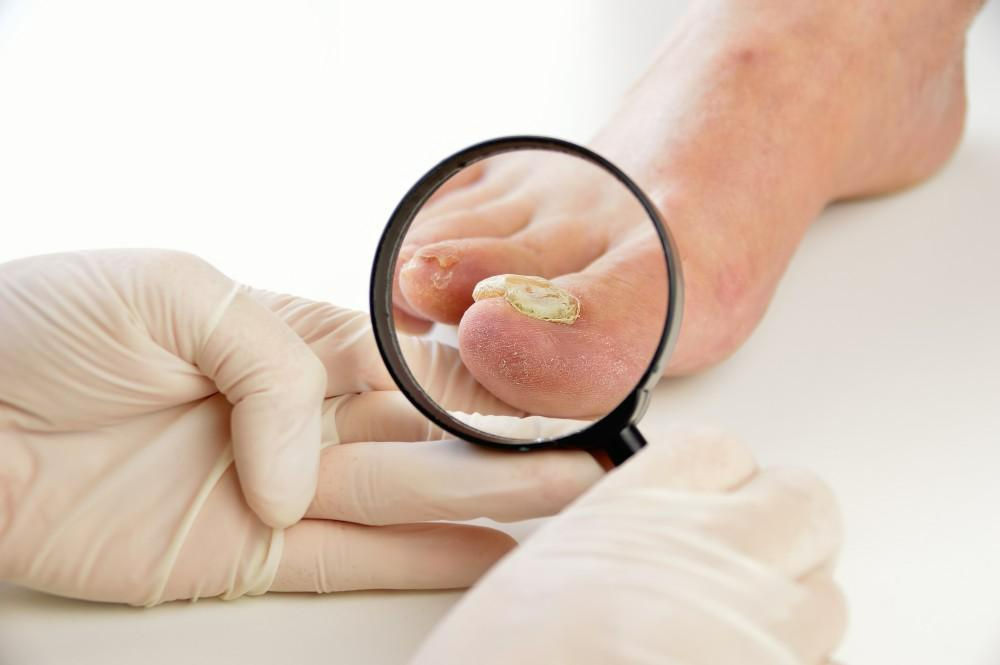
Prevention plays a crucial role in long-term success. Here are simple but effective tips:
- Keep feet clean and dry
- Wear breathable footwear
- Change socks daily
- Avoid walking barefoot in public showers or pools
- Trim nails straight and keep them short
Good hygiene significantly reduces the risk of recurrence.
When to See a Doctor
Consult a healthcare professional if:
- The infection spreads to multiple nails
- You experience pain or swelling
- You have diabetes or weakened immunity
- Over-the-counter treatments fail
Early diagnosis leads to faster, more effective treatment outcomes.
Final Thoughts
Fungal toenail infections can be stubborn, but effective treatment options are available. From oral medications and topical solutions to laser therapy and surgical removal, the right choice depends on the severity of your infection and overall health.
Always consult a qualified doctor or healthcare professional before starting any medication, remedy, diet, exercise, or treatment mentioned on this website. Thank You!








Leave a comment