


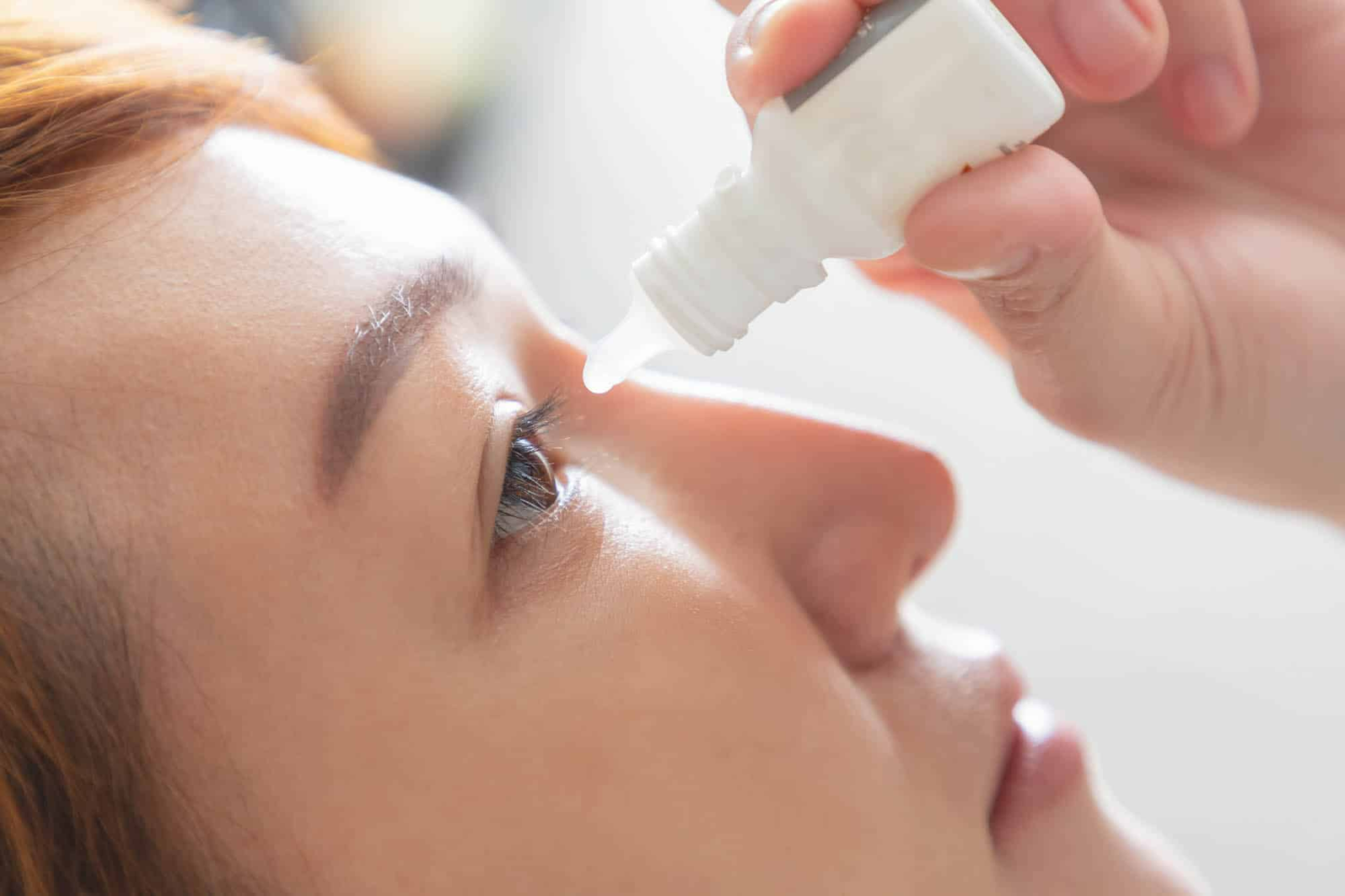
Recent clinical findings suggest that Demodex blepharitis is associated with a higher rate of bacterial co-infection. This connection highlights the importance of early diagnosis and targeted treatment to prevent persistent eye discomfort and complications.
Blepharitis is a common inflammatory condition affecting the eyelids, particularly the area where eyelashes grow. While it can result from various causes, one increasingly recognized factor is infestation by microscopic mites known as Demodex.
What Is Demodex Blepharitis?
Demodex blepharitis is a subtype of blepharitis caused by an overpopulation of Demodex mites. Two species commonly found on humans are:
- Demodex folliculorum
- Demodex brevis
These mites naturally live on human skin, especially around hair follicles and sebaceous glands. In small numbers, they are harmless. However, when their population increases significantly, they can trigger inflammation in the eyelids.
A hallmark sign of Demodex blepharitis is “cylindrical dandruff” at the base of the eyelashes. Patients may experience itching, burning, redness, and a gritty sensation in the eyes.
How Bacterial Co-Infection Develops
Research indicates that Demodex infestation can disrupt the normal balance of bacteria on the eyelids. The mites themselves may carry bacteria on their surface or inside their bodies. When mites die and decompose, they can release bacteria and inflammatory substances into surrounding tissues.
One bacterium commonly associated with eyelid infections is:
- Staphylococcus aureus
This bacterium can contribute to increased inflammation, crusting, swelling, and even recurrent styes or chalazia.
The presence of Demodex mites weakens the eyelid’s natural defense barrier. This makes it easier for bacteria to colonize and multiply, leading to co-infection. As a result, patients may experience more severe or persistent symptoms compared to those with non-Demodex blepharitis.
Why the Co-Infection Matters
The combination of mite infestation and bacterial overgrowth can:
- Prolong inflammation
- Increase eyelid redness and swelling
- Worsen dry eye symptoms
- Cause recurrent infections
- Reduce effectiveness of standard treatments
If bacterial co-infection is not addressed, patients may continue to experience symptoms despite basic eyelid hygiene.
In some cases, chronic inflammation can even affect the ocular surface, leading to blurred vision and increased sensitivity to light.
Symptoms to Watch For
Patients with Demodex blepharitis and bacterial co-infection may report:
- Persistent eyelid itching, especially in the morning
- Crusty eyelashes
- Burning sensation
- Watery or irritated eyes
- Recurrent styes
- Eyelid swelling
The itching is often more intense compared to other forms of blepharitis, as mites are more active at night.
Diagnosis and Medical Evaluation
Eye specialists diagnose Demodex blepharitis through clinical examination. They may use magnification to look for cylindrical dandruff at the base of the lashes. In some cases, eyelashes are examined under a microscope to confirm the presence of mites.
If bacterial involvement is suspected, the doctor may assess signs such as:
- Yellow crusting
- Pus formation
- Localized swelling
- Frequent recurrence
Early and accurate diagnosis is crucial because treatment approaches differ depending on whether mites, bacteria, or both are involved.
Treatment Approaches
Effective management often requires a combined strategy:
1. Lid Hygiene

Daily eyelid cleaning helps reduce mite load and bacterial buildup.
2. Tea Tree Oil-Based Treatments
Tea tree oil has been shown to reduce Demodex mites when used under medical supervision.

3. Prescription Medications

Doctors may prescribe:
- Topical antibiotics for bacterial infection
- Anti-inflammatory drops
- Specialized eyelid cleansers
4. Managing Dry Eye
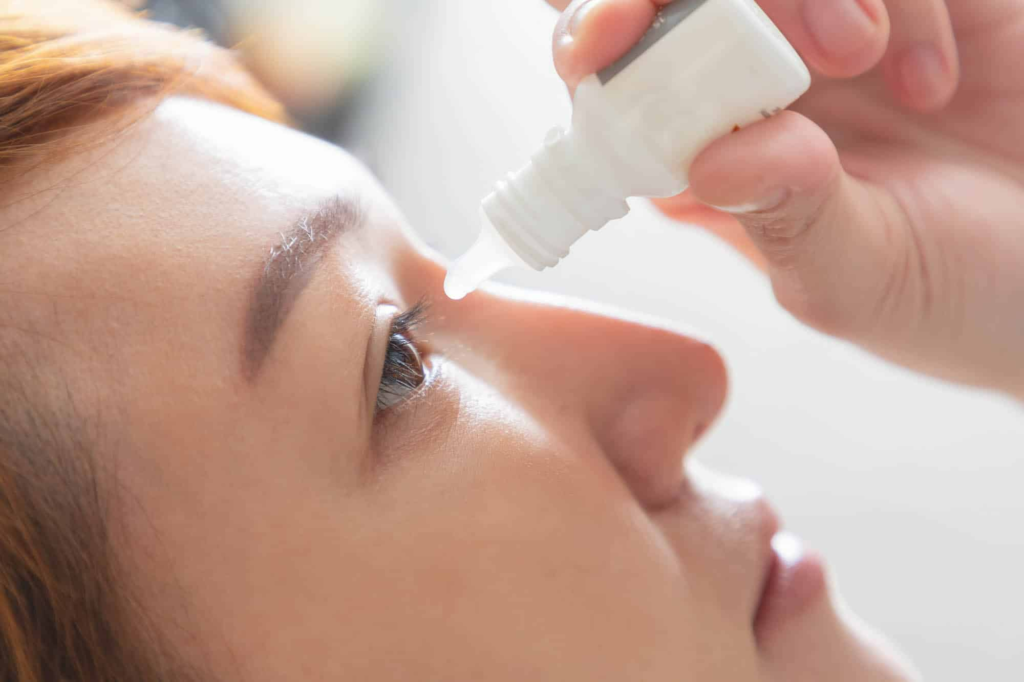
Artificial tears can help relieve associated dryness and irritation.
Because co-infection can make symptoms more stubborn, treatment may need to continue for several weeks to months.
Prevention Tips
To reduce the risk of recurrence:
- Maintain regular eyelid hygiene
- Avoid sharing eye cosmetics
- Replace old makeup products
- Remove eye makeup thoroughly before sleep
- Seek early treatment if symptoms appear
Individuals with weakened immune systems or chronic skin conditions may be at higher risk and should be especially cautious.
The Importance of Awareness
The growing recognition that Demodex blepharitis is linked to higher rates of bacterial co-infection represents an important shift in eye care. Many patients with chronic blepharitis may actually have an undiagnosed mite infestation contributing to persistent inflammation.
Understanding this connection allows healthcare providers to tailor treatment more effectively. Instead of focusing solely on bacteria, addressing both mites and microbial imbalance leads to better outcomes.
Final Thoughts
Demodex blepharitis is more than a simple eyelid irritation. Its association with bacterial co-infection can intensify symptoms and prolong recovery if not properly managed. Early diagnosis, consistent eyelid hygiene, and appropriate medical treatment are essential to protect eye health and prevent complication.
Disclaimer: Always consult a qualified doctor or healthcare professional before starting any medication, remedy, diet, exercise, or treatment mentioned on this website. Thank You !






Leave a comment