



What Are Corns?
Corns are small, thickened areas of skin that develop due to repeated pressure or friction on the feet or toes. They are a common foot problem and can become painful if not treated properly. Corns usually form on the tops and sides of toes or on the soles of the feet.
Corns are different from calluses. While both are thickened skin areas, corns are smaller, deeper, and often more painful. They typically have a hard center surrounded by inflamed skin.
Types of Corns
1. Hard Corns
Hard corns are the most common type. They are small, round, and have a hard center. These usually appear on the top of toes or areas where bones press against shoes.
2. Soft Corns
Soft corns develop between the toes where moisture collects. They are whitish or gray and have a rubbery texture.
3. Seed Corns
Seed corns are small and usually appear on the bottom of the feet. They may occur in clusters and can be painful while walking.
Causes of Corns Problem
Corns develop due to continuous friction or pressure on the skin. Some common causes include:
- Wearing tight or ill-fitting shoes
- High heels that put pressure on toes
- Walking without socks
- Foot deformities like bunions or hammertoes
- Repetitive activities such as running or long hours of standing
Improper footwear is the main cause of corns. When shoes rub against the skin, the body produces thickened skin to protect the area.
Symptoms of Corns
Common symptoms of corns problem include:
- Thick, rough skin patch
- Raised, hardened bump
- Pain while walking or wearing shoes
- Tenderness around the affected area
- Inflammation or redness
If the corn becomes infected, you may notice swelling, pus, or severe pain.
Risk Factors
Some people are more likely to develop corns:
- People who wear high heels frequently
- Athletes and runners
- Individuals with foot deformities
- Elderly people
- People with diabetes (need special care)
If you have diabetes or poor blood circulation, never try to cut or remove corns at home without medical advice.
Diagnosis of Corns
Doctors usually diagnose corns by examining the affected area. In some cases, they may check your walking pattern or footwear to identify the cause of pressure.
It is important to differentiate corns from warts. Corns usually have a hard center and hurt when pressed directly, while warts may bleed and hurt when squeezed from the sides.
Treatment for Corns Problem
1. Home Remedies
- Soak feet in warm water for 10–15 minutes
- Use a pumice stone gently to remove thick skin
- Apply moisturizing cream daily
- Use over-the-counter corn pads (with caution)
- Wear comfortable shoes
Never use sharp objects to cut corns at home.
2. Medical Treatment
If home remedies do not work, consult a doctor. Treatment options include:
- Trimming excess thickened skin
- Prescribing medicated patches with salicylic acid
- Recommending custom orthotics
- Surgery (in rare cases to correct foot deformities)
Early treatment helps prevent complications.
Prevention Tips for Corns
Preventing corns is easier than treating them. Follow these simple tips:
- Wear properly fitted shoes
- Choose soft, cushioned footwear
- Avoid high heels for long periods
- Use protective pads or insoles
- Keep feet clean and dry
- Trim toenails regularly
If you stand for long hours (for example in jobs like teaching or retail work), invest in quality shoes with good arch support.
Corns vs Calluses: What’s the Difference?
| Feature | Corns | Calluses |
|---|---|---|
| Size | Small | Larger |
| Shape | Round with center core | Spread out area |
| Pain | Often painful | Usually painless |
| Location | Toes | Heels, soles |
Understanding the difference helps in proper treatment.
When to See a Doctor
Seek medical help if:
- Corn becomes very painful
- Signs of infection appear
- You have diabetes
- Home treatment fails
- Corn keeps coming back
Ignoring severe corns can lead to ulcers or infections.
Best Foot Care Routine
To maintain healthy feet:
- Wash feet daily with mild soap
- Dry thoroughly, especially between toes
- Apply foot cream
- Wear cotton socks
- Change shoes regularly
Healthy foot hygiene reduces the risk of corns and other foot problems.
Lifestyle Changes to Avoid Corns
- Maintain healthy body weight
- Improve posture while walking
- Use custom shoe inserts if needed
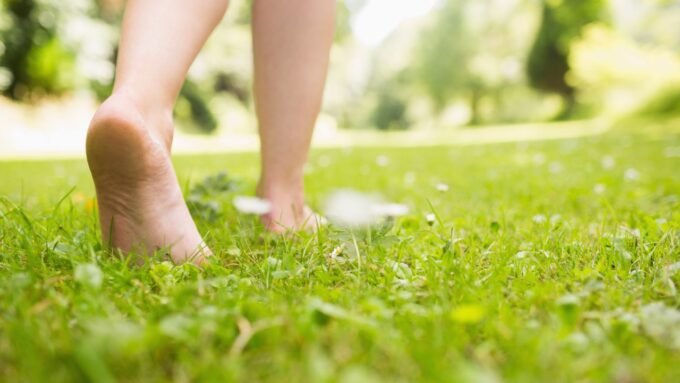
- Avoid walking barefoot on rough surfaces
Simple lifestyle changes can significantly reduce recurring corns.
Conclusion
Corns problem is a common but manageable foot condition caused mainly by pressure and friction. Although they are not usually dangerous, they can cause discomfort and pain if ignored. Proper footwear, good foot hygiene, and early treatment are the best ways to prevent and manage corns.
If you experience severe pain or have underlying health conditions like diabetes, consult a healthcare professional before trying any treatment.
Taking care of your feet is essential for overall health and mobility. Small daily habits can make a big difference in preventing corns and keeping your feet healthy and pain-free.
Disclaimer:
All information provided is for educational purposes only. Consult a doctor before starting any treatment or remedy. Thank You!












Leave a comment