



Introduction
Constipation is a common digestive problem that affects people of all ages. It is characterized by infrequent bowel movements, hard stools, difficulty passing stool, and a feeling of incomplete evacuation. In today’s fast-paced lifestyle, poor diet, low fiber intake, dehydration, and lack of physical activity are major causes of constipation.
What is Constipation?
Constipation occurs when bowel movements become less frequent than normal, typically fewer than three times per week. The stool becomes dry and hard, making it difficult to pass.
Common Symptoms:
- Hard or lumpy stools
- Straining during bowel movements
- Abdominal discomfort
- Bloating and gas
- Feeling of incomplete emptying
Constipation can be temporary (acute) or long-term (chronic). Chronic constipation may require medical evaluation.
Causes of Constipation
Understanding the causes helps in choosing the right nutritional approach.
1. Low Fiber Diet
Fiber adds bulk to stool and helps it pass smoothly through the intestines. A diet low in fruits, vegetables, and whole grains increases constipation risk.
2. Dehydration
Without enough water, stool becomes hard and dry.
3. Lack of Physical Activity
Sedentary lifestyle slows down intestinal movement.
4. Ignoring the Urge
Delaying bowel movements can make stool harder over time.
5. Stress
Mental stress can affect digestion and bowel habits.
Role of Fiber in Relieving Constipation
Fiber is a type of carbohydrate that the body cannot digest. It passes through the digestive system and helps regulate bowel movements.
There are two main types of fiber:
1. Soluble Fiber
- Absorbs water and forms a gel-like substance
- Softens stool
- Found in oats, apples, beans, and flaxseeds
2. Insoluble Fiber
- Adds bulk to stool
- Speeds up bowel movement
- Found in whole grains, vegetables, nuts
Both types are essential for preventing constipation and improving digestive health.
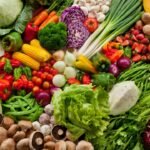
Best High-Fiber Foods for Constipation
1. Fruits
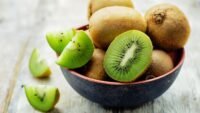
Fruits are rich in fiber and natural sugars that stimulate bowel movement.
- Papaya
- Apple (with skin)
- Pear
- Orange
- Banana (ripe)
2. Vegetables
Vegetables provide insoluble fiber and essential nutrients.
- Spinach
- Broccoli
- Carrot
- Cabbage
- Bottle gourd
3. Whole Grains
Replace refined flour with whole grains.
- Oats
- Brown rice
- Whole wheat roti
- Barley
- Quinoa
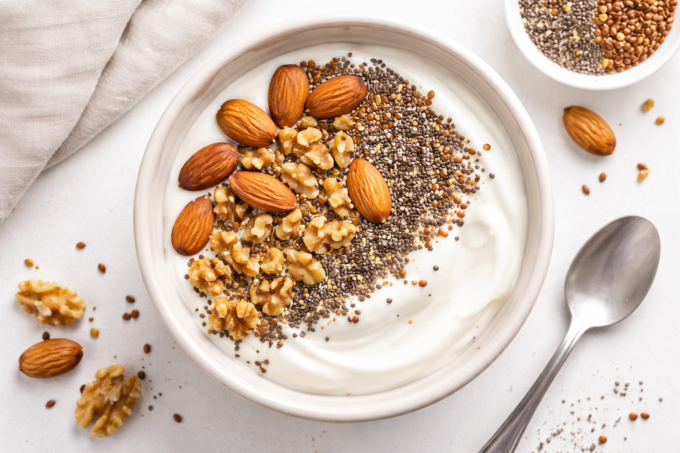
4. Seeds and Nuts
- Chia seeds
- Flaxseeds
- Almonds
- Walnuts
Soak chia or flaxseeds overnight for better digestion.
5. Legumes
- Lentils
- Chickpeas
- Kidney beans
- Black beans
These are excellent plant-based fiber sources.
Daily Fiber Requirement
The recommended daily fiber intake:
- Women: 21–25 grams per day
- Men: 30–38 grams per day
Increase fiber gradually to avoid bloating and gas.
Importance of Hydration
Fiber works best when combined with adequate water intake. Without enough fluids, fiber may worsen constipation.
Tips:
- Drink 8–10 glasses of water daily
- Start your morning with warm water
- Include coconut water or lemon water
- Avoid excessive caffeine
Hydration keeps stool soft and easy to pass.
Healthy Lifestyle Tips for Constipation Relief
1. Regular Exercise
Walking, yoga, and stretching stimulate intestinal movement.
2. Fixed Bathroom Routine
Go to the toilet at the same time daily, especially after meals.
3. Avoid Processed Foods
Reduce intake of junk food, white bread, and sugary snacks.
4. Manage Stress
Practice meditation and deep breathing.
Natural Home Remedies
- Warm lemon water in the morning
- Soaked raisins at night
- A spoon of ghee in warm milk
- Psyllium husk (Isabgol) with water
Consult a doctor before using supplements regularly.
Foods to Avoid During Constipation
- Fast food
- Excess cheese
- Fried foods
- Red meat (in excess)
- Refined flour products
These slow digestion and worsen symptoms.
When to See a Doctor
Seek medical help if you experience:
- Severe abdominal pain
- Blood in stool
- Sudden weight loss
- Constipation lasting more than 3 weeks
Chronic constipation may indicate underlying digestive disorders.
Conclusion
Constipation is a common but manageable digestive issue. Healthy fiber nutrition, adequate hydration, and regular physical activity are the key solutions. By incorporating fruits, vegetables, whole grains, seeds, and legumes into your daily routine, you can naturally relieve constipation and maintain long-term gut health.
Small lifestyle changes can bring significant improvement. Focus on balanced nutrition, drink enough water, stay active, and listen to your body’s signals.
All the topics and information provided here are collected from the internet for general awareness and educational purposes only. Before using or following any advice, remedies, exercises, diets, or treatments mentioned, please consult a qualified doctor or healthcare professional. Always seek medical advice before starting or using anything related to your health. Thank you!











Leave a comment