




Introduction
Colorectal cancer, which affects the colon or rectum, is one of the most common cancers worldwide. Despite advances in screening and treatment, many cases are still diagnosed late—mainly because early symptoms are subtle and often ignored.
According to surgical oncologists, the early warning signs of colorectal cancer are frequently mistaken for minor digestive issues. This delay in recognition can significantly impact treatment outcomes. Understanding these subtle symptoms can be life-saving.
Why Early Symptoms Are Often Missed
One of the biggest challenges with colorectal cancer is that it may not cause obvious symptoms in its early stages. Many patients either feel completely fine or experience mild discomfort that doesn’t raise alarm.
Early signs are often:
- Vague
- Intermittent
- Easily confused with common conditions like piles, indigestion, or IBS
Research shows that symptoms like abdominal pain, rectal bleeding, and changes in bowel habits are among the most common early indicators but they are frequently overlooked.
Subtle Symptoms You Should Never Ignore
1. Changes in Bowel Habits

One of the earliest signs is a persistent change in bowel movements.
Watch for:
- Ongoing diarrhea or constipation
- Alternating bowel patterns
- Narrow or pencil-thin stools
These changes may indicate a blockage or growth in the colon. If symptoms last more than a few weeks, it’s essential to consult a doctor.
2. Blood in Stool (Even If Occasional)
Blood in stool is often dismissed as hemorrhoids, but it should never be ignored.
It may appear as:
- Bright red blood
- Dark or black stools
- Blood mixed with stool
Even small amounts of bleeding can be a warning sign of colorectal cancer and require immediate medical attention.
3. Feeling of Incomplete Bowel Emptying
A lesser-known symptom is the constant sensation that your bowel hasn’t fully emptied after using the toilet.
This can be caused by:
- A tumor obstructing the rectum
- Changes in bowel function
If this feeling persists, it’s worth getting evaluated.
4. Persistent Abdominal Discomfort
Mild but ongoing abdominal issues are commonly ignored.
Symptoms include:
- Cramping
- Bloating
- Gas
- General stomach pain
These symptoms may come and go, making them easy to dismiss but persistent discomfort should not be overlooked.
5. Unexplained Fatigue and Weakness

Feeling constantly tired without a clear reason could be linked to internal bleeding in the colon.
Chronic blood loss can lead to:
- Iron-deficiency anemia
- Low energy levels
- Weakness
Fatigue combined with other symptoms should raise concern.
6. Unintentional Weight Loss

Losing weight without trying is a red flag for many cancers, including colorectal cancer.
This happens because:
- The body uses more energy to fight the disease
- Appetite may decrease
- Nutrient absorption is affected
Any sudden, unexplained weight loss should be evaluated by a healthcare professional.
7. Iron-Deficiency Anemia
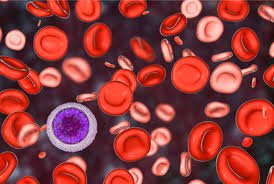
Many people discover colorectal cancer through routine blood tests showing anemia.
Signs include:
- Pale skin
- Dizziness
- Shortness of breath
- Fatigue
Anemia without an obvious cause should always be investigated further.
Why Young Adults Should Also Be Alert
Traditionally, colorectal cancer was considered a disease of older adults. However, recent trends show a rise in cases among people under 50.
Younger individuals often ignore symptoms because they believe:
- “I’m too young for cancer”
- Symptoms are due to lifestyle or stress
Unfortunately, this leads to delayed diagnosis. Studies highlight that many younger patients experience symptoms for months before seeking help.
When Should You See a Doctor?
A surgical oncologist advises seeking medical attention if you experience:
- Blood in stool at any time
- Persistent bowel habit changes (lasting more than 2–3 weeks)
- Ongoing abdominal pain
- Unexplained weight loss
- Chronic fatigue or anemia
Early diagnosis dramatically improves survival rates and treatment success.
Importance of Screening Screening plays a crucial role in detecting colorectal cancer early even before symptoms appear.
Common screening methods include:
- Colonoscopy
- Stool tests
- CT colonography
Doctors recommend starting screening at age 45, or earlier if you have a family history or risk factors.
Risk Factors to Be Aware Of
While symptoms are important, understanding risk factors can also help in early detection:
- Family history of colorectal cancer
- Diet high in processed foods and red meat
- Obesity
- Smoking and alcohol use
- Sedentary lifestyle
Being aware of these risks can encourage timely screening and lifestyle changes.
Final Thoughts
Colorectal cancer often begins silently, with subtle symptoms that are easy to ignore. However, your body usually gives warning signs it’s just a matter of paying attention.














Leave a comment