



Cervical health is a vital part of overall women’s wellness, yet it is often overlooked until symptoms appear. The cervix, located at the lower part of the uterus, plays a crucial role in reproductive health. Poor cervical health can lead to infections, complications, and even cervical cancer. The good news is that most cervical conditions are preventable with the right awareness and care.
According to health experts, cervical cancer is one of the most preventable cancers when proper screening and vaccination are followed regularly. This article provides practical and effective cervical health tips every woman should follow.
1. Get Regular Cervical Screening Tests
One of the most important steps in maintaining cervical health is routine screening. Tests such as the Pap smear and HPV test help detect abnormal cell changes before they turn into cancer.
Medical guidelines recommend that women aged 21 to 65 undergo regular screening to reduce the risk of cervical cancer. These tests can identify precancerous changes early, making treatment more effective.
Regular screening can significantly lower both the risk and mortality rate of cervical cancer.
2. Take the HPV Vaccine
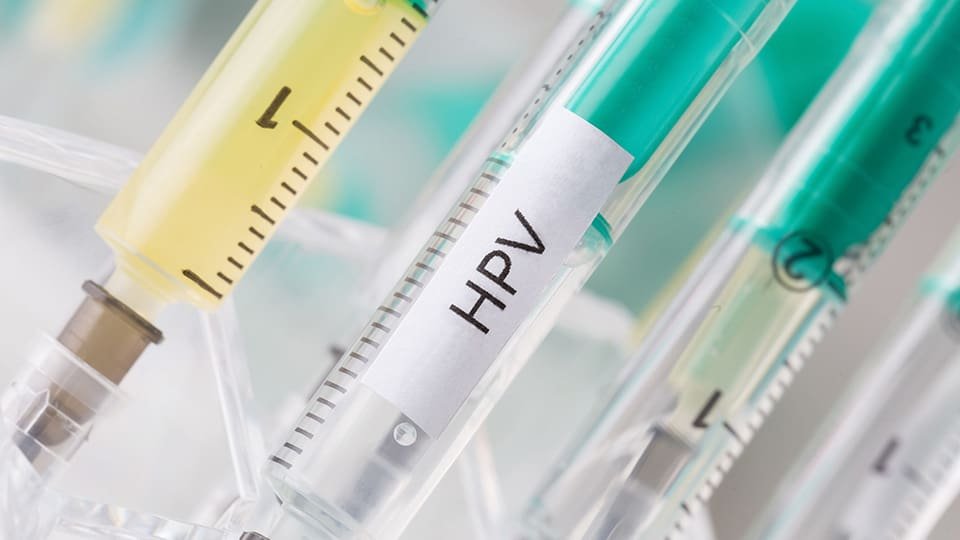
The Human Papillomavirus (HPV) is responsible for nearly all cases of cervical cancer. Studies show that about 99 percent of cervical cancer cases are linked to HPV infection.
Vaccination is one of the most powerful preventive measures. It is recommended for girls and young women, ideally before becoming sexually active. However, even adults up to age 26 and sometimes older may benefit from the vaccine after consulting a doctor.
Getting vaccinated reduces the risk of developing cervical cancer and other HPV-related diseases.
3. Practice Safe Sexual Habits
Safe sexual practices play a key role in protecting cervical health. Since HPV is a sexually transmitted infection, reducing exposure is essential.
Women should consider:
- Using protection during intercourse
- Limiting the number of sexual partners
- Getting regular STI check-ups
While protection methods like condoms may not fully eliminate HPV risk, they can significantly lower the chances of infection.
4. Maintain Good Personal Hygiene

Proper intimate hygiene helps prevent infections that may affect the cervix. Women should:
- Avoid using harsh chemical-based products
- Maintain proper genital hygiene
- Wear breathable cotton underwear
Maintaining a clean and balanced vaginal environment helps reduce irritation and infections that could impact cervical health.
5. Quit Smoking and Avoid Tobacco
Smoking is a major risk factor for cervical cancer. Harmful chemicals in tobacco can damage cervical cells and weaken the immune system, making it harder to fight HPV infections.
Health experts strongly recommend quitting smoking to reduce the risk of cervical cancer and improve overall reproductive health .
6. Pay Attention to Warning Signs
Cervical cancer often does not show symptoms in its early stages. However, as it progresses, certain signs may appear, including:
- Unusual vaginal bleeding
- Pain during intercourse
- Pelvic pain
- Abnormal discharge
If you experience any of these symptoms, it is important to consult a doctor immediately. Early detection can save lives.
7. Maintain a Healthy Lifestyle

A strong immune system helps the body fight infections, including HPV. Women should focus on:
- Eating a balanced diet rich in fruits and vegetables
- Exercising regularly
- Managing stress
- Getting enough sleep
Healthy lifestyle habits contribute to better cervical and overall health.
8. Visit Your Gynecologist Regularly
Routine gynecological check-ups are essential for early detection and prevention of cervical issues. Even if you feel healthy, regular visits help monitor any subtle changes.
Doctors can guide you on the right screening schedule, vaccination options, and preventive measures based on your age and medical history.
9. Track Your Menstrual Cycle
Monitoring your menstrual cycle can help you identify unusual patterns or symptoms early. Keeping a record of cycle length, flow, and discomfort can provide valuable information for your healthcare provider.
This simple habit can help detect underlying reproductive health issues, including cervical problems.
10. Stay Informed and Spread Awareness
Awareness is one of the strongest tools in preventing cervical diseases. Educating yourself and others about cervical health, HPV vaccination, and screening can make a significant difference.
Community awareness programs and open conversations can encourage more women to prioritize their health.
Conclusion
Cervical health is not something to ignore. With simple steps like regular screening, HPV vaccination, safe practices, and a healthy lifestyle, women can significantly reduce their risk of cervical cancer.












Leave a comment