


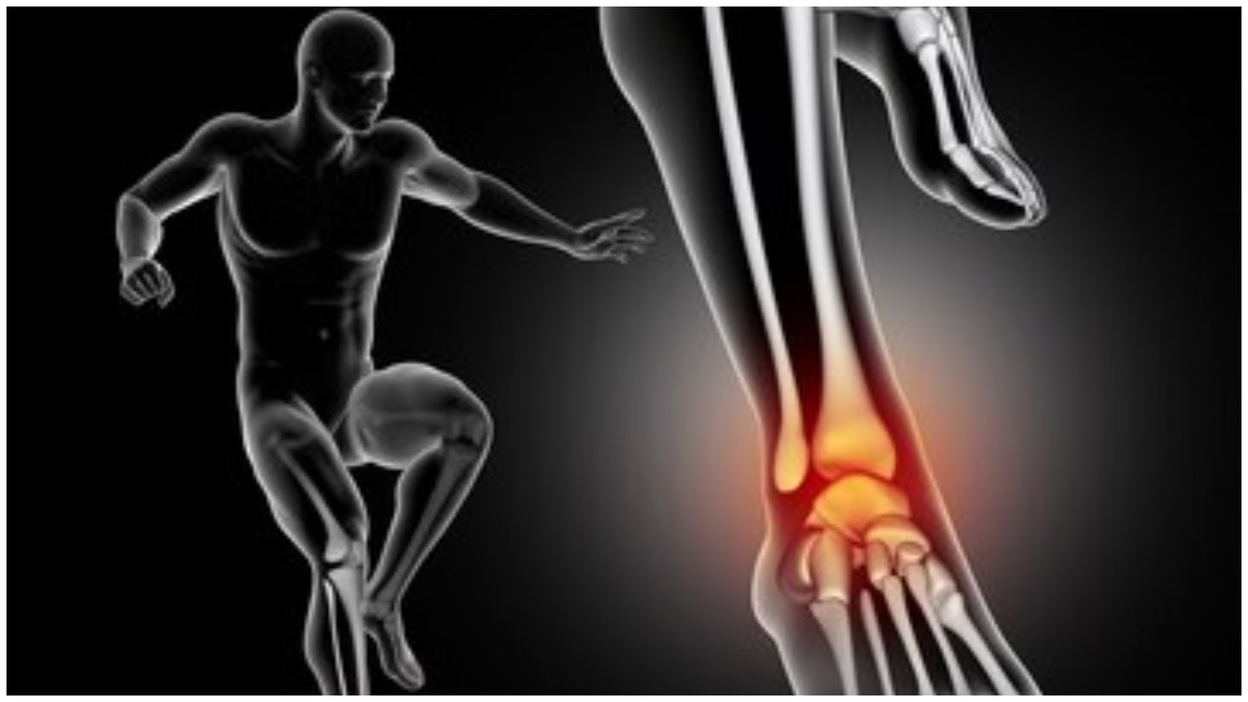
Bone health plays a vital role in maintaining overall strength mobility and quality of life. Strong bones support the body protect vital organs and enable smooth movement. However many people underestimate the importance of calcium which is one of the most essential minerals required for maintaining healthy bones. Calcium deficiency is a common nutritional issue that can lead to weakened bones and increase the risk of fractures and osteoporosis over time.
Understanding how calcium affects bone health along with recognizing early symptoms of deficiency can help individuals take preventive steps and maintain strong bones throughout life.
Why Calcium is Important for Bone Health
Calcium is the primary mineral found in bones and teeth. Nearly ninety nine percent of the calcium in the human body is stored in bones where it provides structural strength and stability. The remaining calcium is used for essential bodily functions such as muscle contraction nerve signaling and blood clotting.
When the body does not get enough calcium from the diet it starts taking calcium from the bones to maintain normal functions. Over time this process weakens the bones and reduces bone density making them more fragile and prone to fractures.
Vitamin D also plays a crucial role in bone health as it helps the body absorb calcium efficiently. Without sufficient vitamin D even a calcium rich diet may not be enough to maintain optimal bone strength.
Causes of Calcium Deficiency
Calcium deficiency can occur due to several reasons including poor dietary intake hormonal changes and certain medical conditions. One of the most common causes is not consuming enough calcium rich foods such as dairy products leafy green vegetables and fortified foods.
Hormonal changes especially in women during menopause can lead to a rapid decline in bone density. Reduced estrogen levels affect calcium absorption and increase the risk of osteoporosis. Similarly aging reduces the body ability to absorb calcium effectively.
Other factors that contribute to calcium deficiency include vitamin D deficiency lack of physical activity excessive caffeine intake and high consumption of processed foods. Certain medications and health conditions may also interfere with calcium absorption.
Symptoms of Calcium Deficiency

Calcium deficiency may not show obvious symptoms in the early stages but as it progresses several signs may appear. Common symptoms include muscle cramps fatigue and weakness. People may also experience brittle nails dry skin and frequent dental issues.
In more severe cases calcium deficiency can lead to bone pain and increased risk of fractures. Long term deficiency may result in osteoporosis a condition where bones become weak and porous. In children calcium deficiency can affect bone growth and development.
Early detection of these symptoms is important to prevent long term complications and maintain overall bone health.
Best Foods for Strong Bones

A balanced diet rich in calcium is essential for maintaining healthy bones. Dairy products such as milk cheese and yogurt are among the best sources of calcium. For those who are lactose intolerant plant based options like almond milk soy milk and fortified foods can provide adequate calcium.
Leafy green vegetables such as spinach kale and broccoli are also good sources of calcium. Other foods that support bone health include nuts seeds tofu and fish like sardines and salmon which contain both calcium and vitamin D.
In addition to calcium rich foods it is important to include foods high in vitamin D such as eggs fortified cereals and exposure to sunlight. Magnesium and phosphorus are also important nutrients that contribute to bone strength.
Prevention Tips for Maintaining Bone Health
Preventing calcium deficiency requires a combination of proper nutrition and healthy lifestyle habits. Consuming a well balanced diet that includes sufficient calcium and vitamin D is the first step toward strong bones.
Regular physical activity especially weight bearing exercises like walking jogging and strength training helps improve bone density. Exercise stimulates bone formation and reduces the risk of bone loss.
Limiting intake of caffeine and carbonated beverages can also help as excessive consumption may interfere with calcium absorption. Avoiding smoking and excessive alcohol intake is equally important for maintaining bone health.
Regular health checkups and bone density tests can help identify early signs of bone loss and allow timely intervention.
Who is at Risk of Calcium Deficiency
Certain groups of people are more likely to develop calcium deficiency. Women especially after menopause are at higher risk due to hormonal changes. Older adults are also vulnerable as their bodies absorb less calcium with age.
People who follow restrictive diets or avoid dairy products may not get enough calcium from their diet. Individuals with digestive disorders or chronic illnesses may also have difficulty absorbing calcium.
Children and adolescents require adequate calcium for proper growth and bone development. Ensuring sufficient intake during these stages is essential for building strong bones that last a lifetime.
Role of Supplements
In cases where dietary intake is insufficient calcium supplements may be recommended by healthcare professionals. These supplements can help meet daily calcium requirements but should be taken under medical guidance to avoid excess intake.
Combining calcium supplements with vitamin D can enhance absorption and provide better results. However relying solely on supplements is not a substitute for a healthy diet and active lifestyle.
Conclusion
Calcium deficiency is a common but preventable condition that can have serious effects on bone health if left untreated. Maintaining adequate calcium intake along with vitamin D and regular exercise is essential for building and preserving strong bones.












Leave a comment