


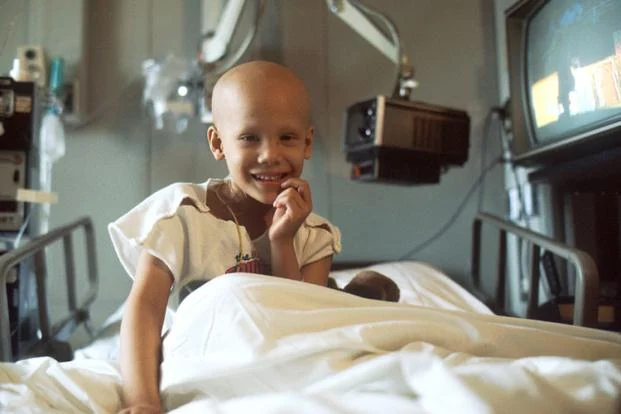
Childhood cancer is one of the leading causes of death among children and adolescents worldwide. Although it is relatively rare compared to adult cancers, its impact on families and communities is significant. With advancements in medical science, many types of childhood cancer are now treatable and even curable when diagnosed early.
According to global health data, around 400,000 children are diagnosed with cancer each year, and survival rates vary widely depending on access to healthcare and early detection.
What is Childhood Cancer
Childhood cancer refers to cancers that occur in children typically between the ages of 0 and 14 years. These cancers differ from adult cancers in terms of causes, behavior, and treatment approaches.
Unlike adult cancers, which are often linked to lifestyle factors such as smoking or diet, most childhood cancers are caused by genetic mutations that occur early in life, sometimes even before birth.
Causes of Childhood Cancer
The exact cause of most childhood cancers remains unknown. However, several factors are believed to contribute:
Genetic mutations
Changes in DNA can cause abnormal cell growth leading to cancer. These mutations may occur spontaneously or be inherited.
Inherited genetic conditions
A small percentage of cancers in children are linked to inherited genetic disorders.
Infections
Certain infections such as Epstein Barr virus, HIV, and malaria have been linked to increased cancer risk in children.
Environmental exposure
Although less common, exposure to radiation or harmful chemicals may increase risk.
It is important to note that childhood cancers are generally not preventable, unlike many adult cancers.
Common Types of Childhood Cancer
Childhood cancer includes many types, but some are more common than others:
Leukemia
The most common type of childhood cancer affecting blood and bone marrow.
Brain and spinal cord tumors
These are the second most common cancers in children and can affect behavior, movement, and thinking.
Lymphoma
A cancer of the immune system, including Hodgkin and non Hodgkin lymphoma.
Neuroblastoma
A cancer that develops from immature nerve cells, often in infants and young children.
Wilms tumor
A type of kidney cancer seen mainly in young children.
Bone cancers
Including osteosarcoma and Ewing sarcoma, usually affecting older children and teenagers.
Symptoms of Childhood Cancer
Symptoms of childhood cancer can vary depending on the type, but some common warning signs include:
Persistent fever
Unexplained weight loss
Fatigue and weakness
Frequent infections
Bone or joint pain
Headaches or vomiting
Swelling or lumps in the body
Easy bruising or bleeding
These symptoms can also be caused by less serious illnesses, but persistent or unusual symptoms should always be evaluated by a doctor.
Importance of Early Diagnosis
Early diagnosis plays a crucial role in improving survival rates. When cancer is detected early, treatment is more effective and less aggressive.
Key steps for early diagnosis include:
Awareness of symptoms among parents
Timely medical consultation
Accurate diagnosis through tests
Immediate start of treatment
Delays in diagnosis are one of the major reasons for lower survival rates in developing countries.
Treatment of Childhood Cancer
Treatment depends on the type and stage of cancer. Common treatment options include:
Chemotherapy
The use of drugs to kill cancer cells
Radiation therapy
High energy rays used to destroy cancer cells
Surgery
Removal of tumors from the body
Targeted therapy
Drugs that specifically target cancer cells with fewer side effects
Immunotherapy
Treatment that boosts the immune system to fight cancer
Most children require a combination of these treatments. Pediatric oncology centers provide specialized care tailored to children’s needs.
Survival Rate and Prognosis
Survival rates for childhood cancer have improved significantly over the past few decades. In high income countries, more than 80 percent of children diagnosed with cancer can be cured.
However, in low and middle income countries, survival rates can be as low as 30 percent due to:
Lack of early diagnosis
Limited access to treatment
High treatment costs
Inadequate healthcare infrastructure
Despite these challenges, ongoing improvements in healthcare systems are helping increase survival rates globally.
Life After Cancer

Many children who survive cancer go on to live healthy lives. However, some may experience long term side effects such as:
Growth and developmental issues
Heart or organ complications
Learning difficulties
Risk of secondary cancers
Regular follow up care is essential to monitor and manage these effects.
How to Support Children with Cancer
Supporting a child with cancer involves emotional, medical, and social care:
Provide emotional support and reassurance
Maintain a normal routine as much as possible
Ensure proper nutrition and hygiene
Follow medical advice strictly
Join support groups for guidance
Family support plays a crucial role in recovery and overall well being.
Conclusion
Childhood cancer is a serious but increasingly treatable condition. With early diagnosis, proper treatment, and supportive care, many children can overcome cancer and lead healthy lives. Raising awareness about symptoms and improving access to healthcare are key steps in reducing the global burden of childhood cancer.










Leave a comment