



Hormones play a crucial role in maintaining overall health, including the condition of your skin. Many people experience sudden skin problems without realizing that hormonal imbalance is often the root cause. From acne breakouts to dryness and premature aging, hormonal changes can significantly impact skin health at different stages of life.
Understanding how hormones affect your skin can help you manage these issues effectively and maintain a clear and healthy complexion.
What Are Hormonal Changes
Hormones are chemical messengers produced by glands in the body. They regulate various functions such as metabolism, growth, mood and skin health. Even a slight imbalance in hormones can trigger noticeable changes in the skin.
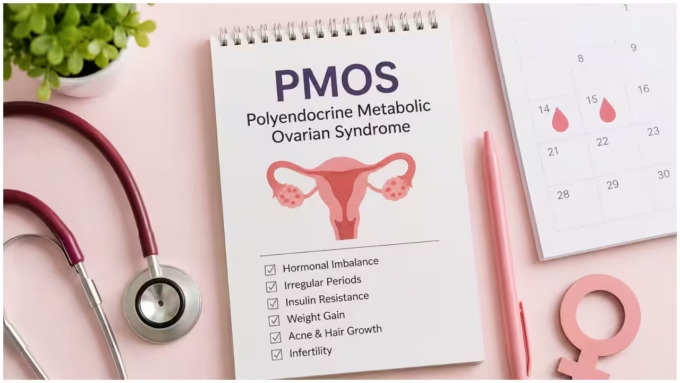
Hormonal fluctuations commonly occur during puberty, menstruation, pregnancy, menopause and due to stress or medical conditions like PCOS. These fluctuations directly influence oil production, skin hydration and inflammation levels.
How Hormones Affect the Skin
Hormones control several important skin functions such as sebum production, collagen formation and cell turnover. When hormone levels change, these processes get disturbed.
For example, increased androgen hormones like testosterone can stimulate oil glands, leading to excessive sebum production. This excess oil can clog pores and cause acne.
On the other hand, low estrogen levels can result in dry, thin and less elastic skin, making it more prone to wrinkles and aging.
Common Skin Problems Caused by Hormonal Changes
Acne and Breakouts
Hormonal acne is one of the most common skin issues. It often appears on the face, neck, chest and back. Increased androgen levels lead to oily skin and clogged pores, which results in pimples and cystic acne.
Hormonal acne is especially common during puberty, menstrual cycles and pregnancy.
Oily Skin
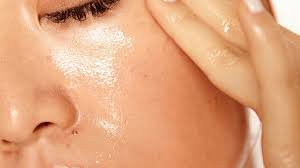
When hormones stimulate sebaceous glands, the skin produces more oil. This leads to a shiny appearance, enlarged pores and increased chances of acne.
Dry Skin
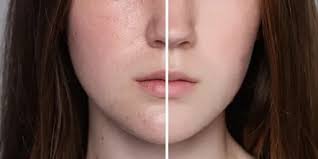
Low estrogen levels, especially during menopause, reduce the skin’s ability to retain moisture. This causes dryness, rough texture and sensitivity.
Skin Aging
Hormonal imbalance can accelerate aging. Reduced collagen production leads to fine lines, wrinkles and sagging skin. Estrogen plays a key role in maintaining skin elasticity, so its decline affects skin firmness.
Pigmentation and Dark Spots
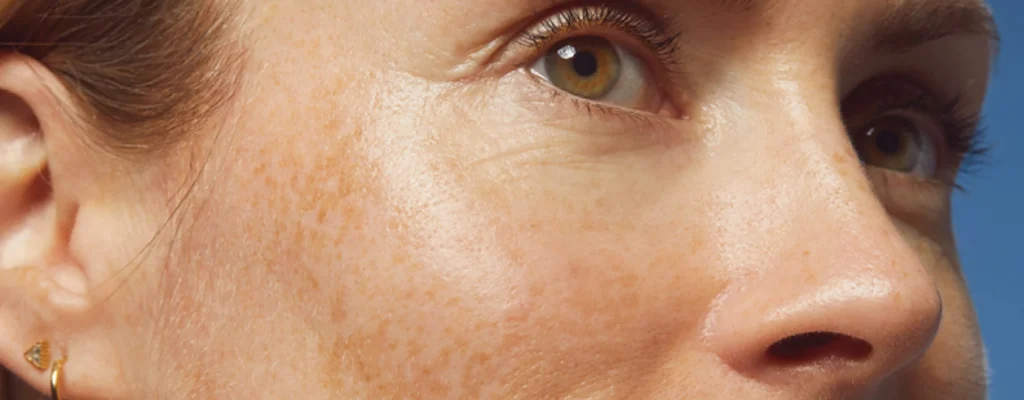
Hormonal changes during pregnancy or due to contraceptive use can cause pigmentation issues such as melasma. These appear as dark patches on the face.
Increased Sensitivity
Hormonal fluctuations can weaken the skin barrier, making it more sensitive and prone to redness, irritation and allergic reactions.
Major Hormones That Affect Skin
Androgens
These hormones increase oil production. High levels can cause acne and oily skin.
Estrogen
Estrogen helps keep the skin hydrated, smooth and firm. Low levels can lead to dryness and aging signs.
Progesterone
This hormone can cause swelling, oiliness and clogged pores, especially before menstruation.
Cortisol
Known as the stress hormone, cortisol increases inflammation and oil production, leading to acne and skin irritation.
Insulin
High insulin levels can trigger hormonal imbalances that worsen acne, especially when consuming high sugar foods.
Causes of Hormonal Imbalance Affecting Skin
Several factors can disturb hormonal balance and impact skin health:
Puberty causes a surge in hormone levels leading to acne
Menstrual cycle triggers monthly hormonal fluctuations
Pregnancy leads to sudden hormonal shifts
Menopause reduces estrogen levels causing dryness and aging
Stress increases cortisol levels affecting skin condition
Unhealthy diet and high sugar intake disturb insulin levels
Medical conditions like PCOS increase androgen production
These factors can either individually or collectively lead to skin issues.
How to Manage Hormonal Skin Problems
Maintain a Healthy Diet

Consume a balanced diet rich in fruits, vegetables and whole grains. Avoid high sugar and processed foods that can trigger insulin spikes.
Follow a Proper Skincare Routine
Use gentle cleansers and oil free moisturizers. Avoid harsh products that can damage the skin barrier.
Manage Stress
Stress management techniques such as yoga, meditation and regular exercise can help reduce cortisol levels and improve skin health.
Stay Hydrated
Drinking enough water helps maintain skin hydration and improves overall skin appearance.
Get Enough Sleep
Proper sleep helps regulate hormones and supports skin repair.
Consult a Dermatologist
If skin problems persist, it is important to seek professional help. Treatments may include topical medications, hormonal therapy or lifestyle changes.
When to See a Doctor
You should consult a doctor if you experience severe acne, sudden skin changes, excessive hair growth or irregular menstrual cycles. These may indicate underlying hormonal disorders that require medical attention.
Conclusion
Hormonal changes have a powerful impact on the skin, influencing everything from acne to aging. Understanding the connection between hormones and skin health is essential for proper care and treatment. By maintaining a healthy lifestyle and following a consistent skincare routine, you can effectively manage hormonal skin issues and achieve healthier, glowing skin.









Leave a comment