


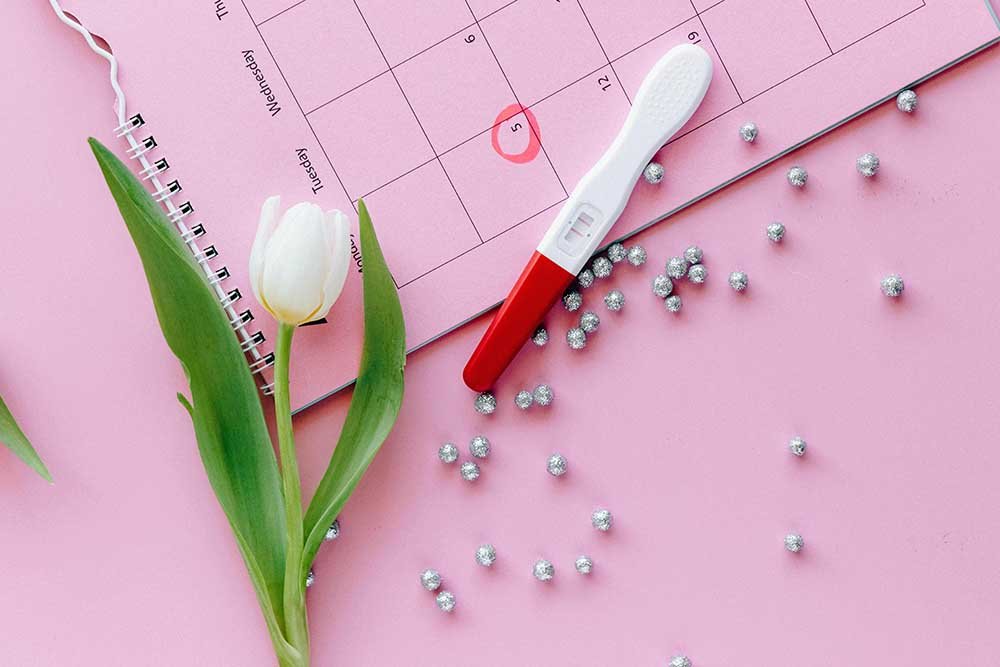
Pregnancy brings significant changes to a woman’s body, and these changes do not end after childbirth. One of the most noticeable differences many women experience is in their menstrual cycle. Understanding how your period changes after pregnancy and what it means for your body is essential for maintaining reproductive health and overall wellbeing.
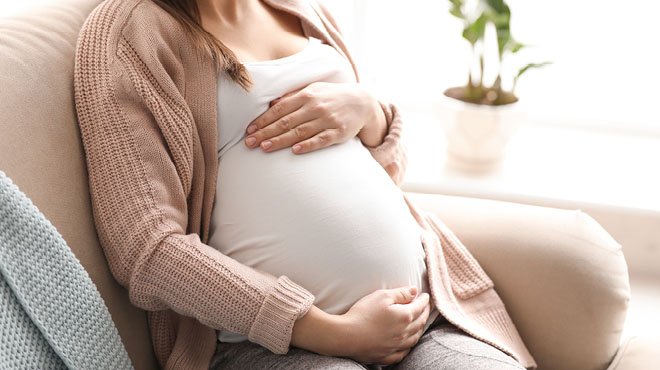
According to a Gynaecologist, postpartum menstrual changes are completely normal but can vary widely from one woman to another. Factors such as breastfeeding, hormonal levels, and overall health play a key role in determining when and how your period returns.
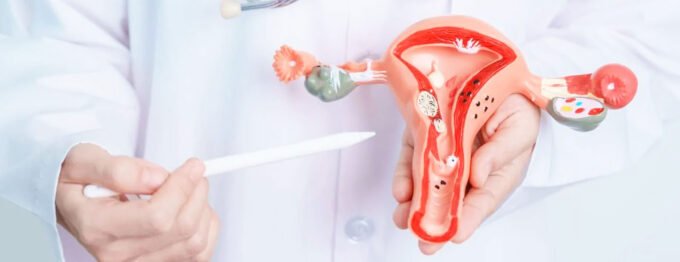
After delivery, the body begins a recovery process that includes balancing hormones such as estrogen and progesterone. This hormonal shift directly affects the menstrual cycle. For some women, periods may return as early as six to eight weeks after childbirth, while for others, especially those who are breastfeeding, it may take several months.
Breastfeeding significantly impacts the return of menstruation. The hormone prolactin, which helps produce breast milk, can suppress ovulation. As a result, women who exclusively breastfeed may not get their periods for an extended period. However, it is important to understand that ovulation can occur before the first period, which means pregnancy is still possible even without menstruation.
When periods do return, they may not be the same as before pregnancy. Many women notice irregular cycles in the initial months. This irregularity happens because the body is still stabilizing hormone levels. Cycles may be shorter or longer, and the timing can be unpredictable.
Another common change is the difference in bleeding patterns. Some women experience heavier periods than before pregnancy, while others may notice lighter flow. Heavier bleeding can be due to the shedding of a thicker uterine lining, while lighter periods may result from hormonal fluctuations. Both scenarios can be normal unless accompanied by severe symptoms.
Pain during periods can also change after pregnancy. Some women report less painful periods, possibly due to changes in the uterus and cervix after childbirth. Others may experience increased discomfort. These variations are typically not a cause for concern unless the pain is severe or persistent.
Clotting during menstruation may also become more noticeable after pregnancy. Small clots are generally normal, but large or frequent clots should be evaluated by a healthcare professional. Similarly, spotting between periods can occur as the body adjusts, but consistent spotting should not be ignored.
Understanding what these changes mean for your body is crucial. Postpartum menstrual changes are often a sign that your body is healing and gradually returning to its pre pregnancy state. Hormonal balance takes time, and the menstrual cycle is one of the last systems to stabilize.
However, certain symptoms may indicate underlying issues that require medical attention. Extremely heavy bleeding, where you need to change pads frequently within a short time, could signal complications. Foul smelling discharge, severe abdominal pain, or periods that do not return even after a long time without breastfeeding should be discussed with a doctor.
Maintaining a healthy lifestyle can support your body during this transition. A balanced diet, regular physical activity, and adequate rest help regulate hormones and improve overall reproductive health. Staying hydrated and managing stress also contribute to smoother recovery.
It is also important to track your menstrual cycle after pregnancy. Keeping a record of cycle length, flow, and symptoms can help you identify patterns and share accurate information with your healthcare provider if needed.
After childbirth, hormones like estrogen and progesterone drop suddenly, while prolactin increases if you are breastfeeding. These hormonal shifts directly affect your menstrual cycle and overall mood.
First Period After Delivery What to Expect
The first period after pregnancy can be very different. It may be heavier, longer, or more uncomfortable than usual. Some women also experience stronger cramps during the first few cycles.
How Breastfeeding Affects Periods
Breastfeeding delays the return of periods due to high prolactin levels. However, the timing varies for every woman. Some may get periods within months, while others may not menstruate until they stop breastfeeding.
Irregular Periods After Pregnancy
It is common to have irregular cycles in the beginning. Your body needs time to regulate hormones, and cycles may remain unpredictable for several months.
Heavy Bleeding When to Be Concerned
Heavy periods can occur after pregnancy, but if you experience excessive bleeding, dizziness, or weakness, it may indicate a problem and you should consult a Gynaecologist.
Postpartum Recovery and Menstrual Health
Your menstrual cycle reflects how well your body is recovering after childbirth. Proper nutrition, rest, and care play a key role in restoring normal cycles.
Birth Control and Period Changes
Using contraceptives after pregnancy can also affect your periods. Some methods may make periods lighter, while others can temporarily stop menstruation.
Signs of Hormonal Imbalance
Watch for symptoms like extreme mood swings, acne, hair fall, or very irregular periods. These could be signs that your hormones are not yet balanced.
When Periods Do Not Return
If your period does not return even after several months and you are not breastfeeding, it is important to seek medical advice to rule out underlying.







Leave a comment