


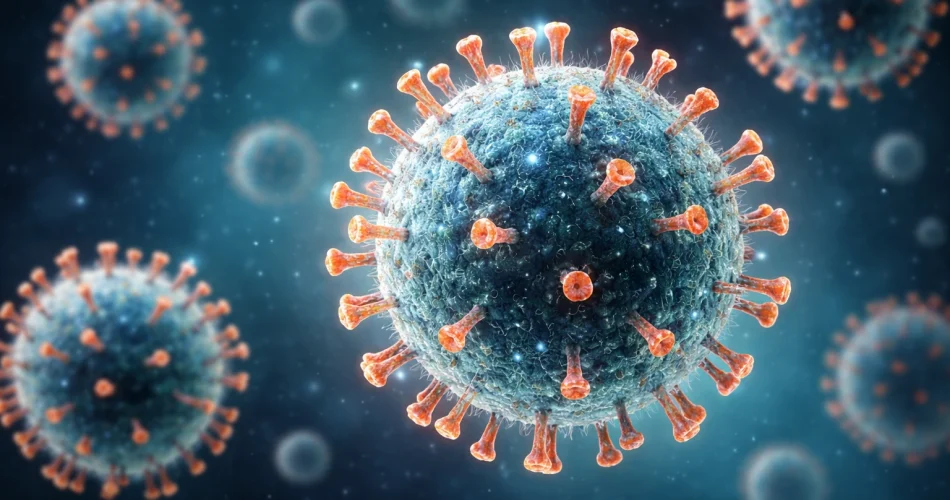
Nipah virus infection is a serious and potentially fatal disease that has raised global health concerns in recent years. Classified as a zoonotic virus, Nipah virus spreads from animals to humans and can also be transmitted between people in certain conditions. With a high mortality rate and no specific cure available yet, awareness about this infection is essential for early prevention and control.
First identified in 1998 during an outbreak in Malaysia, Nipah virus has since been reported in several countries, including India and Bangladesh. Periodic outbreaks have highlighted the importance of understanding how the virus spreads, recognizing early symptoms, and adopting preventive measures to reduce risk.
What is Nipah Virus Infection
Nipah virus belongs to the Henipavirus genus and is primarily carried by fruit bats, also known as flying foxes. These bats act as natural hosts and can transmit the virus to humans either directly or through contaminated food. In some outbreaks, domestic animals such as pigs have also played a role in spreading the infection.
The virus mainly affects the respiratory and nervous systems. In severe cases, it can lead to encephalitis, which is inflammation of the brain, and may result in coma or death. The fatality rate varies but can be very high, making it one of the most dangerous emerging infectious diseases.
Causes and Transmission of Nipah Virus
The primary cause of Nipah virus infection is exposure to infected animals or consumption of contaminated food. Fruit bats often contaminate fruits or date palm sap with their saliva or urine, which can then infect humans when consumed without proper cleaning or processing.
Human to human transmission is also possible, especially in healthcare settings or among close family members. Direct contact with an infected person’s bodily fluids, including saliva and respiratory secretions, can spread the virus.
In regions where outbreaks have occurred, poor hygiene practices and close interaction with infected animals increase the risk of infection. Understanding these transmission routes is key to preventing the spread of the disease.
Symptoms of Nipah Virus Infection
The symptoms of Nipah virus infection can range from mild to severe and usually appear between four to fourteen days after exposure. Early symptoms often resemble common viral illnesses, which can make diagnosis challenging.
Initial symptoms include fever, headache, muscle pain, vomiting, and sore throat. As the disease progresses, patients may develop dizziness, confusion, and difficulty breathing. In severe cases, the infection can lead to acute encephalitis, causing seizures, altered consciousness, and coma within a short period.
Respiratory complications are also common and can contribute to the severity of the disease. Due to the rapid progression of symptoms, early medical attention is crucial.
Diagnosis and Treatment
Diagnosing Nipah virus infection requires laboratory testing, as its symptoms overlap with many other viral diseases. Tests such as polymerase chain reaction and antibody detection are used to confirm the presence of the virus.
Currently, there is no specific antiviral treatment approved for Nipah virus infection. Medical care mainly focuses on supportive treatment to manage symptoms and complications. This may include maintaining hydration, controlling fever, and providing respiratory support when needed.
Researchers are actively working on developing vaccines and targeted therapies, but these are still in experimental stages. Early detection and supportive care remain the best approach to improving patient outcomes.
Prevention and Safety Measures
Preventing Nipah virus infection involves reducing exposure to potential sources of the virus. Avoiding consumption of raw or contaminated fruits and unprocessed date palm sap is essential, especially in areas where outbreaks have been reported.
People should wash fruits thoroughly and peel them before consumption. It is also important to avoid contact with bats and sick animals. Maintaining good personal hygiene, including regular hand washing, can help reduce the risk of infection.
In healthcare settings, strict infection control practices are necessary to prevent human to human transmission. Healthcare workers should use protective equipment and follow proper protocols when handling suspected cases.
Public awareness campaigns and surveillance systems play a critical role in controlling outbreaks. Governments and health organizations must work together to ensure timely detection and response.
Recent Outbreaks and Global Concern
Recent Nipah virus outbreaks in parts of South Asia have once again highlighted the threat posed by this infection. Health authorities have implemented rapid response measures, including contact tracing, isolation, and public advisories to contain the spread.
Due to its high fatality rate and potential for human transmission, Nipah virus is considered a priority disease by global health organizations. Continuous monitoring and research are essential to prevent future outbreaks and develop effective treatments.
Why Awareness is Important
Raising awareness about Nipah virus infection is crucial for reducing its impact. Many cases can be prevented by following simple precautions and staying informed about outbreak situations. Early recognition of symptoms and prompt medical care can save lives and prevent further spread.
Communities in high risk areas should be educated about safe food practices and the dangers of close contact with infected animals. Media and digital platforms can play a significant role in spreading accurate information and reducing panic.
Conclusion
Nipah virus infection remains a serious public health concern due to its high mortality rate and lack of specific treatment. Understanding its causes, symptoms, and prevention strategies is essential for protecting individuals and communities. By staying informed and adopting preventive measures, the risk of infection can be significantly reduced.

Nipah virus is a serious emerging health threat that requires awareness and prevention. While outbreaks are currently limited, early detection, hygiene, and avoiding contaminated food sources are key to staying safe.









Leave a comment