


What Is Creatinine?
Creatinine is a waste product formed when your muscles use energy. It is produced from a molecule called creatine, which helps supply energy to muscles during physical activity. Once created, creatinine enters the bloodstream and is filtered out by your kidneys, eventually leaving the body through urine.
Because creatinine is produced at a fairly constant rate and removed by the kidneys, it serves as an important indicator of kidney function. Doctors often measure creatinine levels through blood and urine tests to evaluate how well your kidneys are working.
Why Are Creatinine Levels Important?
Your kidneys act as natural filters, removing toxins and waste products like creatinine from your blood. When kidney function declines, creatinine levels rise because the body is no longer able to eliminate it efficiently.
A creatinine test is commonly used along with other tests like the glomerular filtration rate (GFR) to assess kidney health. Even small increases in creatinine can indicate underlying issues, especially if they persist over time.
Normal Creatinine Levels
Normal creatinine levels can vary depending on age, gender, muscle mass, and overall health. Typically:
- Men: 0.7 to 1.3 mg/dL
- Women: 0.6 to 1.1 mg/dL
- Children: Lower than adults due to less muscle mass
People with more muscle mass may naturally have slightly higher creatinine levels, while elderly individuals may have lower baseline levels.
What Causes High Creatinine Levels?
High creatinine levels usually indicate a problem with kidney function, but several factors can contribute to elevated levels.
1. Kidney Diseases
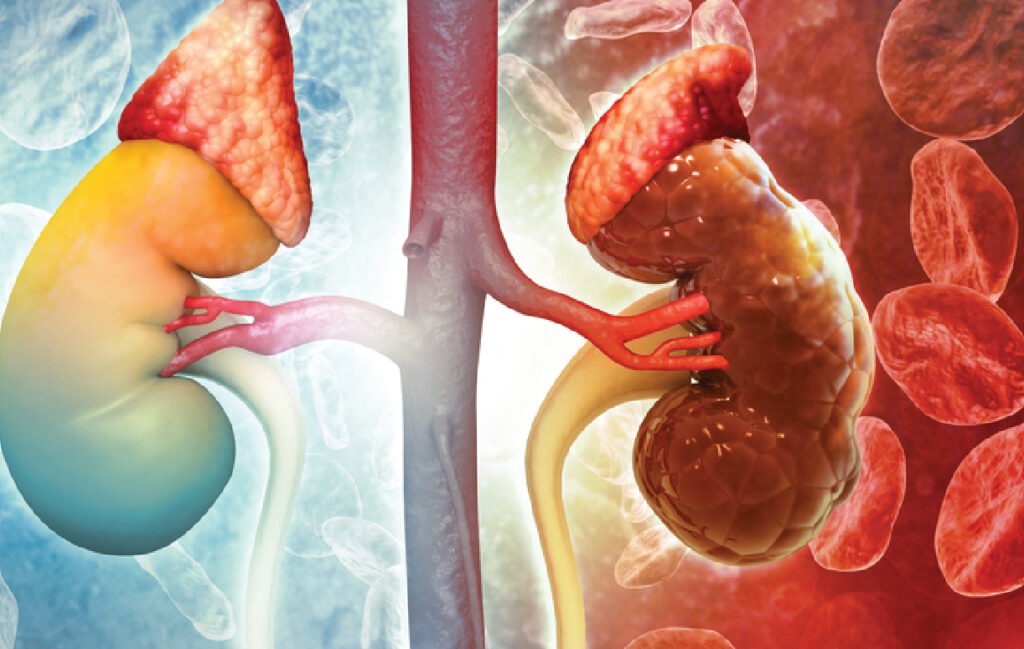
The most common cause is kidney damage or disease, including:
- Chronic kidney disease (CKD): Gradual loss of kidney function over time
- Acute kidney injury (AKI): Sudden damage due to illness, dehydration, or toxins
- Kidney infections or inflammation
2. Dehydration

When the body lacks sufficient fluids, blood flow to the kidneys decreases, reducing their ability to filter waste effectively. This can cause a temporary spike in creatinine levels.
3. High Protein Intake

A diet rich in protein, especially from red meat, can increase creatinine production. This doesn’t always indicate kidney disease but may elevate levels temporarily.
4. Intense Exercise

Strenuous physical activity can lead to muscle breakdown, increasing creatinine production in the body.
5. Medications

Certain drugs can affect kidney function or creatinine levels, such as:
- Antibiotics
- Nonsteroidal anti-inflammatory drugs (NSAIDs)
- Some blood pressure medications
6. Urinary Tract Obstruction
Conditions like kidney stones or an enlarged prostate can block urine flow, leading to a buildup of creatinine in the blood.
7. Underlying Health Conditions
Other medical issues may contribute to high creatinine levels, including:
- Diabetes
- High blood pressure
- Heart disease
Symptoms of High Creatinine Levels
High creatinine itself does not usually cause symptoms. Instead, symptoms are often related to the underlying kidney problem.
Common Symptoms Include:
1. Fatigue and Weakness
When waste products build up in the blood, it can lead to a general feeling of tiredness and low energy
2. Swelling (Edema)
Fluid retention may cause swelling in the:
- Legs
- Ankles
- Feet
- Face
3. Changes in Urination
You may notice:
- Decreased urine output
- Foamy urine
- Dark-colored urine
- Frequent urination, especially at night
4. Shortness of Breath
Fluid buildup in the lungs due to kidney dysfunction can make breathing difficult.
5. Confusion or Difficulty Concentrating
Toxin buildup in the bloodstream can affect brain function, leading to confusion or mental fog.
6. Nausea and Vomiting
Accumulated waste products may irritate the digestive system.
7. Loss of Appetite
People with kidney issues often experience reduced hunger.
8. Muscle Cramps
Electrolyte imbalances caused by poor kidney function can lead to muscle cramps.
When Should You See a Doctor?
You should consult a healthcare professional if you experience:
- Persistent fatigue
- Swelling in the body
- Changes in urination
- Unexplained nausea or vomiting
Routine blood tests can help detect elevated creatinine levels early, even before symptoms appear.
How Is High Creatinine Diagnosed?
Doctors use several tests to evaluate creatinine levels and kidney function:
- Blood creatinine test
- Urine creatinine test
- GFR (glomerular filtration rate)
- Imaging tests like ultrasound or CT scan (if needed)
These tests help determine whether the issue is temporary or related to chronic kidney disease.
How to Lower High Creatinine Levels
Treatment depends on the underlying cause. However, some general strategies include:
1. Stay Hydrated
Drinking enough water helps the kidneys flush out waste effectively.
2. Manage Underlying Conditions
Control conditions like diabetes and high blood pressure to prevent kidney damage.
3. Adjust Your Diet
- Limit excessive protein intake
- Reduce salt consumption
- Avoid processed foods
4. Avoid Overuse of Medications
Use painkillers and other medications cautiously, especially NSAIDs, as they can affect kidney function.
5. Regular Monitoring
If you have kidney issues, regular testing helps track creatinine levels and prevent complications.
Can High Creatinine Be Reversed?
In some cases, high creatinine levels are temporary and reversible, especially if caused by dehydration or medication. However, if the cause is chronic kidney disease, the focus shifts to managing the condition and slowing progression rather than complete reversal.
Final Thoughts
Creatinine is a key marker of kidney health, and elevated levels should never be ignored. While high creatinine doesn’t always indicate a serious problem, it can be an early warning sign of kidney dysfunction or other health issues.












Leave a comment