



Introduction
A nosebleed, medically known as epistaxis, is a common condition that occurs when blood flows from the tissues lining the inside of the nose. While it may seem alarming, most nosebleeds are harmless and can be managed easily at home. However, frequent or severe nosebleeds can sometimes indicate an underlying health issue that requires medical attention.
In this comprehensive guide, we’ll explore the symptoms of nosebleeds, their common causes, risk factors, and when you should consult a doctor.
What Is a Nosebleed (Epistaxis)?
A nosebleed happens when tiny blood vessels (capillaries) inside your nose break and start bleeding. These vessels are delicate and lie close to the surface, making them vulnerable to irritation, dryness, or injury.
There are two main types:
- Anterior nosebleeds – Occur in the front part of the nose (most common and less severe)
- Posterior nosebleeds – Occur deeper inside the nose (less common but more serious)
Symptoms of a Nosebleed
The primary symptom of a nosebleed is obvious bleeding from one or both nostrils. However, there are several additional signs and sensations you may experience.
1. Visible Bleeding from the Nose

This is the most noticeable symptom. Blood may:
- Flow steadily or intermittently
- Come from one nostril or both
- Drip slowly or gush in more severe cases
2. Sensation of Fluid in the Back of the Throat

Sometimes, especially in posterior nosebleeds, blood may flow backward into the throat instead of out through the nose. This can cause:
- A metallic or salty taste
- The urge to swallow frequently
- Coughing or throat irritation
3. Nasal Dryness or Irritation

Before a nosebleed occurs, many people notice:
- Dryness inside the nose
- Itching or irritation
- A burning sensation
This is especially common in dry climates or during winter months.
4. Frequent Sneezing or Nose Picking
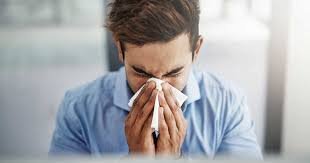
Repeated sneezing or touching the nose can irritate the lining and trigger bleeding. You may notice:
- Increased sensitivity inside the nostrils
- Small scabs forming inside the nose
5. Light headedness or Dizziness (In Severe Cases)

If a nosebleed is heavy or prolonged, you might experience:
- Feeling faint or dizzy
- Weakness
- Rapid heartbeat
This may indicate significant blood loss and requires immediate attention.
6. Blood Clots from the Nose
During or after a nosebleed, you might see:
- Thick, dark clots of blood
- Clotted blood when blowing your nose
This is a natural part of the body’s healing process.
7. Recurrent Nosebleeds
Frequent nosebleeds can be a symptom of an underlying condition such as:
- Chronic allergies
- Nasal infections
- Blood clotting disorders
If nosebleeds happen often, it’s important to investigate the cause.
Common Causes of Nosebleeds
Nosebleeds can occur due to a variety of factors, ranging from environmental conditions to medical issues.
- Drt air
Dry air is one of the most common causes. It:
- Dries out nasal membranes
- Leads to cracking and bleeding
This is especially common in air-conditioned rooms or during winter.
2. Allergies and Sinus Issues
Conditions like allergic rhinitis can:
- Cause inflammation
- Lead to frequent nose rubbing or blowing
- Increase the risk of bleeding
3. Nose Picking or Injury
Trauma to the nose, even minor, can break delicate blood vessels. Causes include:
- Nose picking
- Blowing the nose too hard
- Accidental injury
4. Infections
Upper respiratory infections such as colds can:
- Irritate nasal tissues
- Cause swelling and bleeding
5. Medications
Certain medications can increase bleeding risk, including:
- Blood thinners
- Aspirin
- Nasal sprays (if overused)
6. Recreational Drug Use
Snorting drugs can severely damage nasal tissues and lead to frequent and severe nosebleeds.
7. High Blood Pressure
Although not always a direct cause, high blood pressure can:
- Make bleeding heavier
- Prolong the duration of a nosebleed
8. Structural Problems in the Nose
Conditions like a deviated septum can:
- Disrupt airflow
- Cause dryness and irritation
- Lead to repeated nosebleeds
Risk Factors
Some individuals are more prone to nosebleeds, including:
- Children (due to frequent nose picking)
- Older adults (due to fragile blood vessels)
- People living in dry climates
- Individuals with allergies or sinus problems
When Should You See a Doctor?
While most nosebleeds are harmless, you should seek medical help if:
- Bleeding lasts more than 20 minutes
- Nosebleeds occur frequently
- Bleeding is very heavy
- You feel dizzy or weak
- The nosebleed follows a head injury
Prevention Tips
You can reduce your risk of nosebleeds with simple steps:
- Keep your nasal passages moist using saline sprays
- Use a humidifier in dry environments
- Avoid picking or blowing your nose forcefully
- Stay hydrated
- Manage allergies effectively
Conclusion
Nosebleeds, or epistaxis, are usually not a cause for concern and can be easily managed. Understanding the symptoms and causes helps you take the right steps to prevent and treat them effectively. However, frequent or severe nosebleeds should never be ignored, as they may indicate an underlying health condition.









Leave a comment