



Pneumonia Symptoms: Early Warning Signs, Causes, and When to See a Doctor
Pneumonia is a serious lung infection that affects millions of people worldwide every year. It can range from mild to life-threatening, especially in young children, older adults, and individuals with weakened immune systems. Recognizing pneumonia symptoms early can help prevent complications and ensure timely treatment.
In this comprehensive guide, we will discuss pneumonia symptoms, causes, risk factors, diagnosis, treatment options, and prevention tips.
What Is Pneumonia?
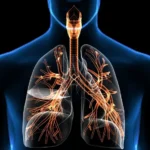
Pneumonia is an infection that inflames the air sacs (alveoli) in one or both lungs. These air sacs may fill with fluid or pus, leading to symptoms such as cough, fever, chills, and difficulty breathing.
Pneumonia can be caused by bacteria, viruses, fungi, or other microorganisms. The severity of the condition depends on the cause, the person’s age, and overall health condition.
Common Pneumonia Symptoms
The symptoms of pneumonia can vary from mild to severe. Some people may mistake early signs for a common cold or flu.
1. Persistent Cough
A cough that produces green, yellow, or bloody mucus is one of the most common pneumonia symptoms. The cough may worsen over time.
2. High Fever
A high fever (often above 101°F or 38.3°C) is common in bacterial pneumonia. Viral pneumonia may cause milder fever.
3. Shortness of Breath
Difficulty breathing or rapid breathing occurs because the lungs are not able to supply enough oxygen to the body.
4. Chest Pain
Sharp or stabbing chest pain that worsens when breathing deeply or coughing is another key symptom.
5. Fatigue and Weakness
Extreme tiredness and weakness can develop as the body fights the infection.
6. Chills and Sweating
Many people experience shaking chills and excessive sweating.
7. Confusion (Especially in Older Adults)
Older adults may experience confusion or sudden changes in mental awareness instead of typical symptoms.
Pneumonia Symptoms in Children
Children may show slightly different symptoms, including:
- Rapid breathing
- Wheezing
- Vomiting
- Lack of appetite
- Low energy
- Bluish lips or fingernails (in severe cases)
Infants may appear restless or unusually quiet. Immediate medical care is needed if breathing becomes difficult.
Causes of Pneumonia
Pneumonia can be caused by several microorganisms:
1. Bacterial Pneumonia
The most common cause is Streptococcus pneumoniae. Bacterial pneumonia can develop on its own or after a cold or flu.
2. Viral Pneumonia
Viruses such as Influenza virus and Respiratory syncytial virus can cause pneumonia, especially in children and older adults.
3. Fungal Pneumonia
Fungi found in soil or bird droppings can cause pneumonia in people with weakened immune systems.
4. Hospital-Acquired Pneumonia
This type occurs during a hospital stay and may be more serious due to antibiotic resistance.
Risk Factors for Pneumonia
Certain individuals are at higher risk of developing pneumonia symptoms:
- Children under 5 years
- Adults over 65 years
- Smokers
- People with chronic diseases (diabetes, heart disease, asthma)
- Individuals with weakened immune systems
- Patients on ventilators
Living in crowded environments or having poor nutrition can also increase risk.
When to See a Doctor
Seek medical help immediately if you experience:
- Persistent high fever
- Severe chest pain
- Difficulty breathing
- Bluish lips or nails
- Confusion or dizziness
Early diagnosis can prevent serious complications such as respiratory failure or bloodstream infections.
Diagnosis of Pneumonia
Doctors diagnose pneumonia through:
- Physical examination (listening to lungs with a stethoscope)
- Chest X-ray
- Blood tests
- Sputum tests
- Pulse oximetry (to measure oxygen levels)
In severe cases, CT scans or pleural fluid tests may be required.
Treatment Options
Treatment depends on the cause and severity of the infection.
1. Antibiotics
Used for bacterial pneumonia. It is important to complete the full course.
2. Antiviral Medications
May be prescribed for viral pneumonia.
3. Antifungal Medications
Used for fungal infections.
4. Supportive Care
- Rest
- Fluids
- Fever reducers
- Oxygen therapy (in severe cases)
Hospitalization may be required for infants, elderly patients, or those with severe breathing problems.
Complications of Pneumonia
If untreated, pneumonia can lead to:
- Pleural effusion (fluid around lungs)
- Lung abscess
- Sepsis
- Respiratory failure
High-risk individuals are more likely to experience complications.
Prevention Tips

Preventing pneumonia is possible with simple measures:
1. Vaccination
Vaccines protect against certain types of pneumonia, including pneumococcal and flu vaccines.
2. Good Hygiene
Wash hands frequently to prevent infection spread.
3. Avoid Smoking
Smoking damages lungs and increases infection risk.
4. Healthy Lifestyle
Maintain a balanced diet, regular exercise, and adequate sleep to boost immunity.
Final Thoughts
Pneumonia symptoms can range from mild cough and fever to severe breathing difficulties. Early recognition of signs such as persistent cough, chest pain, and shortness of breath is essential for timely treatment.
High-risk individuals, including young children, elderly adults, and people with chronic diseases, should be especially cautious. Vaccination, good hygiene, and a healthy lifestyle play a crucial role in prevention.
If you or a loved one experiences serious pneumonia symptoms, seek medical attention immediately. Early treatment can save lives and prevent complications.










Leave a comment