


Common Eye Problems: Causes, Symptoms, Treatment & Prevention Guide
Eyes are one of the most important organs of our body. They allow us to see the world clearly and perform daily tasks with ease. However, due to modern lifestyle habits, screen exposure, pollution, and aging, eye problems are becoming increasingly common. Understanding different types of eye problems, their causes, symptoms, and treatment options can help protect your vision and maintain overall eye health.
In this detailed guide, we will explore the most common eye problems and practical ways to prevent them.
1. Refractive Errors
Refractive errors are among the most common eye problems worldwide. They occur when the shape of the eye prevents light from focusing directly on the retina.
Types of Refractive Errors:
- Myopia (Nearsightedness) – Difficulty seeing distant objects clearly.
- Hyperopia (Farsightedness) – Difficulty seeing nearby objects.
- Astigmatism – Blurred vision due to irregular curvature of the cornea.
- Presbyopia – Age-related difficulty focusing on close objects.
Symptoms:
- Blurry vision
- Headaches
- Eye strain
- Squinting
Treatment:
- Prescription glasses
- Contact lenses
- LASIK surgery
2. Dry Eye Syndrome
Dry eye syndrome occurs when your eyes do not produce enough tears or when tears evaporate too quickly.
Causes:
- Prolonged screen time
- Air conditioning
- Hormonal changes
- Certain medications
Symptoms:
- Burning sensation
- Redness
- Gritty feeling in the eyes
- Blurred vision
Treatment:
- Artificial tears
- Reducing screen time
- Staying hydrated
- Using a humidifier
3. Conjunctivitis (Pink Eye)
Conjunctivitis, commonly known as pink eye, is the inflammation of the conjunctiva — the thin transparent layer covering the white part of the eye.
Causes:
- Viral infections
- Bacterial infections
- Allergies
- Irritants like smoke or dust
Symptoms:
- Redness
- Itching
- Watery discharge
- Sticky eyelids
Treatment:
- Antibiotic eye drops (for bacterial infection)
- Cold compress
- Avoid touching or rubbing eyes
Pink eye is contagious in viral and bacterial cases, so maintaining hygiene is very important.
4. Cataracts
A cataract is the clouding of the eye’s natural lens. It usually develops slowly and is common in older adults.
Symptoms:
- Blurry or cloudy vision
- Sensitivity to light
- Difficulty seeing at night
- Faded colors
Risk Factors:
- Aging
- Diabetes
- Smoking
- Excessive UV exposure
Treatment:
Cataract surgery is the most effective treatment. During surgery, the cloudy lens is replaced with an artificial lens.
5. Glaucoma
Glaucoma is a serious eye condition that damages the optic nerve, often due to high eye pressure. If untreated, it can lead to permanent blindness.
Symptoms:
- Gradual loss of peripheral vision
- Eye pain (in acute cases)
- Halos around lights
- Nausea (rare severe cases)
Prevention:
- Regular eye check-ups
- Monitoring eye pressure
- Early treatment with eye drops or surgery
Early detection is key to preventing vision loss.
6. Digital Eye Strain
Digital eye strain is becoming more common due to increased use of computers, smartphones, and tablets.
Symptoms:
- Dry eyes
- Blurred vision
- Headaches
- Neck and shoulder pain
Prevention Tips:
- Follow the 20-20-20 rule (Every 20 minutes, look at something 20 feet away for 20 seconds)
- Adjust screen brightness
- Maintain proper posture
- Use anti-glare glasses
7. Diabetic Retinopathy
Diabetic retinopathy is a complication of diabetes that affects the blood vessels in the retina.
Symptoms:
- Floaters
- Blurred vision
- Dark areas in vision
- Vision loss
Prevention:
- Control blood sugar levels
- Regular eye exams
- Healthy lifestyle
People with diabetes should have annual eye check-ups.
Common Causes of Eye Problems
- Excessive screen time
- Poor nutrition
- Lack of sleep
- Smoking
- Chronic diseases like diabetes and hypertension
- Aging
How to Maintain Healthy Eyes
Maintaining good eye health is essential to prevent serious problems.
1. Eat a Balanced Diet
Include foods rich in:
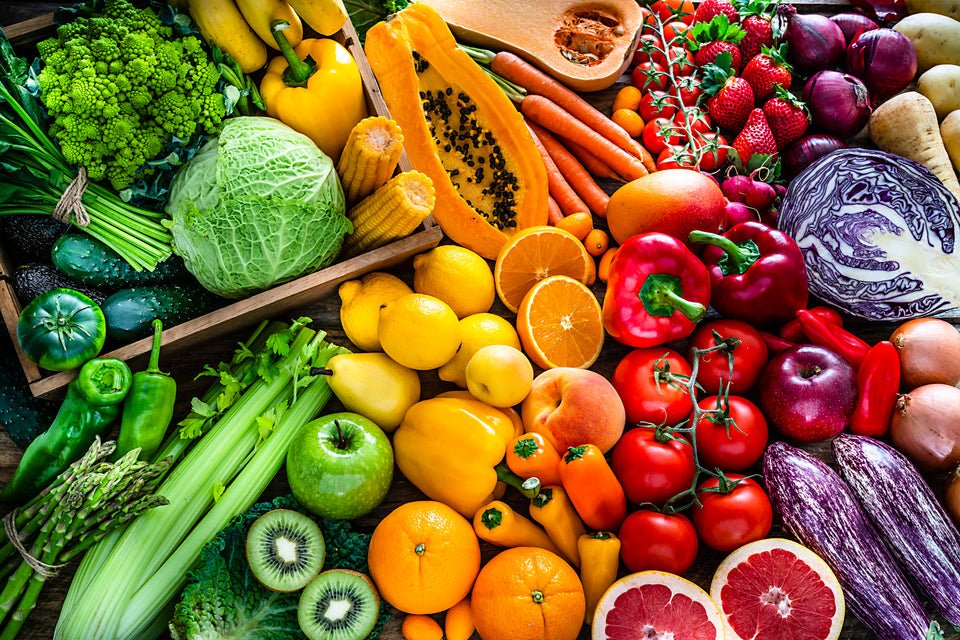
- Vitamin A (carrots, spinach)
- Vitamin C (oranges)
- Omega-3 fatty acids (fish, flaxseeds)
2. Protect Your Eyes
- Wear sunglasses with UV protection
- Use protective eyewear during sports or hazardous work
3. Limit Screen Time
Take frequent breaks and blink regularly to prevent dryness.
4. Stay Hydrated
Drinking enough water helps maintain tear production.
5. Get Regular Eye Check-ups
Early detection of eye problems can prevent permanent damage.
When to See a Doctor
Seek immediate medical attention if you experience:
- Sudden vision loss
- Severe eye pain
- Flashes of light
- Double vision
- Injury to the eye
Ignoring these symptoms can lead to serious complications.
Conclusion
Eye problems can affect people of all ages. While some conditions like refractive errors are easily corrected, others like glaucoma and diabetic retinopathy require early diagnosis and careful management. With healthy lifestyle habits, regular eye exams, and proper care, you can protect your vision for years to come.








Leave a comment