



Liver Problems: Causes, Symptoms, Treatment & Prevention
The liver is one of the most important organs in the human body. It plays a key role in digestion, detoxification, metabolism, and nutrient storage. When the liver does not function properly, it can lead to serious health complications. Liver problems are becoming increasingly common due to unhealthy lifestyles, alcohol consumption, obesity, and viral infections.
In this comprehensive guide, we will explore liver problems, their causes, symptoms, treatment options, and prevention strategies to help you maintain optimal liver health.
What Is the Liver and Why Is It Important?
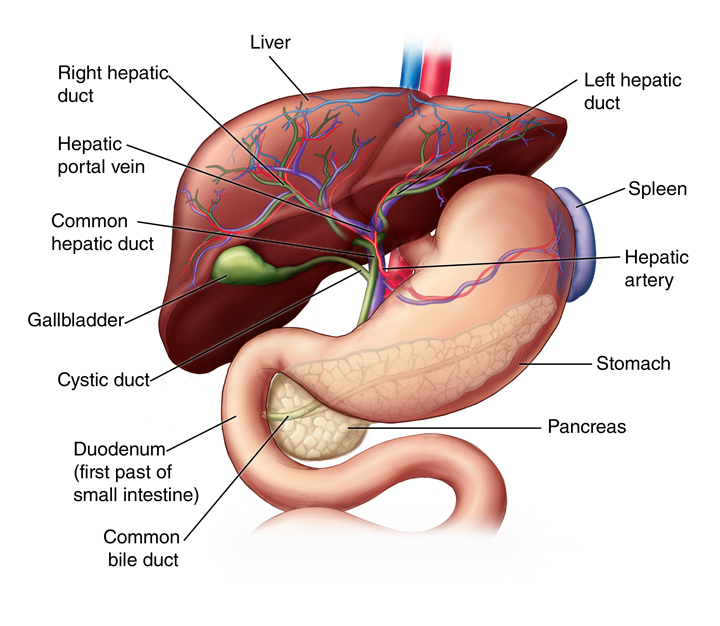
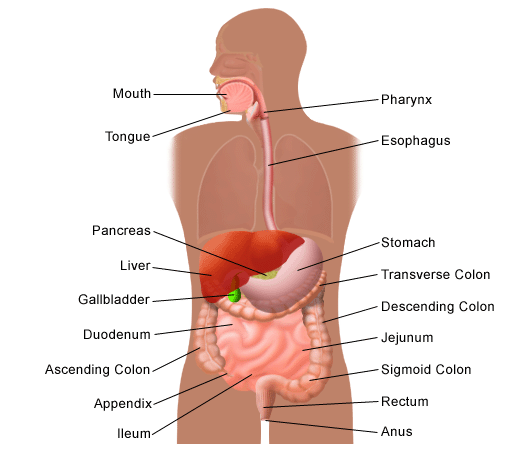
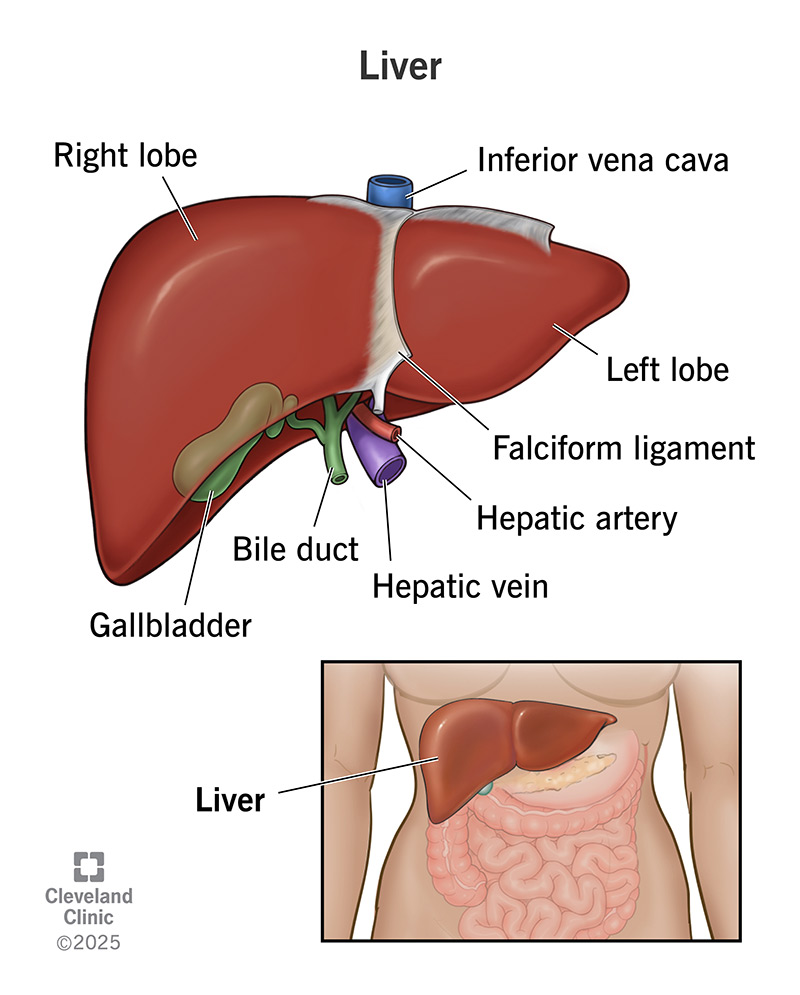

The liver is a large organ located in the upper right side of your abdomen. It performs over 500 vital functions in the body, including:
- Filtering toxins from the blood
- Producing bile to help digest fats
- Storing vitamins and minerals
- Regulating blood sugar levels
- Supporting immune function
Because of its crucial role, even minor liver problems can affect overall health.
Common Types of Liver Problems
Several conditions can affect the liver. Some of the most common liver diseases include:
1. Fatty Liver Disease
Fatty liver occurs when excess fat builds up in liver cells. It is often linked to obesity, diabetes, and poor diet. Non-alcoholic fatty liver disease (NAFLD) is now one of the leading liver disorders worldwide.
2. Hepatitis
Hepatitis refers to inflammation of the liver. The most common types are:
- Hepatitis A
- Hepatitis B
- Hepatitis C
These infections can spread through contaminated food, blood, or bodily fluids.
3. Cirrhosis
Cirrhosis is a serious condition where healthy liver tissue is replaced with scar tissue. It often develops due to long-term alcohol abuse or chronic hepatitis infection.
4. Liver Cancer
Liver cancer may develop due to untreated liver disease. Early detection is crucial for better treatment outcomes.
Symptoms of Liver Problems
Liver disease symptoms may not appear in early stages. However, as the condition worsens, common signs include:
- Fatigue and weakness
- Loss of appetite
- Nausea and vomiting
- Yellowing of skin and eyes (jaundice)
- Abdominal pain (upper right side)
- Swelling in legs and abdomen
- Dark urine
- Pale stool
If you notice these symptoms, consult a healthcare professional immediately.
Causes of Liver Problems
Liver disorders can develop due to multiple factors:
1. Excessive Alcohol Consumption
Drinking too much alcohol damages liver cells and leads to inflammation and scarring.
2. Obesity and Poor Diet
High intake of junk food, sugar, and unhealthy fats increases the risk of fatty liver disease.
3. Viral Infections
Viruses such as hepatitis can attack liver cells and cause chronic inflammation.
4. Genetic Disorders
Some inherited conditions affect liver function.
5. Certain Medications
Long-term use of specific medicines can harm the liver.
Diagnosis of Liver Disease
Doctors may recommend the following tests:
- Blood tests (Liver Function Test – LFT)
- Ultrasound
- CT scan or MRI
- Liver biopsy
Early diagnosis helps prevent complications and improves treatment success.
Treatment Options for Liver Problems
Treatment depends on the type and severity of liver disease.
1. Lifestyle Changes
- Avoid alcohol completely
- Maintain healthy body weight
- Eat a balanced diet
- Exercise regularly
2. Medications
Doctors may prescribe antiviral drugs for hepatitis or medications to reduce inflammation.
3. Surgery or Liver Transplant
In severe cases like advanced cirrhosis or liver failure, a liver transplant may be necessary.
Best Foods for Liver Health

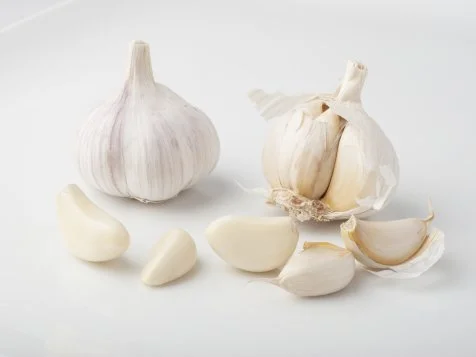

Eating liver-friendly foods can support recovery and prevent damage. Include:
- Leafy green vegetables
- Garlic
- Turmeric
- Green tea
- Lemon water
- Fruits rich in antioxidants
Avoid processed food, sugary drinks, and excessive fried items.
How to Prevent Liver Problems
Prevention is always better than cure. Follow these simple tips:
- Limit alcohol consumption
- Maintain a healthy weight
- Get vaccinated for hepatitis
- Practice safe hygiene
- Exercise daily
- Stay hydrated
- Avoid self-medication
Regular health check-ups can also detect liver issues early.
When to See a Doctor
Seek medical help if you experience:
- Persistent abdominal pain
- Severe fatigue
- Yellowing of skin
- Sudden weight loss
- Swelling in abdomen
Ignoring liver symptoms can lead to life-threatening complications.
Conclusion
Liver problems can significantly impact overall health if left untreated. Conditions like fatty liver disease, hepatitis, and cirrhosis are increasingly common due to lifestyle changes. However, with early diagnosis, proper medical treatment, and healthy lifestyle habits, liver diseases can often be managed or even reversed in early stages.
Taking care of your liver is essential for long-term health. Follow a balanced diet, avoid alcohol abuse, exercise regularly, and get routine medical check-ups to ensure your liver stays healthy and strong.











Leave a comment