


Headaches and Migraine: Causes, Symptoms, Treatment & Natural Relief Guide
Headaches and migraine are among the most common health problems affecting people of all ages. While many individuals experience occasional headaches, migraines can be more severe, recurring, and disruptive to daily life. Understanding the difference between headaches and migraine, their causes, symptoms, and effective treatments can help you manage them better and improve your quality of life.
In this comprehensive guide, we will explore everything you need to know about headaches and migraine, including natural remedies and prevention strategies.
What Is a Headache?
A headache refers to pain or discomfort in the head, scalp, or neck area. It can vary in intensity from mild to severe and may last from a few minutes to several hours.
Common Types of Headaches
1. Tension Headache
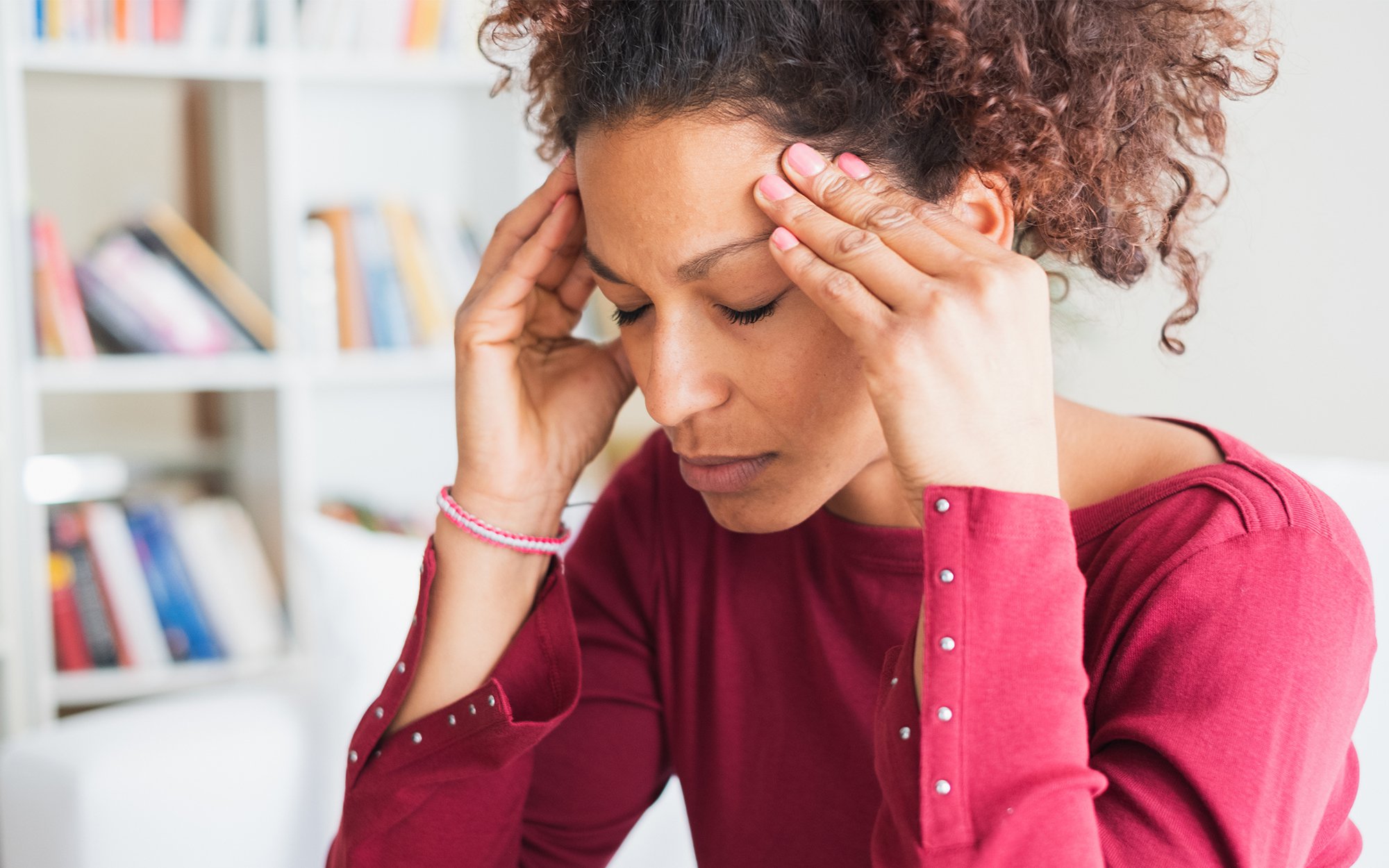

Tension headaches are the most common type. They usually feel like a tight band around the head and are often caused by stress, anxiety, or muscle strain.
Symptoms:
- Dull, aching head pain
- Pressure across the forehead
- Tenderness in scalp or neck
2. Cluster Headache
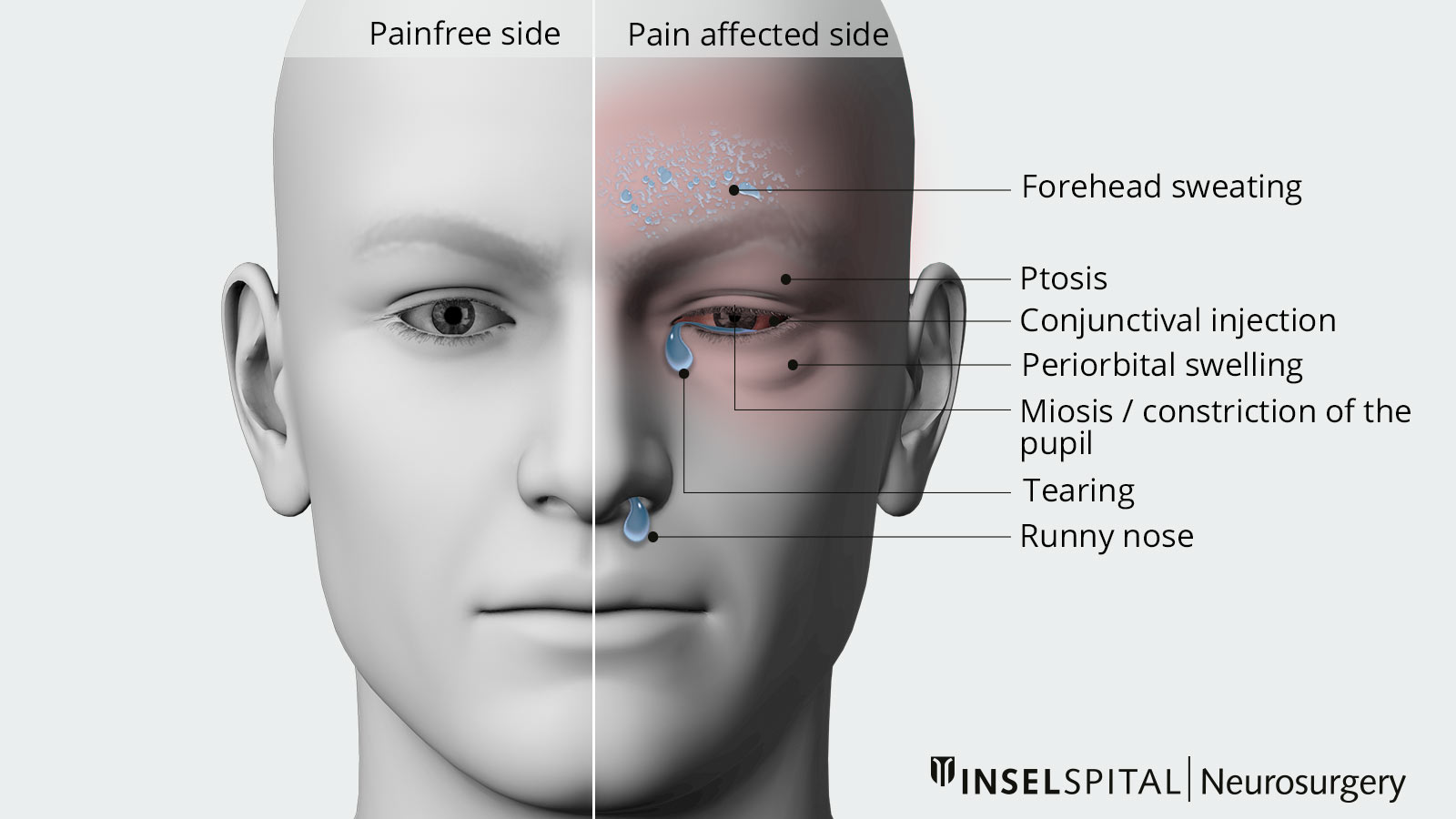
Cluster headaches are extremely painful and occur in cycles or clusters. The pain is usually concentrated around one eye.
Symptoms:
- Severe burning or piercing pain
- Red or watery eyes
- Nasal congestion
- Restlessness
What Is a Migraine?



A migraine is a neurological condition that causes intense, throbbing pain, usually on one side of the head. Migraines are often accompanied by other symptoms such as nausea, vomiting, and sensitivity to light and sound.
Unlike regular headaches, migraines can last for hours or even days and significantly interfere with daily activities.
Symptoms of Migraine
- Throbbing or pulsating head pain
- Nausea and vomiting
- Sensitivity to light (photophobia)
- Sensitivity to sound (phonophobia)
- Visual disturbances (aura)
What Is Migraine Aura?
Some people experience warning signs before a migraine attack, known as aura. This may include flashing lights, blind spots, or tingling sensations in the face or hands.
Causes of Headaches and Migraine
Several factors can trigger headaches and migraines. Understanding these triggers is essential for prevention.
Common Causes Include:
- Stress and Anxiety – Emotional stress is a major trigger.
- Lack of Sleep – Irregular sleep patterns can increase risk.
- Dehydration – Not drinking enough water can lead to headaches.
- Hormonal Changes – Common in women during menstruation or pregnancy.
- Dietary Triggers – Caffeine, processed foods, and alcohol.
- Screen Time – Excessive mobile or computer usage.
- Environmental Factors – Bright lights, loud sounds, strong smells.
Difference Between Headache and Migraine
| Feature | Headache | Migraine |
|---|---|---|
| Pain Type | Dull or pressure-like | Throbbing, pulsating |
| Location | Both sides of head | Often one side |
| Severity | Mild to moderate | Moderate to severe |
| Duration | Few hours | 4–72 hours |
| Other Symptoms | Rare | Nausea, light sensitivity |
Understanding this difference helps in choosing the right treatment.
Diagnosis of Migraine and Headaches
Doctors diagnose migraines based on medical history and symptoms. In severe cases, imaging tests like MRI or CT scans may be recommended to rule out other conditions.
If headaches occur frequently or worsen over time, it is important to consult a healthcare professional.
Treatment Options
1. Medications
- Pain relievers (Paracetamol, Ibuprofen)
- Triptans (for migraine-specific relief)
- Preventive medications (for chronic migraine)
Always consult a doctor before taking medications regularly.
2. Natural Remedies for Headaches and Migraine

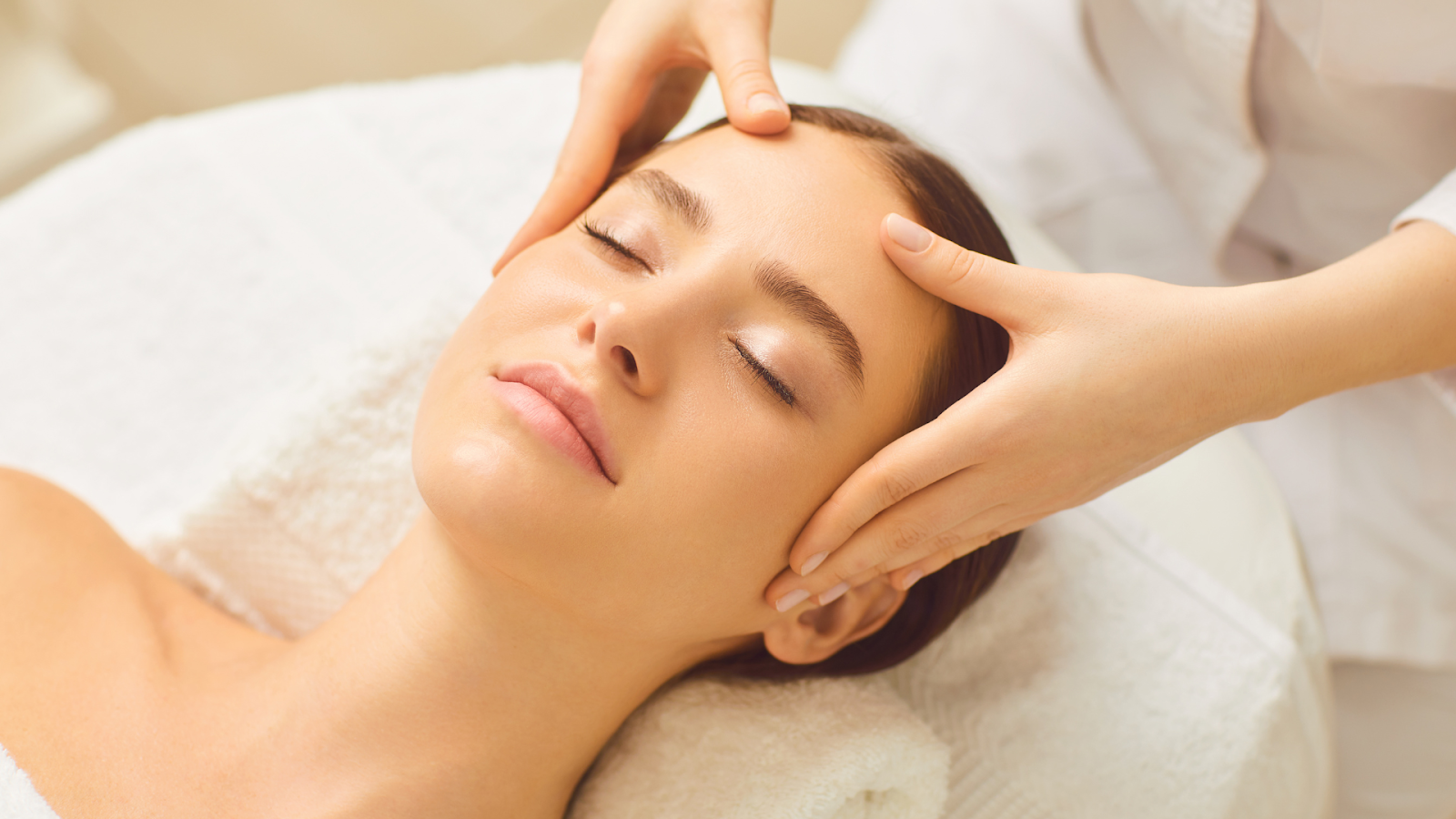

Many people prefer natural methods to reduce headache frequency.
Effective Natural Remedies:
- Stay hydrated
- Practice meditation and yoga
- Apply cold compress on forehead
- Get proper sleep
- Reduce screen time
- Drink herbal teas (peppermint or ginger)
Lifestyle Changes to Prevent Migraine
Prevention is better than cure. Here are some effective lifestyle habits:
- Maintain a consistent sleep schedule
- Eat balanced meals regularly
- Exercise 3–4 times per week
- Manage stress with relaxation techniques
- Avoid known food triggers
- Limit caffeine intake
Keeping a headache diary can also help identify triggers.
When to See a Doctor
Seek immediate medical attention if:
- Headache is sudden and severe
- Accompanied by confusion or fainting
- Occurs after head injury
- Causes vision or speech problems
These could be signs of serious underlying conditions.
Impact of Migraine on Daily Life
Chronic migraine can affect productivity, relationships, and mental health. Many sufferers experience anxiety and depression due to frequent attacks. Early diagnosis and proper management can significantly improve quality of life.
Conclusion
Headaches and migraine are common but manageable conditions. While tension headaches are usually mild and stress-related, migraines are more severe neurological disorders that require proper care. Identifying triggers, adopting healthy lifestyle habits, and using appropriate treatment options can help reduce frequency and intensity.
If headaches persist or become severe, consult a healthcare professional for proper evaluation. With the right approach, you can take control of headaches and migraine and live a healthier, pain-free life













Leave a comment